A Budget Device That Still Feels Relevant in a Changing Mobile Landscape
The OPPO Realme 3 launched as an entry-level smartphone designed to deliver solid everyday performance without a high price tag. Even as 2026 pushes the UK mobile market toward AI-driven devices, foldables, and ultra-fast charging ecosystems, older models like the Realme 3 still appear in conversations about reliable backup phones and secondary devices.
What keeps it relevant is not cutting-edge hardware, but its balance between usability and simplicity. In an era where users increasingly complain about battery anxiety from heavy social media use and constant streaming, this device often resurfaces in discussions about long-term phone ownership and sustainable usage habits.
Design and Visual Identity: Simple but Functional
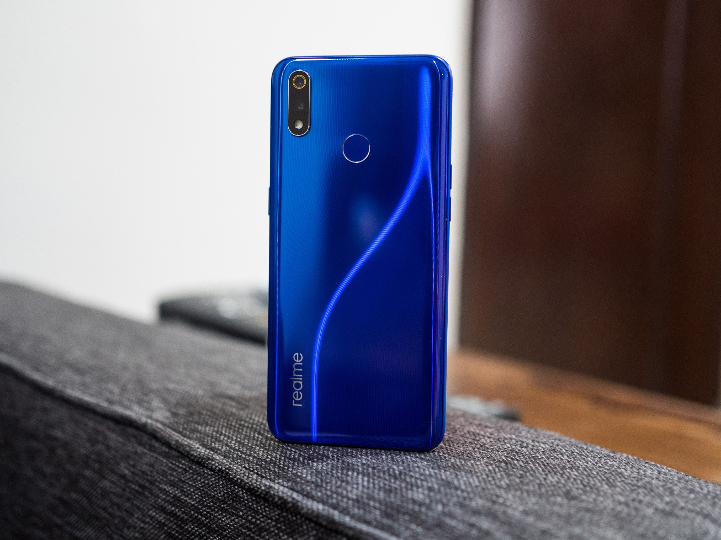
The OPPO Realme 3 adopts a curved polycarbonate body with a gradient-style finish that was popular during its release period. While modern smartphones in the UK market now focus on ultra-thin bezels and glass-metal builds, the Realme 3 maintains a practical grip-friendly structure that still feels comfortable in daily use.
Its waterdrop notch display reflects an earlier phase of smartphone design, yet it still provides a clean viewing experience for basic browsing, messaging, and video consumption. Compared to today’s AI-enhanced display tuning and high refresh-rate panels, it stands as a reminder of how quickly mobile design language evolves.
Performance and Everyday Use in a High-Demand Digital Era
Powered by a MediaTek Helio P60 chipset, the Realme 3 was built for essential tasks rather than heavy gaming or advanced multitasking. However, in today’s environment where lightweight apps and cloud-based services dominate, this level of performance still supports basic communication, streaming, and social media scrolling.
With rising attention in the UK tech space around affordable devices for students and secondary users, phones like this continue to be discussed in relation to cost-effective digital access. While it cannot compete with newer AI-integrated processors, it remains usable for simplified daily workflows.
Smart Features and Software Experience
The device runs ColorOS based on Android, offering features such as gesture navigation, app cloning, and basic system optimization tools. These functions reflect an early wave of smartphone intelligence before today’s AI-assisted operating systems became mainstream.
As modern Android versions now emphasize predictive text, adaptive battery systems, and cross-device syncing, older models like the Realme 3 highlight how software intelligence has shifted from manual customization to automated personalization.
In this context, users often explore topics like how to extend smartphone battery life and replacement options for older android phones, especially as software updates gradually increase power demands over time.
Battery Experience and Long-Term Usability
Battery performance remains one of the most discussed aspects of older smartphones in today’s market. With heavy app usage becoming the norm across Europe’s mobile users—especially short-video platforms and streaming services—battery health has become a central concern even for entry-level devices.
Many users researching older Realme models often look into realme 3 battery replacement guide for long lasting daily use as part of maintaining consistent device performance without switching to a completely new phone.
At the same time, the broader budget smartphone segment continues to generate interest in affordable phone battery replacement options for budget realme devices, reflecting how consumers are prioritizing longevity and cost efficiency over frequent upgrades.
These discussions align with a wider technology trend where sustainability and device lifespan are becoming just as important as raw performance.
A Snapshot of a Simpler Smartphone Era
The OPPO Realme 3 may no longer compete with today’s AI-powered flagship devices, but it still holds value as a functional and approachable smartphone. In a market driven by rapid innovation, it represents a stage where usability and affordability defined success more than advanced intelligence systems.
As the UK mobile landscape continues to evolve toward smarter ecosystems and higher energy demands, devices like the Realme 3 remain part of the conversation—especially when users reflect on battery longevity, everyday practicality, and the real cost of staying connected.