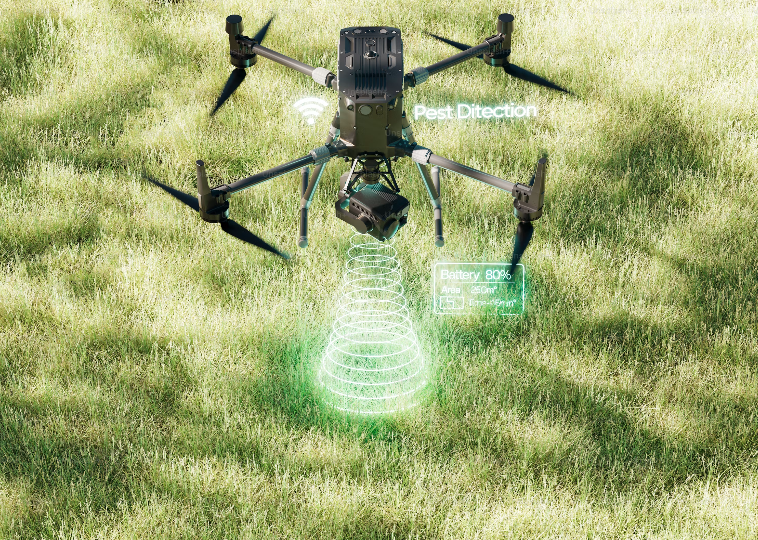
The Growing Role of Drones in the UK’s Technology Landscape
Drones are rapidly moving beyond their traditional image as photography tools or recreational gadgets. In the United Kingdom, unmanned aerial technology is becoming an important part of discussions about infrastructure, public services, security, and industrial innovation. From monitoring railway networks to supporting emergency services, drones are creating new possibilities for how Britain manages its physical environment.
The UK government has been placing increasing attention on drone development and autonomous systems. Recent investment plans have highlighted the importance of drone technology for defence, industry, and future innovation, with billions of pounds being directed toward advanced unmanned systems. At the same time, regulators are exploring ways to support safe commercial drone operations, including wider use of drones beyond the pilot’s direct line of sight.
As drone applications expand, one key challenge remains at the centre of this technological transformation: energy efficiency. Whether drones are inspecting power lines, delivering medical supplies, or supporting construction projects, their performance depends heavily on reliable energy solutions. This is why the development of advanced drone battery technology is becoming increasingly important for the future of aerial innovation in Britain.
How Drones Could Transform British Infrastructure
The UK has a vast and complex infrastructure network, including railways, bridges, energy systems, roads, and telecommunications facilities. Maintaining these systems traditionally requires significant manpower, time, and financial investment. Drones offer a new approach by allowing companies and public organisations to collect information faster and more safely.
For example, drones equipped with high-resolution cameras and artificial intelligence systems can inspect bridges for structural problems without requiring workers to operate in dangerous conditions. Railway operators can use drones to monitor tracks and surrounding areas, while energy companies can inspect wind turbines and power networks more efficiently.
In rural areas of Britain, drones could also help overcome geographical challenges. Remote communities often face difficulties accessing healthcare, transportation, and essential services. Delivery drones may eventually provide faster solutions for transporting medical equipment, emergency supplies, and important goods.
However, these ambitious applications require drones that can operate for longer periods and carry advanced equipment. Longer flight times, improved stability, and stronger performance all depend on improvements in battery technology.
Why Battery Innovation Is Critical for the Drone Industry
A drone’s capabilities are closely connected to its energy source. A powerful drone with advanced sensors and intelligent software cannot perform effectively if its battery capacity is limited. This makes energy storage one of the most important areas of research in the drone sector.
Modern drone operators are looking for batteries that can provide longer operating times, faster charging, improved safety, and better performance in challenging weather conditions. The UK’s changing climate, including cold winters and unpredictable weather, creates additional demands for reliable drone power systems.
The next generation of drone battery solutions could help businesses operate fleets of drones more efficiently. Instead of frequently replacing or recharging batteries, operators may be able to complete larger missions with fewer interruptions. This could reduce operating costs and make drone services more practical across different industries.
Battery improvements could also support smaller companies entering the drone market. When energy technology becomes more efficient and affordable, startups and local businesses can explore innovative drone applications without facing extremely high operational expenses.
Drones and the Future of Emergency Services in the UK
Emergency response is one of the areas where drone technology has significant potential. During floods, storms, or other natural disasters, drones can provide rapid aerial information when traditional access routes are blocked.
Fire services can use drones to assess dangerous areas before sending personnel into risky environments. Search and rescue teams can use thermal imaging drones to locate missing people in forests, mountains, or coastal regions. Police forces can also benefit from aerial monitoring capabilities during major events or emergencies.
For these missions, reliability is essential. A drone used in an emergency situation cannot simply stop operating because its energy supply is insufficient. Advanced drone battery systems can provide the endurance needed for longer searches and more demanding operations.
As artificial intelligence becomes more integrated into emergency drones, energy requirements will continue to increase. AI-powered cameras, navigation systems, and real-time communication technologies all require stable power sources. Battery innovation will therefore play a major role in determining how effective future emergency drone networks can become.
The Rise of Commercial Drone Services Across Britain
Beyond public services, commercial drone applications are also expanding. Businesses in agriculture, construction, logistics, and environmental monitoring are exploring ways to use drones to improve productivity.
In agriculture, farmers can use drones to monitor crop health, identify water problems, and manage resources more precisely. This is particularly valuable in Britain, where sustainable farming and environmental protection are becoming increasingly important topics.
In construction, drones can create detailed site surveys, track project progress, and improve workplace safety. They can collect accurate data in minutes, reducing the need for manual inspections.
The logistics industry is another area attracting attention. Drone delivery services could eventually support faster transportation of smaller packages, especially in areas where traditional delivery methods are slower or more expensive.
The expansion of these industries depends on reliable drone performance. Businesses need technology that can work consistently, which means improvements in battery durability and energy efficiency will remain a priority.
Balancing Innovation and Safety in UK Drone Development
While drones offer many benefits, their rapid growth also creates challenges. Safety, privacy, cybersecurity, and airspace management are becoming increasingly important concerns. The UK has been working on regulatory approaches to ensure drones can develop while maintaining public safety.
One major issue is ensuring that drone systems are secure from cyber threats. As drones become more connected through mobile networks and cloud platforms, protecting communication systems becomes essential. Recent international discussions around drone security have shown that hardware components and supply chains require careful management.
Another challenge is managing the increasing number of drones operating in shared airspace. Future drone networks may require advanced tracking systems, automated traffic management, and stronger identification technologies.
These developments show that the future of drones is not only about creating better flying machines. It is about building a complete ecosystem that combines hardware, software, regulations, and energy solutions.
Could Drones Become a Key Part of Britain’s Smart Future?
The idea of drones becoming essential infrastructure may have seemed unrealistic a decade ago, but technological progress is changing that perception. Similar to how smartphones transformed communication and electric vehicles changed transportation, drones could reshape how Britain manages services and industries.
From inspecting critical infrastructure to supporting emergency response, drones can provide faster, safer, and more efficient solutions. Their ability to operate in difficult environments gives them advantages that traditional methods cannot always match.
However, the success of this transformation will depend on solving practical challenges. Battery performance, safety standards, and public acceptance will determine how quickly drone technology becomes part of everyday life.
The future of British infrastructure may not only exist on roads, railways, and buildings. It may also include intelligent machines operating above cities and countryside. As innovation continues, the humble power system inside each drone could become one of the most important technologies shaping this aerial future.
Conclusion: Building the Next Generation of UK Drone Technology
Drones are becoming an important symbol of Britain’s technology ambitions. They represent a combination of artificial intelligence, automation, advanced engineering, and digital connectivity. As industries continue exploring new applications, demand for more efficient energy solutions will continue to grow.
The development of better drone battery technology will help unlock longer flight times, wider commercial adoption, and more reliable public services. Whether supporting farmers, engineers, emergency workers, or infrastructure managers, drones could become a valuable part of the UK’s future.
The skies above Britain may soon become a new space for innovation, and the technology powering these flying machines will determine how far that future can go.