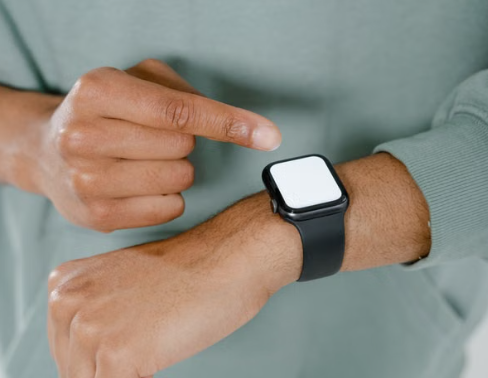
The Rapid Growth of Smart Wearable Technology in the UK
Smart wearable technology has become one of the fastest-growing areas in the UK consumer electronics market. From fitness tracking and health monitoring to contactless payments and smart notifications, wearable devices are no longer considered simple accessories. They have become essential digital companions that help people manage their daily lives more efficiently.
In recent years, smartwatches have gained popularity among British consumers of different age groups. Young professionals use them to track workouts, monitor productivity and stay connected without constantly checking their smartphones. Older users increasingly rely on wearable devices for health-related features such as heart rate monitoring, sleep analysis and emergency alerts.
The rapid development of artificial intelligence is now bringing a new wave of innovation to the smartwatch industry. Modern smartwatches are becoming more intelligent by using AI algorithms to analyse user behaviour, provide personalised recommendations and deliver more accurate health insights. These improvements are changing how people view wearable technology and creating new expectations for future devices.
As smart features become more advanced, battery performance has become a key factor influencing consumer choices. Users want devices that can provide powerful functions while maintaining long-lasting performance. This demand has increased interest in better energy solutions, including improved smart watch battery technology designed to support longer usage and more reliable everyday experiences.
How AI Is Changing the Smartwatch Experience
Artificial intelligence is becoming a major driver behind the evolution of smartwatches in the UK. Traditional wearable devices mainly collected basic information such as steps, calories and heart rate. However, AI-powered smartwatches can now process large amounts of personal data and offer deeper insights into health and lifestyle patterns.
For example, AI systems can identify changes in sleeping habits, detect unusual heart activity and suggest improvements to daily routines. Instead of simply displaying information, smartwatches are becoming proactive assistants that help users make better decisions.
Fitness enthusiasts in the UK are also benefiting from these improvements. AI-powered coaching features can analyse exercise performance and create personalised training suggestions. Whether someone is preparing for a marathon, improving general fitness or starting a healthier lifestyle, smartwatches are becoming valuable training partners.
However, advanced AI features require more computing power, which creates greater pressure on device energy consumption. Manufacturers are focusing on improving battery efficiency through better processors, optimised software and advanced battery designs. A high-quality smart watch battery allows users to enjoy AI functions, health tracking and communication features without constantly worrying about charging.
Health Monitoring Becomes a Major Trend in British Wearables
Healthcare technology is another important area driving smartwatch growth in the UK. Consumers are increasingly interested in devices that can help them understand and manage their health. Smartwatches equipped with advanced sensors can monitor various indicators, including heart rate, blood oxygen levels, stress levels and sleep quality.
The popularity of health-focused wearables has grown as people become more aware of preventive healthcare. Instead of waiting for health problems to appear, many users want tools that help them maintain healthier habits every day.
For elderly users, smartwatches can provide additional safety features. Emergency calling, fall detection and location sharing functions can offer reassurance for both users and their families. These technologies demonstrate how consumer electronics are becoming more closely connected with personal wellbeing.
Battery reliability is especially important for health monitoring devices. A smartwatch that runs out of power at the wrong moment may interrupt important tracking functions. Therefore, manufacturers are investing in energy-efficient components and stronger smart watch battery solutions to ensure continuous operation.
The Challenge of Longer Battery Life and Better Performance
Although smartwatches have become more powerful, battery life remains one of the biggest challenges facing the industry. Consumers expect modern devices to provide advanced features while maintaining convenient charging schedules.
Many smartwatch users in the UK prefer devices that can last several days on a single charge. Frequent charging can reduce convenience, especially for people who use sleep tracking, fitness monitoring or health alerts throughout the day and night.
To address this challenge, technology companies are exploring different approaches. Improvements in battery chemistry, energy management systems and low-power processors are helping extend device lifespan. Some manufacturers are also developing smarter charging technologies that protect battery health and improve long-term performance.
Future smartwatches may combine AI optimisation with advanced power management. For example, artificial intelligence could analyse usage patterns and automatically adjust background functions to save energy. This could help devices provide longer battery life without reducing essential features.
The development of more efficient smart watch battery systems will likely remain a major focus as wearable technology continues to evolve.
Smartwatches and the Future of Connected Living in the UK
The future of smartwatches is closely connected with the broader development of smart living. As homes, vehicles and personal devices become more connected, wearable technology may become the central control point for many digital experiences.
In the future, smartwatches could interact with smart home systems, allowing users to control lighting, security devices and household appliances directly from their wrists. They may also connect more deeply with electric vehicles, providing drivers with information about charging status, navigation and vehicle performance.
The growth of artificial intelligence will further expand these possibilities. Smartwatches may become more personalised by learning individual habits and adapting automatically to users’ needs.
For British consumers, convenience will remain one of the most important reasons for adopting wearable technology. People want devices that save time, improve health awareness and simplify daily tasks. As technology continues to advance, smartwatches are likely to become an even more important part of everyday digital life.
British Consumer Expectations Are Shaping the Next Generation of Wearables
The UK market has always shown strong interest in innovative consumer electronics. British consumers often look for products that combine stylish design, practical functions and reliable performance. This creates strong competition among wearable technology manufacturers.
Modern users are no longer satisfied with basic tracking features. They expect accurate sensors, intelligent software, durable designs and dependable battery performance. These expectations are encouraging companies to improve every part of the smartwatch experience.
Environmental concerns are also influencing the development of wearable devices. Many consumers are paying more attention to product lifespan and energy efficiency. Longer-lasting batteries can reduce electronic waste and make devices more sustainable.
As a result, future smartwatch development will not only focus on adding more features but also improving efficiency and durability. Better materials, smarter software and advanced battery technologies will shape the next generation of wearable products.
Smartwatches are entering a new stage of development in the UK as artificial intelligence transforms wearable technology. From personalised fitness coaching and health monitoring to smart home connections and everyday convenience, these devices are becoming increasingly important digital companions.
The biggest challenge remains balancing advanced features with reliable battery performance. As users demand more powerful functions, the importance of efficient energy solutions continues to grow. Improved smart watch battery technology will play a crucial role in supporting the future of AI-powered wearables.
With continued innovation in artificial intelligence, sensors and energy management, smartwatches are expected to become smarter, more useful and more integrated into daily life. For consumers across the UK, the next generation of wearable devices may offer a future where technology is not only worn on the wrist but becomes a natural part of everyday living.