The Rise of Smart Homes Across the UK
Smart homes are no longer a vision of the distant future. Across the UK, millions of households are adopting connected devices that promise to make everyday life easier, safer and more efficient. From smart speakers that answer questions instantly to intelligent doorbells that monitor visitors, technology has quietly become part of the daily routine for many British families.
However, behind the convenience of these devices lies a growing debate: how much personal information are smart products collecting, and who has control over that data? The question has become increasingly important as connected technology continues to expand into private spaces such as bedrooms, kitchens and living rooms.
Modern smart homes are built around data. Every voice command, movement detection, security alert and automated routine creates information that can help devices provide more personalised services. A smart thermostat learns household habits, a smart television remembers viewing preferences, and a connected security system records activity around a property. While these features improve comfort and security, they also create concerns about privacy and digital safety.
In the UK, regulators and consumers are paying more attention to how companies handle personal information collected by Internet of Things devices. The Information Commissioner’s Office has highlighted that smart devices can process highly sensitive information about people’s lifestyles, routines and family environments, making responsible data management a key issue for the technology industry.
When Convenience Meets Privacy Concerns
For many British consumers, the appeal of smart home technology is undeniable. A connected camera allows homeowners to check their property while travelling. A smart speaker can control lights, play music and provide information within seconds. A connected appliance can automatically adjust settings to save energy.
Yet the same technology that creates convenience can also collect detailed information about personal behaviour. A smart camera does not simply capture images. Depending on the system, it may store video recordings, identify patterns of movement, detect visitors and connect information with cloud platforms.
This raises a simple but important question: when does helpful technology become excessive monitoring?
Privacy experts argue that consumers often do not fully understand what data their devices collect. Many people agree to long privacy policies without knowing how their information will be stored, analysed or shared. Recent discussions in the UK have focused on improving transparency and ensuring that users have meaningful choices over their personal data.
The issue is not only about large technology companies. Even everyday household products can collect unexpected information. Smart televisions, fitness trackers, connected kitchen appliances and home security devices all contribute to a growing digital footprint inside British homes.
Smart Cameras: Security Tool or Privacy Risk?
Among all smart home products, connected cameras have become one of the most debated categories. Many homeowners see them as an essential security solution, especially for protecting properties, monitoring deliveries and keeping an eye on family members or pets.
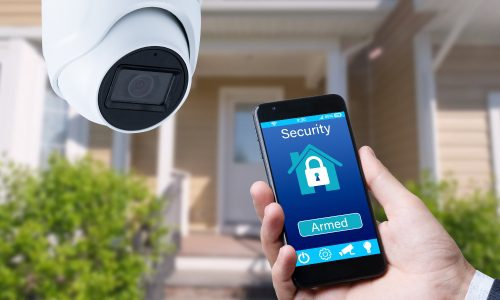
A modern security camera can provide real-time alerts, high-definition video and remote access through a smartphone. For families who want extra protection, these features are extremely valuable. However, the amount of information collected by cameras also creates new privacy challenges.
Unlike traditional cameras, smart cameras are connected to the internet. This means footage may be transferred to external servers, accessed through mobile applications or integrated with artificial intelligence systems. If security measures are weak, personal recordings could become vulnerable to unauthorised access.
For users who depend on home monitoring systems every day, choosing a reliable camera battery is also an important part of maintaining security. A camera with a weak power source may stop recording at critical moments, reducing the effectiveness of the entire security system. Battery performance, charging cycles and device maintenance are becoming important considerations for British consumers investing in wireless smart cameras.
The privacy debate becomes even more complicated when cameras capture people outside the home. Smart doorbells, for example, may record visitors, neighbours or public areas near a property. This has created discussions about the balance between personal security and the privacy rights of others.
The Growing Importance of Data Protection in Smart Devices
As smart technology becomes more advanced, data protection is becoming a central part of product design. British consumers increasingly expect companies to build privacy features into devices from the beginning rather than adding protections later.
The UK’s approach to smart device regulation is moving toward stronger expectations for transparency, security updates and responsible data handling. Regulators have emphasised that manufacturers should clearly explain what information their products collect and give users greater control over how that information is used.
For technology companies, this creates both challenges and opportunities. Businesses must develop products that provide advanced features while respecting consumer privacy. Companies that successfully combine innovation with trust may gain an advantage as buyers become more aware of digital security.
For consumers, understanding device settings is becoming just as important as choosing the right product. Simple actions such as changing default passwords, enabling two-factor authentication and reviewing privacy permissions can significantly improve smart home security.
AI Is Changing the Future of Connected Homes
Artificial intelligence is pushing smart homes into a new era. Traditional smart devices followed simple commands, but AI-powered systems can now analyse patterns, predict user needs and make decisions automatically.
An AI security camera, for example, may distinguish between family members, delivery workers and unusual activity. A smart assistant may learn daily schedules and suggest automated actions. These improvements create a more personalised experience, but they also increase the amount of data being processed.
The combination of AI and connected devices has intensified concerns about surveillance and personal privacy. As smart homes become more intelligent, consumers want reassurance that technology is working for them rather than collecting unnecessary information about them.
Future smart homes will likely depend on a balance between intelligence and privacy. Companies that focus on secure data processing, local storage options and clear user controls may become leaders in the next generation of connected technology.
How British Consumers Can Use Smart Devices More Safely
Owning smart technology does not mean giving up privacy. Instead, consumers can take practical steps to improve security while enjoying the benefits of connected devices.
Before purchasing a smart product, buyers should research what information the device collects and whether the manufacturer provides regular security updates. During installation, users should review permissions carefully and disable unnecessary features.
For wireless security products, maintaining reliable power is also essential. A high-quality camera battery can help ensure that monitoring devices continue operating when needed, especially during power interruptions or extended outdoor use.
Consumers should also regularly update device software, use strong passwords and avoid connecting important home systems to unsecured networks. These simple habits can reduce risks and help create a safer digital environment.
As smart homes become more common throughout the UK, privacy awareness will become an essential part of modern technology ownership. The smartest home is not simply the one with the most connected devices, but the one where technology and privacy exist together.
The Future of Smart Homes in Britain
The smart home revolution is changing the way people live, work and interact with technology. Connected devices offer clear benefits, from improved security to greater convenience and energy efficiency. However, the future success of smart technology depends on whether consumers can trust the systems operating inside their homes.
Privacy will remain one of the biggest challenges facing the smart home industry. Companies must continue improving security, explaining data practices clearly and giving users more control over their information.
For homeowners, the next generation of smart devices will not only need to be powerful and intelligent but also responsible and transparent. The demand for safer technology will influence everything from AI assistants to connected cameras and home automation systems.
Reliable hardware will also remain a key part of this development. Whether protecting a property or supporting daily routines, devices need dependable components to function effectively. A durable camera battery can play a small but important role in ensuring that smart security systems remain active when users need them most.
The connected home of the future will not simply be defined by how much technology it contains. It will be defined by how well that technology respects the people who use it.