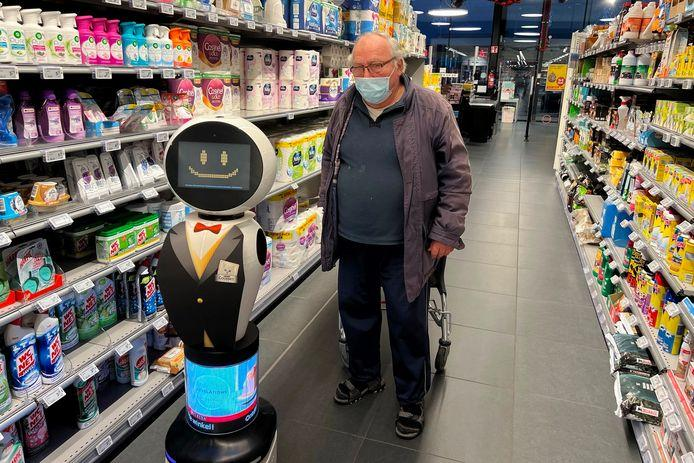
The Future of British Food Shopping Might Have a Robot in the Kitchen
Imagine arriving home after a long day at work, opening the fridge and discovering that your shopping has already been planned. The milk is running low, there are only two eggs left, the cat food is nearly finished, and the ingredients for Sunday’s roast dinner are missing. Instead of checking every cupboard and typing a long list into your phone, you simply ask your home robot to organise the next supermarket trip.
It sounds like a scene from a science-fiction film, but the idea is becoming increasingly realistic. Artificial intelligence, connected household devices and retail automation are changing how people buy food. In the UK, where weekly supermarket trips remain part of everyday life, a robot that remembers shopping habits could become a surprisingly useful household assistant.
The question is no longer simply whether machines can carry groceries. It is whether they can understand what a household needs, remember what people like and help prevent the familiar problem of buying another packet of biscuits while forgetting the bread.
Why British Households Could Welcome a Smarter Shopping Assistant
For many people across Britain, grocery shopping is not one simple task. It involves comparing prices, checking supermarket offers, remembering dietary preferences, planning meals and making sure essential products last until the next shopping trip.
Busy households often have several shopping routines happening simultaneously. Parents may need lunchbox ingredients, students might be trying to stay within a limited budget, and older residents may prefer to avoid carrying heavy bags home. Even people who enjoy visiting supermarkets can find it frustrating to discover that they have forgotten an important ingredient.
A shopping robot could reduce this mental workload by maintaining a continuously updated household list. Rather than waiting for someone to remember that washing-up liquid is almost empty, it could recognise the pattern and suggest adding it to the next order.
The most useful feature would be memory. A conventional shopping app records what users purchase, but a more advanced robot could understand why they purchase it. It might learn that a household usually buys oat milk, prefers certain breakfast cereals and needs extra vegetables before the weekend.
This would make the shopping list feel less like a collection of random products and more like a personalised household plan.
From Smart Trolleys to Robots That Understand Shopping Habits
The UK grocery industry is already experimenting with technology that makes shopping more automated.
In 2026, Morrisons trialled AI-powered Caper smart shopping trolleys at a store in Preston. The trolleys could automatically recognise products placed inside them, weigh fresh produce and display a running total. However, the trial did not become a permanent fixture: Instacart announced in October that it was winding down its Caper Cart operations, and Morrisons’ trial was nearing its planned end. This illustrates both the potential and the commercial challenges of introducing new shopping technology.
Tesco has also been exploring AI in grocery shopping. Its 2026 trial of an AI assistant was designed to help users plan meals, discover personalised recipes and build shopping baskets using previous purchases and preferences. The retailer described the technology as a way to save customers time and reduce the stress associated with meal planning.
Meanwhile, Tesco has tested autonomous shelf-scanning technology. The Tally robot uses cameras and computer vision to identify stock gaps, product placement issues and pricing discrepancies, sending information back to store teams.
These developments are not the same as a domestic robot that independently manages a family’s weekly groceries. Nevertheless, they show that several essential building blocks are already being explored: product recognition, shopping data, automated assistance and intelligent inventory management.
The next step could be bringing these capabilities together in a device that understands the needs of an entire household.
How Could a Robot Remember Everything on the List?
A future grocery robot would probably combine cameras, microphones, sensors and artificial intelligence. It would not need to follow people around the supermarket like a human shopper. Much of its work could happen quietly at home.
For example, a small household robot might connect to a smart fridge and recognise when commonly used ingredients are running low. It could also receive voice instructions throughout the week.
Someone preparing breakfast might say, “Add orange juice to the shopping list.” Later, another family member could ask it to remember ingredients for a birthday cake. The robot would combine both requests without creating duplicate entries.
Its memory could become more sophisticated over time. If a household regularly buys bananas every Monday, the robot might suggest adding them before the next weekly shop. If the family stops purchasing a particular brand, it could learn that preference rather than repeatedly recommending the same product.
A well-designed system would also distinguish between essential and optional purchases. Milk, bread and fresh vegetables might be treated as regular household necessities, while chocolate, crisps and seasonal treats could remain flexible suggestions.
Importantly, the robot should ask before placing an order. Remembering a product does not automatically mean that someone wants to buy it again.
Could It Help Families Spend Less at the Supermarket?
Food prices and household budgets remain important considerations for British shoppers. A robot that remembers previous purchases could help people make more deliberate decisions instead of adding unnecessary products to their baskets.
Imagine a family with a weekly grocery budget of £90. The robot could estimate the cost of the planned shopping list, compare suitable alternatives and warn the family when the expected total is approaching the limit.
It might also notice that several ingredients are already available in the kitchen. If there is half a bag of rice, a tin of tomatoes and some vegetables in the cupboard, the robot could recommend a meal using those items rather than suggesting another expensive supermarket purchase.
This could be particularly useful for reducing food waste. People sometimes buy ingredients for ambitious recipes and then forget about them. A robot with access to household food information could suggest meals based on products that need to be used soon.
For example, if mushrooms are approaching their use-by date, it might recommend a mushroom omelette or pasta dish. If the household has leftover vegetables, it could suggest a soup.
The technology would not need to make every decision. Even a simple reminder about food already sitting in the fridge could make weekly shopping more economical.
The Importance of Batteries in a Household Shopping Robot
A robot that manages grocery lists would need to remain available throughout the day. Unlike a stationary smart speaker, a mobile shopping assistant might move between the kitchen, dining room and storage areas, communicate with connected devices and occasionally travel around the home.
That makes reliable power an important part of its design. A suitable consumer electronics battery could support its cameras, microphones, wireless connections and onboard computing systems. If the robot needs to move independently, its power system would also have to provide enough energy for motors and navigation equipment.
Battery performance would influence how convenient the device feels. Nobody wants a household assistant that stops working halfway through a shopping conversation because it needs to recharge.
Manufacturers could explore automatic charging docks, allowing a robot to return to its station whenever its battery level becomes low. A compact design would also need to balance battery capacity against weight, since a heavy machine could be difficult to move around a small British kitchen.
Another important consideration would be battery lifespan. A shopping assistant might operate every day, receiving frequent voice commands and checking connected appliances. Its power system would therefore need to cope with regular use rather than occasional operation.
For a practical home robot, a dependable consumer electronics battery would be more than a technical component. It would help determine whether the device could become a genuinely useful part of everyday household life.
Could It Understand Different Family Members?
One of the most interesting possibilities is that a shopping robot could remember different preferences for different people.
In a family home, not everyone likes the same food. One person might prefer dairy-free products, another may dislike spicy meals, and children may have particular snacks they expect to find in their lunchboxes.
A future robot could create separate preference profiles while maintaining one shared household shopping list. When someone says, “We need yoghurt,” it might ask which type is required instead of automatically choosing the last product purchased.
It could also remember occasional changes. If a family member is visiting, the robot might add their preferred breakfast ingredients for that week. If someone is preparing a special meal, it could temporarily adjust the shopping plan.
Voice recognition could make these interactions more natural, although the system would need to be careful about mistakes. It should not assume that every voice command comes from the person authorised to approve purchases.
This is particularly important in households with children. A robot should not automatically order every snack requested by a young family member. Parents would need clear controls over spending, product choices and purchasing permissions.
Would It Work With British Supermarkets?
For shopping robots to become genuinely useful in the UK, they would need to connect with the supermarkets people already use.
A robot that creates an excellent shopping list but cannot check product availability or prices would only solve part of the problem. Ideally, it could connect to supermarket apps, online grocery accounts and digital product catalogues.
A household might ask it to compare the cost of a weekly basket across different retailers. It could identify which products are available for collection, which can be delivered and whether suitable alternatives exist when an item is out of stock.
However, supermarket integration could be complicated. Different retailers use different systems, product descriptions and loyalty programmes. Some promotions are available only to members, while prices and stock levels can vary between branches.
A useful shopping assistant would need accurate, frequently updated information. Otherwise, it could recommend a product that is unavailable or calculate a basket total that changes significantly at checkout.
The robot would also need to understand British shopping habits. Many households buy fresh bread, milk and vegetables regularly, while purchasing household essentials in larger quantities. Seasonal events such as Christmas, Easter and summer barbecues could also influence shopping lists.
A genuinely intelligent system would recognise these patterns without assuming that every household follows the same routine.
Privacy Could Be the Biggest Obstacle
A robot that remembers everything about a household’s shopping could also collect a surprisingly detailed picture of people’s lives.
Its shopping history might reveal dietary habits, family size, personal preferences and everyday routines. If connected to a smart fridge or voice assistant, it could potentially collect even more information about when people are at home and what they consume.
This raises an important question: who controls that information?
British consumers would reasonably expect clear explanations about what data is collected, where it is stored and whether it is shared with retailers or other companies. A household should be able to delete old shopping records, turn off unnecessary sensors and decide which family members can access purchasing information.
Security would matter too. If someone gained access to a shopping robot, they might be able to view private household information or place unwanted orders.
Manufacturers would need to build privacy protections into the product from the beginning rather than treating them as optional extras. Local data processing, secure account controls and clear purchasing permissions could help build trust.
A robot that remembers everything should not become a machine that shares everything.
Could Robots Actually Go Shopping for Us?
Remembering a list is one challenge. Physically collecting groceries is another.
A more advanced household robot might eventually be able to travel to a nearby shop, identify products on shelves and carry selected items home. However, supermarkets are complicated environments. A robot would need to navigate narrow aisles, avoid customers, recognise different packaging and handle fragile products.
Fresh produce would be particularly difficult. Choosing ripe avocados, checking whether strawberries are damaged and selecting the right size of potato require judgement that is not always easy to automate.
There are already examples of small autonomous delivery robots operating in British towns and cities. Milton Keynes, for instance, has become closely associated with Starship Technologies’ pavement delivery robots, which transport groceries and other orders over short distances. Their expansion also raises questions about pavement access, pedestrian safety and how autonomous machines should share public spaces.
A domestic shopping robot would face similar challenges if it were expected to leave the house. It would need to operate safely around pedestrians, cyclists, parked cars and unpredictable weather.
For the foreseeable future, the more realistic model may be a robot that prepares the shopping list, checks online availability and helps arrange delivery or collection. That could still save households a considerable amount of time.
The Next Big Thing Might Be a Robot That Knows When the Milk Is Running Out
The most exciting household technologies are not necessarily the ones that perform spectacular tricks. Sometimes, the most valuable innovation is something that quietly removes an everyday frustration.
A grocery robot that remembers shopping preferences, checks household supplies and suggests affordable meals could become a practical companion for busy British families. It might not need human-like hands or the ability to walk through a supermarket. A reliable combination of AI, connected appliances and a well-designed consumer electronics battery could be enough to make it useful.
There would still be challenges involving privacy, cost, supermarket compatibility and the accuracy of its recommendations. Not every household will want a robot monitoring its cupboards, and some people will always prefer writing a list on a piece of paper.
Yet the direction of travel is clear. British retailers are experimenting with smarter shopping systems, while domestic robotics is moving towards more personalised assistance.
Perhaps the future of grocery shopping will not involve a robot pushing a trolley beside us. Instead, it could involve a small assistant in the kitchen that remembers the things we forget, helps us spend more carefully and makes sure that the milk is on the list before breakfast becomes a problem.
And if it can remember the biscuits as well, British households might consider that a particularly impressive achievement.