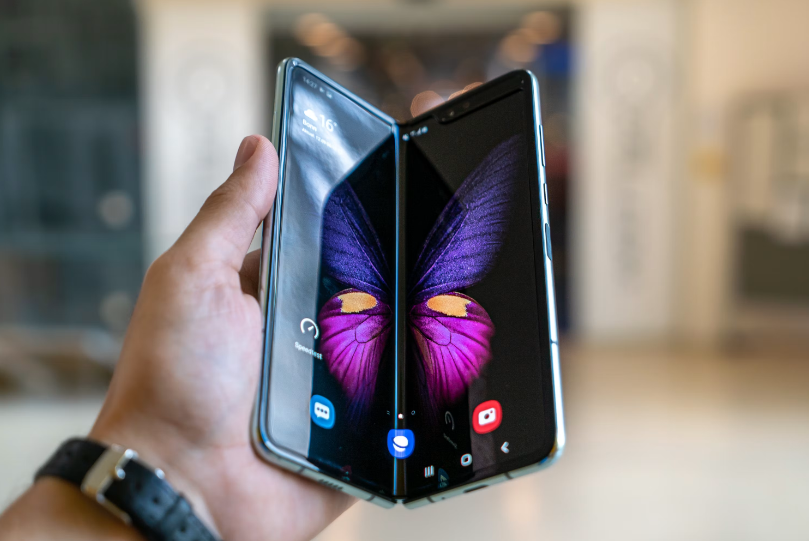
The Growing Popularity of Foldable Phones in the UK Market
Foldable phones have moved from being futuristic concepts to real products that are attracting attention from UK consumers. A few years ago, many people viewed foldable smartphones as experimental devices with high prices and uncertain durability. Today, improvements in flexible displays, hinge technology, software optimisation and overall design have made foldable phones more practical for everyday use.
In the UK, smartphone users are increasingly looking for devices that offer more than traditional upgrades. Instead of choosing a phone only because it has a slightly better camera or a faster processor, consumers are interested in new experiences. Foldable phones provide a unique combination of portability and productivity, allowing users to enjoy a larger screen without carrying a tablet.
The popularity of remote working, digital entertainment and mobile productivity has also influenced consumer expectations. Many UK users now want devices that can support video calls, document editing, gaming and streaming wherever they are. A foldable phone can transform from a compact device into a larger workspace, making it attractive to professionals, students and technology enthusiasts.
As competition increases among smartphone manufacturers, foldable devices are becoming more refined. Better materials, stronger hinges and improved battery performance are helping these phones overcome some of the concerns that limited early adoption.
Why Foldable Phones Are Attracting UK Consumers
One of the biggest reasons foldable phones are gaining interest is their ability to combine two types of devices into one. A traditional smartphone is convenient because it is easy to carry, but its screen size can sometimes feel limited. Tablets offer a better viewing experience but are less convenient for daily travel. Foldable phones attempt to solve this problem by offering flexibility.
For commuters in cities such as London, Manchester and Birmingham, portability is especially important. Many people spend hours travelling by train or underground and rely on their smartphones for work, entertainment and communication. A foldable device can provide a larger display for reading emails, watching videos or managing tasks while still fitting into a pocket or small bag.
Another factor driving interest is the demand for premium technology. UK consumers often follow new trends in consumer electronics and are willing to explore innovative products when they offer meaningful benefits. Foldable phones represent a visible change from traditional smartphone designs and appeal to people who want something different.
However, design innovation is not the only consideration. Battery performance remains a key factor when choosing any smartphone. Because foldable phones often include larger displays and advanced features, users pay close attention to battery capacity and efficiency. A reliable smartphone battery is essential for ensuring that a foldable device can support a full day of work, entertainment and communication without frequent charging.
How Technology Improvements Are Changing Foldable Phones
Early foldable phones faced several challenges, including concerns about screen durability, hinge reliability and software compatibility. Manufacturers have spent recent years improving these areas, creating devices that are thinner, stronger and easier to use.
Modern foldable phones use more advanced flexible display technology, allowing screens to open and close thousands of times while maintaining quality. Improved hinge systems have also reduced the visible gap between folded sections, creating a smoother user experience.
Software development has played an equally important role. Foldable phones require operating systems that can automatically adjust between different screen sizes. Applications now offer better support for multitasking, allowing users to run multiple apps at the same time. For example, a person can watch a video while responding to messages or compare documents side by side.
Camera technology has also improved significantly. Many foldable phones now include high-quality camera systems that compete with traditional flagship smartphones. This is important for UK consumers who use their phones for social media, travel photography and content creation.
At the same time, manufacturers are focusing on improving energy efficiency. Large displays and powerful processors can consume significant amounts of power, making battery technology a crucial part of foldable phone development. Advances in charging technology and battery management systems help users get longer usage times from their devices.
A high-quality smartphone battery allows modern foldable phones to balance performance and convenience. Without strong battery technology, features such as large displays, advanced cameras and artificial intelligence functions would be much less useful in everyday situations.
The Role of Foldable Phones in Work and Entertainment
The changing lifestyle of UK consumers has created new opportunities for foldable smartphones. The modern phone is no longer only a communication tool. It has become a portable office, entertainment centre and personal assistant.
For professionals, foldable phones can improve productivity. A larger internal screen makes it easier to review presentations, edit files and participate in online meetings. Business users who frequently travel may appreciate having a device that offers more screen space without needing to carry additional equipment.
Students can also benefit from foldable technology. Reading digital textbooks, taking notes and researching information become more comfortable on a larger display. Instead of switching between multiple devices, students can complete many tasks using a single smartphone.
Entertainment is another major factor. Streaming services, mobile gaming and social media platforms continue to grow in popularity across the UK. A larger foldable screen can create a more immersive experience when watching films, playing games or browsing content.
However, these activities require dependable power. High-resolution screens and demanding applications can quickly consume energy, which means battery quality directly affects user satisfaction. A durable smartphone battery helps users enjoy longer entertainment sessions and maintain productivity throughout the day.
Challenges That Could Slow Down Foldable Phone Adoption
Although foldable phones are becoming more popular, they still face challenges before becoming the standard smartphone choice for most UK consumers. Price remains one of the biggest barriers. Many foldable models are positioned as premium devices, making them more expensive than traditional smartphones with similar specifications.
For many buyers, affordability is an important consideration. Consumers may hesitate to spend more on a foldable phone if they are unsure whether the additional features justify the cost. As production technology improves and more companies enter the market, prices may gradually become more competitive.
Durability is another concern. While modern foldable phones are much stronger than early versions, some consumers still worry about long-term reliability. The moving parts of foldable designs create additional engineering challenges compared with traditional smartphones.
Battery replacement and maintenance are also topics that users consider carefully. Since foldable phones contain specialised components, consumers want confidence that their devices can remain useful for many years. Better repair options and longer-lasting components could help increase consumer trust.
Environmental awareness is also influencing purchasing decisions in the UK. Many consumers are thinking more about electronic waste and product lifespan. A phone that lasts longer and can be repaired more easily may become more attractive in the future.
Will Foldable Phones Become the Mainstream Choice in the UK
The future of foldable phones in the UK looks promising, but their success will depend on continued improvements in price, durability and user experience. While traditional smartphones are unlikely to disappear soon, foldable models are creating a new category that appeals to users who want more flexibility.
As technology advances, foldable phones may become thinner, lighter and more affordable. Improvements in battery technology, artificial intelligence and display quality will likely make these devices even more practical.
The next generation of foldable phones may include smarter software features, improved energy management and stronger materials. These developments could make foldable devices more attractive to everyday users rather than only technology enthusiasts.
The UK market has always shown interest in innovative consumer electronics, and foldable phones represent one of the most significant design changes in recent smartphone history. Whether they completely replace traditional smartphones remains uncertain, but they are clearly becoming an important part of the future mobile landscape.
For consumers, the decision will ultimately depend on personal needs. Those who value portability, productivity and unique design may find foldable phones increasingly appealing. As manufacturers continue improving performance and reliability, foldable smartphones could gradually move from a premium niche product toward a mainstream choice.
Foldable phones are no longer just a technological experiment. They represent a new direction for mobile devices, combining convenience, creativity and advanced engineering. With continued innovation, they may redefine how people in the UK think about smartphones in the years ahead.