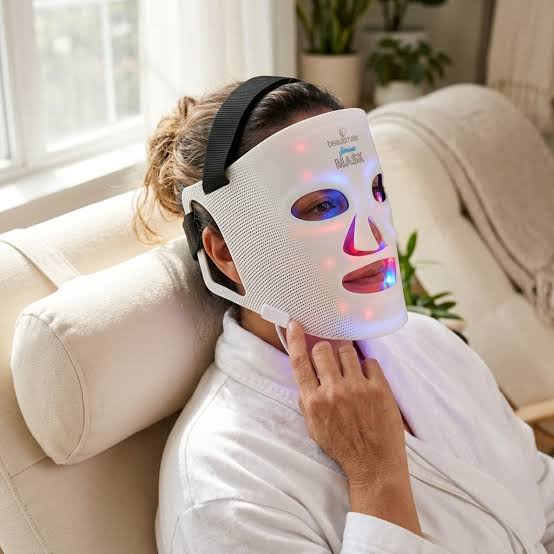
The Futuristic Beauty Gadget Taking Over Skincare Conversations
Imagine finishing a long day, putting on a futuristic-looking mask, pressing a button and allowing tiny lights to illuminate your face for several minutes. It sounds like something from a science-fiction film, but this unusual beauty ritual is becoming increasingly familiar in British homes.
LED face masks have moved from specialist beauty clinics into the world of everyday consumer technology. Once considered an expensive treatment reserved for celebrities and skincare enthusiasts, these glowing devices are now appearing in beauty shops, online marketplaces and social media videos across the UK.
The attraction is easy to understand. Modern consumers are looking for ways to make skincare routines more convenient, particularly when busy schedules make regular salon appointments difficult. Instead of travelling to a clinic, people can use a home LED device while relaxing on the sofa, listening to a podcast or watching their favourite television programme.
The trend is also receiving attention from major retailers. Boots reported strong demand for facial beauty devices in its 2026 beauty trend report, including an impressive launch for its own-brand LED face mask. Meanwhile, British beauty publications are increasingly covering red-light technology as part of the wider conversation about at-home skincare.
But are these glowing masks genuinely useful, or are they simply another example of social media turning an unusual gadget into a must-have purchase?
What Exactly Is an LED Face Mask?
An LED face mask is an electronic skincare device containing multiple light-emitting diodes arranged around the face. When switched on, these tiny lights deliver specific wavelengths of light to the skin.
Unlike traditional facial treatments that rely on creams, scrubs or chemical exfoliation, LED masks use light as their main technology.
Different wavelengths are associated with different skincare applications. Red light is commonly used in devices marketed for improving the appearance of fine lines and supporting healthier-looking skin. Near-infrared light is often combined with red light in premium devices, while blue light is frequently included in products designed for blemish-prone skin.
Some newer masks offer several colour settings, allowing users to select different treatment modes depending on their skincare interests.
However, the number of colours does not automatically determine how effective a device is. The actual wavelength, light intensity, treatment duration and quality of the device all matter.
This is one reason why shoppers should look beyond colourful product photographs when comparing LED masks.
Why Are British Consumers Suddenly Interested?
The growing popularity of LED face masks reflects a wider change in how people approach beauty and personal care.
For years, skincare shopping mainly focused on products such as moisturisers, serums, cleansers and sunscreen. Today, electronic devices are becoming another part of the routine.
The British Beauty Council identified the increasing connection between beauty, wellness and technology as an important development for 2026. Its coverage of industry trends also highlighted the growing interest in at-home beauty devices.
Retail activity supports this shift. Boots reported that sales of its own-brand facial devices increased significantly, with its LED mask selling particularly quickly following its August launch.
Social media has also helped introduce the technology to a much wider audience. TikTok videos showing people wearing glowing masks have made the products instantly recognisable. Some creators demonstrate their evening routines, while others discuss different light settings and compare devices.
The result is a beauty product that is also a conversation starter.
For younger shoppers, LED masks can feel like an exciting combination of skincare and technology. For older consumers, they may offer an appealing way to explore new beauty treatments without making regular appointments.
There is also an element of entertainment. Wearing a futuristic mask at home is certainly more unusual than applying another moisturiser before bed.
Red Light, Blue Light and the Science Behind the Glow
Although LED masks look futuristic, the underlying technology is not entirely new.
Light-based treatments have been studied in medical and dermatological settings for years. Photobiomodulation is the term commonly used to describe the interaction between certain wavelengths of light and biological tissue.
Red and near-infrared wavelengths are particularly associated with research into cellular responses, while blue light has been investigated for its interaction with acne-related bacteria.
This does not mean every home device delivers the same results as professional equipment.
A carefully designed medical or professional device may have different technical specifications from a budget mask sold online. Treatment outcomes also depend on the individual, the condition being targeted and the consistency of use.
For consumers, understanding these differences is essential.
A mask advertising seven different colours might look more impressive than a simpler model, but that does not necessarily mean it performs better.
It is worth checking the manufacturer’s technical information, including the actual wavelengths used, recommended treatment times and relevant safety guidance.
Most importantly, LED masks should be viewed as skincare devices rather than miracle treatments. They cannot replace a sensible skincare routine, and dramatic promises deserve careful scrutiny.
The Brands Making LED Masks Popular in the UK
Several manufacturers have helped turn LED masks into recognisable consumer technology products.
CurrentBody is one of the most visible names in the British market. Its Skin Series 2 LED Light Therapy Mask uses red, near-infrared and deep near-infrared wavelengths. The device is designed for regular home use and has attracted attention from beauty editors and skincare enthusiasts.
Another familiar name is Shark Beauty. Best known for its household appliances, Shark has expanded into beauty technology with products such as the CryoGlow mask.
The CryoGlow combines LED light settings with under-eye cooling technology. This combination makes it particularly interesting because it attempts to bring different beauty-device functions together in one product.
Dr Dennis Gross also offers the DRx SpectraLite FaceWare Pro, which combines red and blue LED settings in a distinctive mask design.
Meanwhile, more affordable products from brands such as Sensse provide another entry point for consumers who are curious about light-based skincare but do not want to spend several hundred pounds immediately.
The price differences are significant. Depending on the model and retailer, shoppers may find products costing around £140, while premium devices can approach or exceed £400.
That creates an interesting market in which appearance, technical specifications, comfort and brand reputation all influence purchasing decisions.
Can You Really Fit a Beauty Treatment Into a Busy Evening?
One of the strongest selling points of LED masks is convenience.
Traditional beauty appointments require planning. Consumers need to find a suitable clinic, arrange a time, travel there and pay for each session.
A home device changes that experience.
Many masks are designed for relatively short sessions, often lasting between three and ten minutes depending on the product and selected programme. This makes them easier to fit into an evening routine.
Someone could use a mask after cleansing their face, prepare tomorrow’s lunch while waiting for the session to finish or simply relax with a book.
However, consistency is important. Buying an expensive device and using it only twice is unlikely to deliver the experience manufacturers intend.
Users should follow the instructions supplied with their particular model rather than assuming that longer sessions or more frequent treatments will produce better results.
Comfort also matters. A mask that feels heavy, slips around or makes it difficult to relax may eventually end up forgotten in a bathroom drawer.
Flexible designs, adjustable straps and well-positioned eye openings can make a considerable difference to the overall experience.
The Technology Hidden Inside These Glowing Masks
Behind the futuristic appearance is a collection of familiar electronic components working together.
An LED face mask contains light-emitting diodes, electronic control circuits, wiring, a power-management system and sometimes sensors or programmable controls.
The LEDs must receive a stable supply of electricity to operate as intended. The control system regulates the different lighting modes and treatment programmes, while the housing keeps the components arranged around the user’s face.
Some models connect to an external controller, while others include rechargeable power systems that allow users to move around more freely during treatment.
This is where the wider consumer electronics battery market becomes relevant.
Rechargeable power technology supports an expanding range of personal-care devices, including cordless hair tools, electric facial cleansers, portable massagers and wireless beauty accessories.
As manufacturers explore more convenient LED mask designs, battery capacity, charging time, weight and operating duration can become important product considerations.
A device that offers a comfortable wireless experience may appeal more to consumers who dislike being connected to a power cable while relaxing.
At the same time, manufacturers need to balance battery size against the weight of the mask. A larger battery may provide longer operating time, but it could also make a wearable device less comfortable.
Are LED Face Masks Worth Their Price?
This is perhaps the biggest question for British shoppers.
Spending £300 or £400 on a beauty gadget is a significant decision, especially when the high street offers countless skincare products at much lower prices.
The value of an LED mask depends on what the buyer expects from it.
For someone who enjoys experimenting with skincare technology and is willing to follow a consistent routine, a well-designed device may be an appealing addition.
However, consumers who expect an immediate transformation may be disappointed.
Results from light-based treatments are not guaranteed, and individual experiences can vary. Some users may notice improvements in particular skin concerns, while others may see little difference.
It is also important to consider the total cost of ownership. Does the mask require replacement parts? Is there a dedicated controller? How long is the warranty? Are replacement straps or accessories available?
These questions are especially relevant when purchasing a product that contains electronic components and is intended to be used regularly.
A lower-priced mask is not automatically a poor choice, just as an expensive model is not automatically the best.
The smartest approach is to compare the technical specifications, available evidence and practical design before making a decision.
The Advertising Debate: Can Beauty Brands Promise Too Much?
As LED masks become more popular, questions about advertising and product claims are becoming increasingly important.
British consumers are exposed to a constant stream of beauty promotions, particularly on social media. Influencers may describe dramatic improvements, while product advertisements sometimes suggest that visible changes will happen within just a few weeks.
However, impressive marketing language does not always reflect the strength of the available evidence.
In June 2026, the UK’s Advertising Standards Authority upheld concerns about a Beauty Pie LED mask advertisement that claimed its device was clinically proven to reduce wrinkles in four weeks.
The regulator found that the evidence provided was insufficient to support the advertising claim.
This case highlights an important issue for the growing beauty technology industry.
Consumers deserve clear information about what a device has actually been tested to do. A small study involving a limited number of participants should not automatically be presented as proof that everyone will experience the same outcome.
Brands also need to distinguish between laboratory research, clinical studies and customer testimonials.
For shoppers, this means approaching impressive before-and-after photographs with a little healthy scepticism.
An attractive product can still be worth considering without believing every promise made in its advertising.
Safety Should Come Before the Perfect Glow
Although LED masks are designed for home use, consumers should not assume that every model is suitable for everyone.
Eye protection is particularly important. Users should follow the manufacturer’s instructions about eye shields, positioning and whether they should keep their eyes closed during treatment.
People with light sensitivity, certain eye conditions or medications that increase sensitivity to light should seek advice from an appropriate healthcare professional before using these devices.
The mask should also be used according to its recommended schedule. Increasing the treatment time without guidance is not a sensible shortcut.
Cleanliness matters as well. Since the mask comes into contact with the face, it should be cleaned according to the manufacturer’s instructions, particularly when shared between users.
Anyone experiencing discomfort or an unexpected skin reaction should stop using the device and seek appropriate advice.
These simple precautions help make home beauty technology a more responsible part of everyday skincare.
What Could the Next Generation of Beauty Gadgets Look Like?
The development of LED masks points towards a much larger opportunity in personal-care technology.
Future devices could combine light therapy with skin sensors, personalised treatment programmes and smartphone applications.
Imagine a beauty gadget that records usage patterns, reminds users when a session is due and provides clearer information about its operating settings.
Some manufacturers may also explore smaller wearable devices designed for specific areas, such as the neck, décolletage or hands.
The possibilities extend beyond masks. Connected facial cleansing tools, smart skincare dispensers and electronic massage devices are all part of the expanding beauty technology market.
As these products become more sophisticated, reliable electronics will become increasingly important.
Wireless functionality may also become a stronger selling point. A lighter device with efficient power management could offer a more comfortable experience than a bulky model with a permanently attached cable.
This creates further opportunities for improvements in consumer electronics battery technology, particularly in rechargeable cells that combine compact dimensions, dependable performance and convenient charging.
The challenge for manufacturers will be to introduce genuinely useful improvements rather than adding technology simply because it looks impressive.
Britain’s Beauty Bathrooms Are Becoming More High-Tech
LED face masks are an interesting example of how quickly consumer technology can move into unexpected parts of everyday life.
A few years ago, a glowing electronic mask might have looked like a prop from a science-fiction film. Today, it is a product that British shoppers can find through established beauty retailers and specialist online stores.
The trend also shows that consumers are becoming more curious about the relationship between technology and personal care.
Nevertheless, popularity should not be confused with proven effectiveness. The best purchasing decisions come from understanding the device, checking its specifications and having realistic expectations.
As beauty technology continues to develop, manufacturers will need to focus on comfort, safety, transparency and practical performance.
The next generation of beauty gadgets may become more personalised, more portable and easier to integrate into everyday routines. Better electronic controls and more efficient consumer electronics battery solutions could help make these products even more convenient.
For now, LED face masks offer a fascinating glimpse into the future of home skincare.
And perhaps the most surprising part is that the future of beauty technology is no longer hiding in a laboratory or a luxury clinic. It is glowing right there in the bathroom mirror.