A New Era for the British Supermarket Shelf
For generations, supermarket shopping in Britain has relied on a simple system: paper labels display prices, employees replace them when offers change, and customers compare products before placing them in their baskets. However, this familiar experience is undergoing a significant transformation as retailers introduce electronic shelf labels, connected inventory systems and increasingly sophisticated store technology.
The change is particularly relevant in the UK, where major grocery retailers are investing in digital infrastructure to improve efficiency, maintain accurate prices and respond to changing customer expectations. In June 2026, Tesco announced plans to introduce electronic shelf labels across approximately 3,000 UK locations over the following two years. Asda also completed a rollout involving 1.2 million electronic shelf labels across its 517 Express stores in September 2026. These developments illustrate how digital pricing is moving beyond limited trials into everyday retail operations.
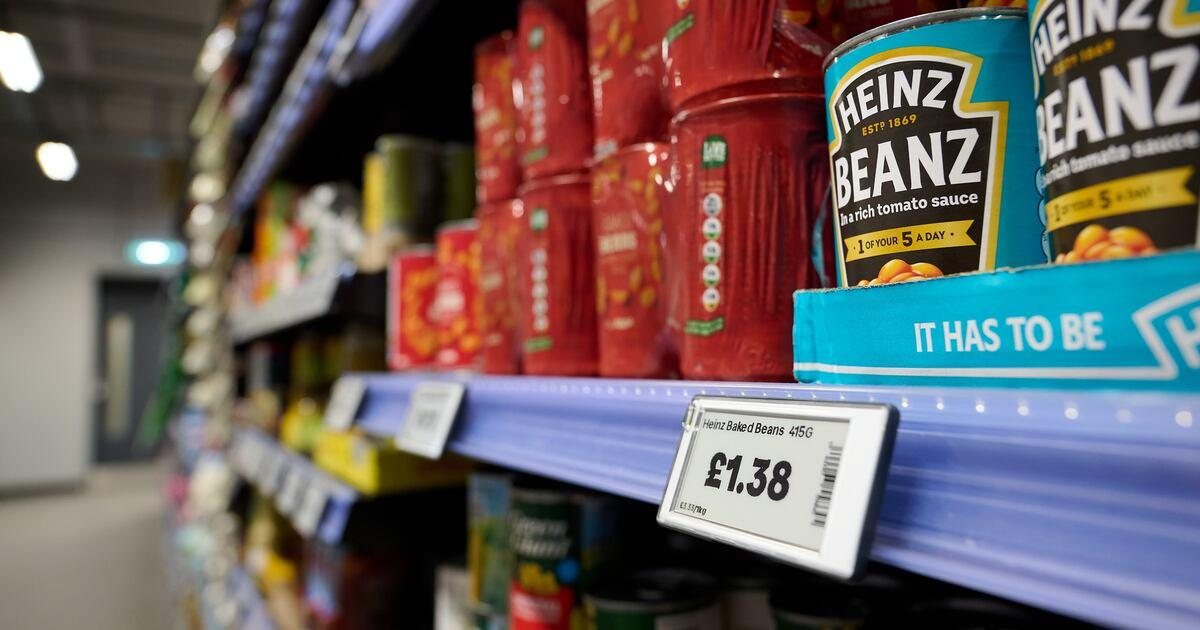
Electronic shelf labels, commonly known as ESLs, replace printed price tickets with small electronic displays. Connected to store management systems, they allow retailers to update prices and product information without manually replacing thousands of paper labels.
Yet the technology represents more than a convenient alternative to paper. It is becoming part of a wider digital transformation involving barcode scanning, inventory tracking, wireless communication and data-driven decision-making.
Why Supermarkets Are Replacing Paper Price Tags
Changing prices manually is a demanding task for supermarkets with thousands of products. Promotional campaigns, supplier price changes, seasonal offers and adjustments to unit pricing can require employees to replace large numbers of labels throughout a store.
In a busy supermarket, even a relatively small pricing update can create substantial work. Employees must identify the correct products, print new tickets, remove outdated labels and verify that the displayed information matches the checkout system.
Electronic labels simplify this process. Once a price change has been approved within the retailer’s central system, the updated information can be transmitted to connected displays. This reduces repetitive manual work and helps stores maintain consistency between shelf prices and checkout records.
For British supermarkets operating under intense competition, these improvements can have meaningful operational benefits. Employees may spend less time changing tickets and more time replenishing shelves, answering customer questions and maintaining store standards.
Morrisons, Tesco and Asda have all been associated with significant electronic labelling developments, demonstrating that the technology is becoming an important consideration across the UK grocery sector.
However, successful implementation depends on more than installing screens. Retailers must integrate the labels with existing databases, pricing software and store networks. They also need reliable processes for checking updates, identifying communication failures and ensuring that displayed prices remain accurate.
How Electronic Labels Work With Barcode Scanners
Electronic shelf labels are only one component of a connected retail environment. Barcode scanners remain essential for identifying products, processing deliveries, conducting stock checks and completing transactions.
When a retailer introduces digital pricing, its product information must remain consistent across multiple systems. A product’s barcode identifies the item, the inventory database records its stock position, and the pricing platform determines the information displayed on the shelf.
If these systems communicate effectively, employees can verify products more quickly and reduce the risk of discrepancies between shelf displays and checkout records.
Handheld scanners are especially important in larger supermarkets and distribution centres. Staff use them to receive deliveries, locate products, count stock and investigate discrepancies. These activities can involve thousands of scans during a busy shift, making dependable equipment essential.
A reliable barcode scanner battery helps keep handheld devices available throughout demanding working periods. When scanners lose power unexpectedly, employees may need to find replacement equipment, return to a charging station or interrupt a task. Across a large retail operation, repeated interruptions can affect productivity and delay stock-related work.
This is why digital transformation requires retailers to consider the entire technology ecosystem rather than focusing exclusively on the visible screens attached to shelves.
Dynamic Pricing and the Question of Consumer Trust
One of the most discussed possibilities associated with electronic shelf labels is dynamic pricing.
In principle, digital displays make it easier for retailers to update prices quickly in response to stock levels, promotions, seasonal demand or other commercial considerations. Some businesses already use automated pricing systems in different sectors, while supermarkets can use electronic labels to make approved price changes more convenient.
Nevertheless, the ability to change prices quickly does not mean that every retailer will automatically adopt frequent or personalised price changes.
In April 2026, the Bank of England examined the growth of technology-enabled pricing, including the use of data and algorithms to adjust prices. Its analysis highlighted how such practices raise questions about competition, transparency and the prices consumers ultimately pay.
For supermarket shoppers, the central concern is straightforward: will the price displayed on the shelf match the price charged at the checkout?
Clear communication is essential. Retailers should ensure that price changes are properly synchronised, promotional conditions are understandable and loyalty discounts are presented accurately. If digital labels make prices easier to change but harder to understand, the technology could undermine consumer confidence.
British shoppers are also likely to distinguish between convenient updates and pricing practices they consider unfair. A clearly marked promotion can improve the shopping experience, whereas unexplained changes may create frustration.
The long-term success of electronic labels will therefore depend on balancing operational flexibility with customer trust.
The Role of AI in Smarter Supermarkets
Artificial intelligence could extend the usefulness of electronic shelf labels by connecting pricing information with other store data.
For example, inventory systems can help retailers identify products approaching low-stock levels. Computer vision technology can detect empty shelf spaces or misplaced items, while analytical software can help managers understand demand patterns and plan replenishment activities.
When these capabilities work together, supermarket employees can receive more useful information about what needs attention and where it is needed.
Consider a busy convenience store in Manchester. A popular product sells faster than expected during the afternoon rush. An inventory system identifies declining stock, while shelf-monitoring technology detects that the product is running low. An employee receives a notification and replenishes the shelf before the gap becomes a bigger problem.
This scenario illustrates the potential of connected retail systems, although the exact capabilities available will vary by retailer and technology supplier.
AI could also support better demand forecasting, helping supermarkets prepare for seasonal events, local shopping patterns and promotional periods. More accurate forecasts may reduce unnecessary stockholding while improving product availability.
However, these systems require dependable data, appropriate staff training and careful management. AI-generated recommendations are only as useful as the information behind them, and employees still need to make informed decisions when systems produce incomplete or unexpected results.
Battery Reliability Behind the Digital Store
Customers generally notice electronic displays, self-checkout machines and handheld scanners rather than the power systems that keep these devices running. Nevertheless, energy reliability is an important part of modern retail infrastructure.
Different devices have different power requirements. Many electronic shelf labels use compact batteries designed to support low-power displays and wireless communication over extended periods. Their service life depends on factors such as display design, communication frequency, battery capacity and operating conditions.
Handheld barcode scanners face a different challenge. Employees may carry them around a store or warehouse for extended periods, repeatedly scanning products, communicating with inventory systems and using display screens. Some operations run across several shifts, increasing the importance of charging schedules and spare equipment.
A suitable barcode scanner battery can help support reliable daily operations when its specifications match the scanner model and the demands of the working environment. Capacity, voltage, connector compatibility, charging requirements and battery management features all matter when retailers select replacement power components.
Battery management also has a practical sustainability dimension. Establishing appropriate charging routines, monitoring battery condition and replacing worn components responsibly can help organisations manage equipment more efficiently. Retailers should follow manufacturer guidance and applicable recycling requirements rather than treating depleted batteries as ordinary waste.
As supermarkets add more connected devices, power management becomes part of the broader conversation about reliability, maintenance and the total cost of operating a digital store.
Sustainability: Less Paper, More Efficient Operations
Replacing paper shelf labels can reduce the need to print, distribute and dispose of large quantities of price tickets. For large supermarket chains, where pricing changes occur frequently, this can reduce a recurring source of material consumption.
Tesco has identified reduced paper use and improved operational efficiency among the benefits of its electronic shelf-label programme. Asda’s rollout similarly removes the need for employees to carry out large volumes of manual price-ticket replacement.
However, the environmental impact of digital labels should be considered across their entire life cycle.
Electronic displays require manufacturing resources, electronic components and batteries. Communication infrastructure consumes energy, and equipment eventually reaches the end of its useful life. Retailers therefore need to consider durability, battery replacement, repairability and recycling alongside reductions in paper consumption.
A digital system can offer environmental advantages, but the overall result depends on how responsibly it is designed, operated and maintained.
There are also potential indirect benefits. Better stock visibility may help stores identify products requiring replenishment sooner, while improved demand forecasting can support more efficient inventory planning. These capabilities could contribute to waste reduction, particularly when applied to products with limited shelf lives.
The most effective sustainability strategies will combine digital technology with sensible operating practices rather than assuming that replacing paper automatically solves every environmental challenge.
What Electronic Shelf Labels Mean for Shoppers
For customers, the most immediate benefit is potentially clearer and more consistent product information.
Electronic displays can show prices, unit costs, promotional details and selected additional information. Depending on the system, retailers may also use QR codes or other digital features to provide access to product information.
This could make comparisons easier for shoppers who want to understand the price per kilogram, litre or individual item rather than simply looking at the headline price.
Digital shelf labels may also help employees update promotional information more efficiently, allowing stores to communicate approved offers with fewer manual steps.
Nevertheless, accessibility matters. Displays must remain readable, information should be presented clearly, and customers should not need a smartphone to understand essential pricing information. Older shoppers and people with visual impairments may benefit from thoughtful screen design and consistent shelf layouts.
Retailers should also make sure that digital improvements do not create new confusion. Customers need clear explanations of loyalty-card prices, temporary offers and any conditions attached to discounts.
Ultimately, successful retail technology should make shopping easier for a broad range of customers, not simply demonstrate that a store has adopted newer equipment.
The Next Step: Fully Connected Retail Operations
Electronic shelf labels could become increasingly integrated with inventory platforms, handheld scanners, warehouse management systems and online grocery services.
A connected store might use a single product database to support shelf displays, stock replenishment, online order picking and checkout operations. This would reduce the need to manage disconnected information across separate systems.
For employees, the benefit could be a more coordinated working environment. A scanner could direct a worker towards a product that needs replenishing, while connected inventory software updates stock records and the shelf display continues to show the correct price.
Such integration is not automatic. Retailers must address legacy systems, wireless coverage, cybersecurity, software compatibility and staff training. Large organisations may also need to introduce new technology gradually to avoid disrupting daily operations.
As connected devices become more common, the reliability of each component becomes increasingly important. Retailers must manage not only digital labels and network infrastructure but also the portable equipment used by staff to keep stores running.
Maintaining dependable barcode scanner battery performance is one practical element of this wider operational challenge, particularly where scanning devices support continuous stock movement and replenishment.
A Digital Future for Britain’s Supermarkets
The spread of electronic shelf labels signals a wider shift in how British supermarkets manage information. What once required printed tickets and repeated manual updates can increasingly be handled through connected digital systems.
The developments at Tesco and Asda show that this transformation is already taking place at substantial scale. Meanwhile, advances in AI, inventory analytics and computer vision could help retailers connect pricing with a broader understanding of store operations.
There are still important questions about consumer trust, system reliability, environmental costs and the responsible use of data. Technology must deliver practical benefits without making prices less transparent or shopping less accessible.
For retailers, the opportunity lies in combining digital displays with reliable scanners, effective inventory management and carefully designed customer experiences. For shoppers, the real test will be whether these investments lead to clearer information, better product availability and a smoother visit to the supermarket.
The future of British grocery retail will not be defined by electronic price tags alone. It will depend on how well retailers connect the technology behind the shelves with the everyday needs of the people shopping in front of them.