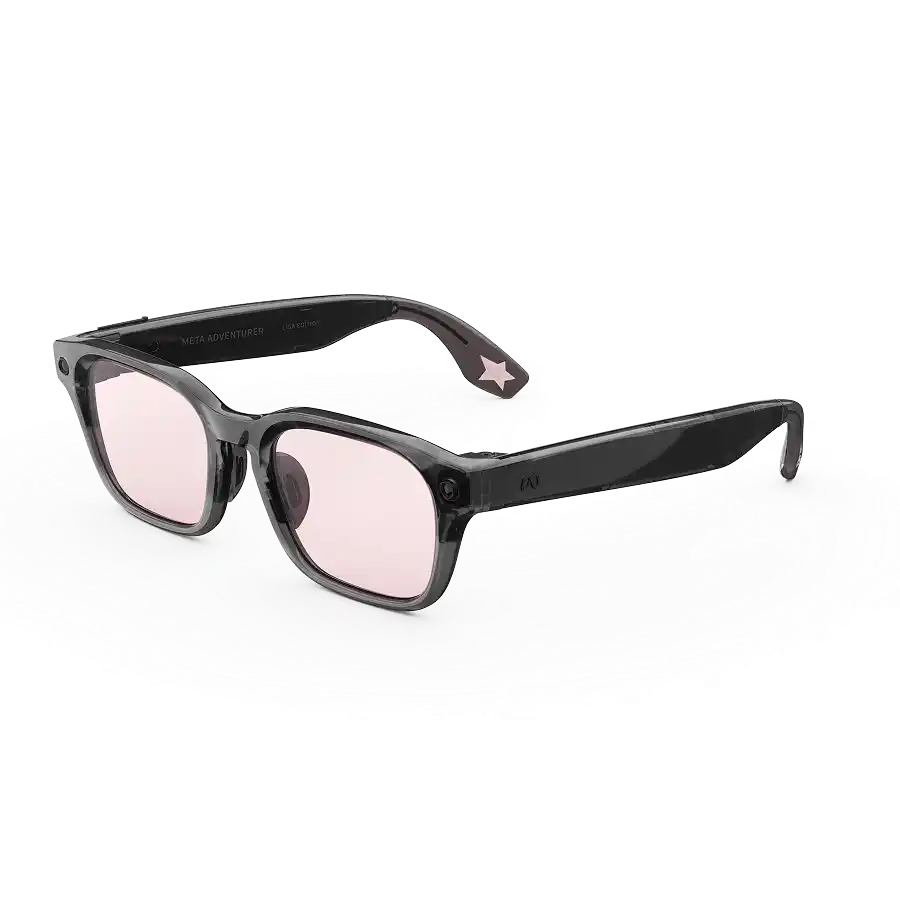
The Rise of AI Smart Glasses in the UK Consumer Technology Market
Artificial intelligence is moving beyond smartphones and laptops, entering a new generation of wearable devices that aim to become everyday digital assistants. In the UK, AI-powered smart glasses have become one of the most discussed technology trends, with consumers, businesses and privacy experts closely watching how these products develop. Recent discussions around AI wearables have focused not only on innovation but also on questions about personal data, recording transparency and responsible technology use.
Unlike traditional smart devices that require users to look at a screen, AI smart glasses are designed to provide information directly through a wearable format. They can assist with navigation, capture images, translate languages, provide audio feedback and connect users with AI services in real time. For British consumers who already rely heavily on smartphones, smartwatches and wireless devices, AI glasses represent a possible shift toward a more natural and hands-free digital experience.
The growing popularity of AI wearables has also created new demand for better hardware solutions. Because smart glasses combine cameras, microphones, processors, wireless connectivity and AI functions into a compact design, manufacturers must carefully balance performance with battery efficiency. This has made battery technology a key factor in the future development of wearable electronics.
As more companies explore AI-powered devices, the importance of reliable energy solutions is becoming increasingly visible. A high-quality consumer electronics battery can influence how long users interact with smart glasses, whether they can depend on real-time AI assistance throughout the day and how practical these devices become for everyday life.
Privacy Concerns Become a Major Topic for UK Consumers
While AI smart glasses offer exciting possibilities, privacy has become one of the biggest discussions surrounding their adoption in the UK. Unlike smartphones, which are usually visible when someone takes a photo or records a video, smart glasses can appear similar to normal eyewear. This has raised concerns about whether people nearby are aware when cameras or microphones are active.
The debate has become particularly important because AI glasses are designed to collect information from the user’s surroundings. Cameras can capture visual data, microphones can record audio, and AI systems can process information to provide assistance. Supporters argue that these features can improve accessibility, productivity and daily convenience, while critics emphasize the need for clearer rules around consent and data protection.
In the UK, where discussions about digital privacy and technology regulation continue to grow, consumers are paying closer attention to how companies manage personal information. People want to understand whether recordings are stored, how AI models process data and what controls users have over their devices.
For manufacturers, building trust may become just as important as improving technical specifications. Future AI wearables may need stronger privacy indicators, easier controls and more transparent data management systems to gain wider acceptance among British consumers.
Battery Technology Shapes the Future of AI Wearables
Behind every smart wearable is a challenge: creating powerful technology in a small physical space. Smart glasses must remain lightweight enough for comfortable daily use while supporting advanced features such as AI processing, cameras, wireless communication and sensors.
Battery life is therefore one of the most important elements influencing user experience. Consumers who purchase wearable devices expect them to work reliably throughout meetings, travel, outdoor activities and entertainment sessions. A device that requires frequent charging may struggle to become an essential everyday product.
The development of the consumer electronics battery market is closely connected with this trend. Manufacturers are exploring ways to increase energy density, reduce charging times and improve battery durability while maintaining compact designs. These improvements are not only important for smart glasses but also for smartwatches, wireless earbuds, fitness trackers and other portable technologies.
For British consumers, longer battery life could determine whether AI glasses become a regular part of daily routines or remain a niche technology product. The success of wearable AI may depend as much on energy efficiency as on artificial intelligence capabilities.
How AI Glasses Could Change Everyday Life in Britain
Despite privacy concerns, AI glasses have attracted attention because they could offer practical benefits across different areas. In professional environments, they may help workers access information without interrupting their tasks. Engineers, healthcare professionals and technicians could use wearable AI assistants to receive instructions while keeping their hands free.
For everyday consumers, AI glasses could provide navigation assistance, instant translations and personalised recommendations. Tourists visiting British cities could potentially use them to understand historical locations, translate signs or receive information about nearby attractions.
Accessibility is another important area where AI wearables may create new opportunities. Devices that can recognise objects, describe surroundings or provide audio assistance could support people with visual or physical challenges. Researchers and technology companies are increasingly exploring how AI can make digital experiences more inclusive.
However, these benefits depend on whether consumers feel comfortable using devices that constantly interact with their environment. The relationship between convenience and privacy will likely define the next stage of wearable technology development.
Competition Among Technology Companies Intensifies
The AI wearable market is attracting major technology companies that want to establish a position in the next generation of consumer electronics. Companies are exploring different approaches, from camera-equipped glasses to AI assistants focused on audio interaction and personal productivity.
Competition is expected to accelerate innovation in areas such as design, artificial intelligence performance and battery efficiency. As more products enter the market, consumers will compare not only features but also reliability, privacy protection and long-term usability.
A major challenge for manufacturers is creating devices that feel natural rather than intrusive. Successful AI glasses will need to combine advanced technology with a design that fits smoothly into everyday activities.
The evolution of these products will also influence related industries. Accessories, charging solutions and replacement components may become increasingly important as more people adopt wearable technology. The demand for improved consumer electronics battery solutions could continue expanding as companies develop more powerful portable devices.
The Role of the UK Market in Future Technology Trends
The UK has traditionally been an important market for new consumer technologies, with strong interest in smartphones, gaming devices, smart home products and wearable electronics. British consumers often evaluate new products carefully, considering both innovation and practical value.
AI smart glasses represent a significant test for the relationship between technology companies and users. The devices promise a more connected future, but they also require companies to address concerns about privacy, security and responsible design.
As AI becomes increasingly integrated into daily products, battery performance will remain a fundamental factor. Consumers expect modern devices to provide powerful functions without creating inconvenience through limited battery life.
The next generation of wearable technology will likely depend on improvements across multiple areas: smarter artificial intelligence, better privacy controls, comfortable designs and stronger energy solutions. The development of the consumer electronics battery industry will continue to support this transformation by enabling smaller, more powerful and longer-lasting devices.
A New Era of Connected Wearable Technology
AI smart glasses are still developing, but their growing attention in the UK shows how quickly consumer technology is changing. The future of wearable devices will not only be determined by artificial intelligence capabilities but also by how effectively companies address consumer expectations.
Privacy protection, transparent design and reliable performance will be essential for building trust. At the same time, advances in battery technology will help make these devices more practical for everyday use.
As the boundary between digital and physical experiences becomes increasingly blurred, AI wearables may become an important part of the next generation of personal technology. The companies that successfully combine innovation with user confidence will shape the future direction of the wearable electronics market.