The Rise of Wearable Health Technology in Britain
From London commuters checking their heart rates on the Underground to people tracking their sleep in Manchester and Edinburgh, wearable health technology has become an increasingly familiar part of everyday life in Britain. Smartwatches, fitness bands, smart rings and specialist medical sensors promise to make health information easier to understand, offering users a constant stream of measurements without requiring a visit to a clinic.
The appeal is easy to understand. A device worn on the wrist or attached to the chest can collect information throughout the day, helping users identify changes in activity, resting heart rate, sleep patterns and, in some cases, other physiological measurements. Instead of relying entirely on occasional appointments, people can begin to build a broader picture of their daily wellbeing.
However, as wearable technology becomes more sophisticated, an important question deserves greater attention: how accurately do these devices reflect what is happening inside the human body?
The distinction matters because consumer wellness gadgets and regulated medical devices do not necessarily have the same purpose. A smartwatch may provide useful fitness insights without being suitable for diagnosing a medical condition. As British consumers become more interested in personal health data, understanding the strengths and limitations of these products is becoming just as important as comparing their features.
Can Smartwatches Really Measure Health Accurately?
Accuracy is one of the biggest challenges facing wearable health monitors. Most consumer devices use optical sensors, movement detectors and software algorithms to estimate particular measurements. Their performance can vary depending on the sensor design, how tightly the device fits, the user’s activity and the specific measurement being collected.
Heart-rate monitoring during steady walking or resting may be relatively straightforward for a well-designed device. During intense exercise, however, rapid movements, changes in skin contact and other sources of interference can affect readings. Different devices may also produce slightly different results under similar conditions.
Blood pressure presents an even more complicated challenge. Traditional upper-arm monitors measure pressure using an inflatable cuff. Many cuffless wearables instead estimate blood pressure-related information using signals such as pulse-wave characteristics, often alongside calibration and mathematical models.
The British and Irish Hypertension Society has been developing an evidence-led approach to evaluating wearable and cuffless blood pressure technologies. Its guidance makes an important distinction between regulatory status, technical validation, controlled evaluation and endorsement for routine clinical use. The organisation stated in October 2026 that it was establishing a rigorous independent evaluation programme and was not currently approving wearable or cuffless blood pressure devices for routine clinical use.
For consumers, this is a reminder that an attractive display and a sophisticated algorithm do not automatically establish clinical reliability.
A wearable can still be useful for observing trends, but users should understand what the manufacturer claims it measures and whether those claims have been supported by appropriate testing.
Why Continuous Monitoring Could Change Healthcare
Despite questions about accuracy, wearable monitoring offers a potentially valuable advantage: it can collect information between medical appointments.
A conventional measurement provides a snapshot of a person’s condition at a particular moment. Continuous or repeated monitoring can reveal how measurements change throughout the day, potentially showing patterns associated with sleep, physical activity, medication routines or recovery.
This possibility is particularly relevant to the NHS, where appropriate remote monitoring could help clinicians follow selected patients without requiring every observation to be taken during an in-person appointment.
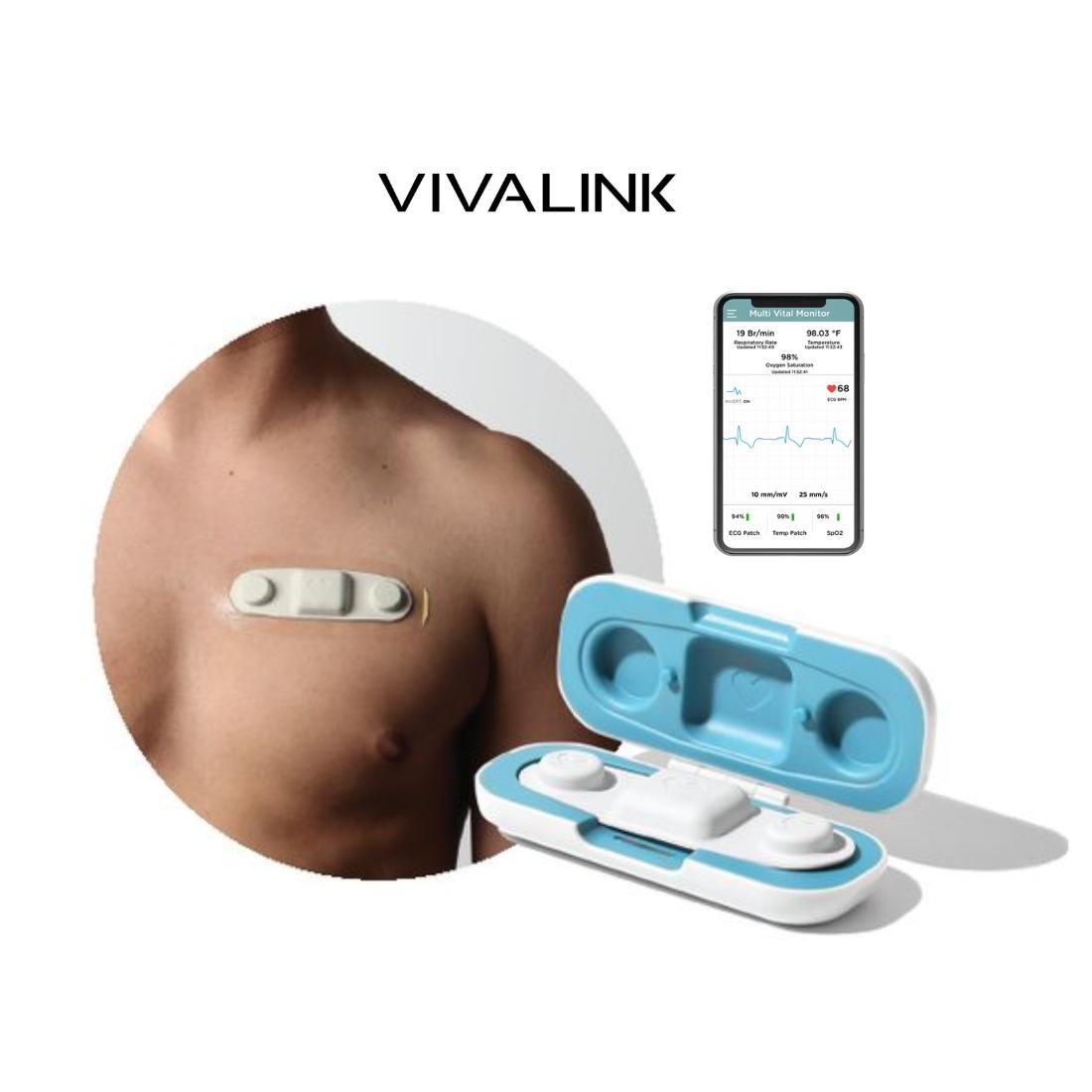
A notable UK development emerged on 13 October 2026, when Oxford University Hospitals reported research involving wearable chest patches for patients receiving hospital-level care at home. Researchers from the Universities of Oxford and Warwick studied 26 adult patients using a wearable patch that measured heart rate and breathing rate for up to seven days.
The research found that heart-rate data were successfully captured in 89% of four-hour monitoring periods, while breathing-rate data were captured in 75%. The study was relatively small, and the findings do not establish that every wearable is suitable for every patient. Nevertheless, they illustrate how automatic monitoring might support care outside traditional hospital settings.
For older people, individuals recovering from illness and patients who find repeated manual measurements difficult, this approach could reduce the burden of recording information themselves. It could also help healthcare teams identify situations that require closer attention.
The key is integration. Collecting more data is not automatically beneficial unless healthcare professionals can interpret it, assess its reliability and act on meaningful findings.
The Importance of Reliable Medical Equipment
Wearable health systems depend on more than sensors and smartphone applications. Their reliability also relies on suitable power management, dependable electronic components, secure data transmission and consistent performance over time.
In professional healthcare settings, a device that stops working unexpectedly can interrupt monitoring and create additional work for patients or clinical staff. Designers must therefore consider operating time, charging arrangements, battery condition and the consequences of a depleted power supply.
For equipment intended for clinical monitoring, a suitable medical battery is part of the wider reliability equation. The power source must meet the device manufacturer’s requirements for voltage, capacity, charging behaviour and operating conditions. A battery’s physical compatibility alone does not establish that it is appropriate for a particular medical application.
This consideration becomes increasingly important as monitoring moves beyond hospitals and into homes. A patient may be wearing a sensor while sleeping, moving around the house or recovering without immediate assistance from clinical staff. Dependable operation helps ensure that the system can collect information when it is needed.
Manufacturers must also explain how users should recharge or replace batteries, recognise low-power warnings and respond when a device stops recording. These practical details can influence the overall usefulness of a monitoring system just as much as its headline sensor specifications.
Battery Life Is More Than a Convenience Feature
For ordinary fitness trackers, battery life is often treated as a purchasing consideration. Consumers may prefer a device that lasts several days between charges, particularly when they want to monitor sleep overnight.
For health monitoring equipment, uninterrupted operation can have a different significance. If a device is intended to collect measurements at regular intervals, frequent charging creates opportunities for gaps in the data. Those gaps may be manageable for casual fitness tracking but could complicate a monitoring programme that depends on consistent observations.
Designers therefore need to balance several competing requirements. More frequent measurements may increase energy consumption. Wireless communication, bright displays, background processing and advanced sensors can also place demands on a compact battery.
A well-designed medical battery solution should be evaluated in the context of the entire device rather than by capacity alone. Energy efficiency, charging safety, expected service life and the manufacturer’s maintenance instructions all influence real-world performance.
There is no single battery specification that suits every wearable. A lightweight wrist monitor, a chest patch intended for several days of use and a larger clinical monitoring device may have very different power requirements.
Consumers should follow the instructions supplied with their equipment and use only compatible charging accessories and replacement components. Where a product is intended for a medical purpose, any battery replacement should follow the manufacturer’s specified procedure.
Privacy and the Growing Value of Personal Health Data
Accuracy is only one part of the debate. Wearable devices can generate large quantities of personal information, including activity records, sleep estimates, heart-rate measurements and, depending on the product, other sensitive health-related data.
This information may be stored on a smartphone, transmitted to a manufacturer’s cloud service or shared with other applications. Consumers should understand which data are collected, how long they are retained and whether they can be shared with third parties.
The issue becomes more important when health information is connected to several digital services. A user might combine smartwatch readings with a fitness application, a sleep tracker and a digital healthcare platform. While integration can make information easier to understand, it can also create a more complicated picture of who has access to that information.
British consumers should examine privacy policies before enabling data sharing, review application permissions and use available account security features. Manufacturers, meanwhile, should explain their practices in straightforward language rather than hiding important details in lengthy technical documents.
Trust will be essential if wearable monitoring is to become a more established part of healthcare. People need confidence not only that a device performs as advertised, but also that their information is handled responsibly.
Avoiding Anxiety from Constant Health Notifications
Another challenge is the psychological effect of continuous measurement. Some users find regular feedback motivating, particularly when it encourages them to become more active or establish healthier sleep routines. Others may become anxious when a device reports an unusual reading or highlights a change they do not understand.
A single unexpected measurement does not necessarily indicate a medical problem. Readings can be affected by movement, sensor placement, temporary physiological changes and technical limitations. Repeatedly checking an application can also make minor fluctuations seem more significant than they are.
Manufacturers can help by explaining uncertainty, distinguishing general wellness information from clinically validated measurements and avoiding unnecessarily alarming notifications.
Users should also resist the temptation to interpret every graph as a diagnosis. Wearable readings can provide useful context for a conversation with a GP, pharmacist or other healthcare professional, but they should not replace appropriate medical assessment.
If a person experiences concerning symptoms, they should seek appropriate medical advice rather than relying on a reassuring wearable reading. Likewise, anyone using a prescribed monitoring device should follow their clinician’s instructions about when and how to respond to its results.
What British Consumers Should Check Before Buying
The growing choice of smartwatches, rings and specialist sensors makes careful product comparison worthwhile. Buyers should begin by identifying what they actually want to monitor. A device intended to count steps and estimate sleep does not necessarily need the same capabilities as one designed for a specific medical purpose.
For medical devices sold for personal use in the UK, the Medicines and Healthcare products Regulatory Agency provides guidance on safety, suitability and applicable regulatory marking. Consumers should check the product’s intended purpose, relevant marking, manufacturer’s information and instructions before purchasing.
It is also worth considering practical factors. Does the device fit comfortably? Can the application present information clearly? How often must it be charged? Is the manufacturer transparent about limitations? Can the user obtain technical support if readings appear inconsistent?
People who need to monitor a diagnosed condition should ask their healthcare professional whether a particular product is appropriate. They should not assume that a popular consumer smartwatch can perform every function of a dedicated clinical instrument.
For specialist devices, power requirements deserve attention too. A compatible medical battery can support dependable operation, but it cannot compensate for inaccurate sensors, unsuitable software or poor maintenance. Reliability depends on the complete system working as intended.
The Future of Wearable Health Monitoring in the UK
Wearable health technology is moving towards a future in which monitoring may become less intrusive and more closely connected with healthcare services. Better sensors, improved algorithms and longer-lasting power systems could make devices easier to wear and more useful in everyday life.
The recent Oxford research into wearable chest patches demonstrates why this direction is attracting attention. Automatic collection of vital-sign data may help healthcare teams observe selected patients at home, although larger studies and clear clinical procedures remain important before findings can be applied more broadly.
The next stage will require collaboration between technology companies, healthcare professionals, researchers and regulators. Products must be evaluated for the specific tasks they are designed to perform, while healthcare providers need workable systems for interpreting information and responding when necessary.
Consumers also have a role to play. Understanding the limits of a device, maintaining it properly and using its readings sensibly can help prevent unrealistic expectations.
Smarter Technology Needs Stronger Evidence
Wearable health monitors offer an appealing vision of more informed, personalised healthcare. They can help people recognise patterns in their daily routines and may support remote monitoring when used in appropriate clinical settings.
However, convenience should not be confused with accuracy, and a constant stream of data should not be mistaken for a complete understanding of health. Reliable measurements, responsible data handling, suitable power systems and clear guidance are all necessary for these products to fulfil their promise.
For Britain, the opportunity is to embrace useful innovation without losing sight of evidence and patient safety. As wearable technology becomes more capable, the most successful devices will not simply collect more information. They will help people and healthcare professionals understand which information matters, when it can be trusted and what action, if any, should follow.