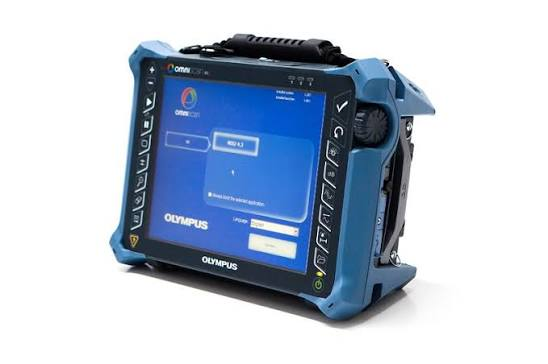
The Rise of Smart Health Devices in British Homes
In recent years, healthcare technology has become one of the fastest-growing areas in the UK consumer electronics market. More British households are adopting smart health devices that allow people to monitor their wellbeing, track important health indicators, and manage daily routines more effectively. From wearable fitness trackers and digital thermometers to home monitoring systems and smart medical equipment, electronic health products are becoming an important part of modern life.
The growth of these devices is closely connected to several changes in British society. An ageing population, increasing interest in preventive healthcare, and the demand for more convenient medical support have encouraged consumers to explore technology-based solutions. Instead of waiting for health problems to become serious, many people now prefer to collect information about their health regularly and make informed lifestyle decisions.
Smart health devices are also becoming more accessible. In the past, many electronic medical tools were mainly used in hospitals or professional healthcare environments. Today, many compact and user-friendly products are designed for everyday home use. These devices can help users check vital signs, maintain fitness goals, and communicate health information with medical professionals when necessary.
As technology continues to develop, the reliability and performance of these devices have become major priorities. A key factor behind the improvement of portable medical electronics is the development of advanced power solutions, including medical battery technology that supports longer operation times and more stable performance.
Why Home Healthcare Technology Is Becoming Popular in the UK
The demand for home healthcare electronics has increased significantly because many people want greater control over their personal health. Smart devices provide a simple way to understand daily health patterns without always visiting a clinic or hospital.
For elderly users, home medical electronics can offer additional confidence and independence. Devices that monitor heart rate, blood pressure, oxygen levels, or movement can provide valuable information while allowing individuals to remain comfortable in their own homes. Family members can also feel more reassured when they know that technology is helping monitor the wellbeing of their loved ones.
Younger generations are also contributing to this trend. Many British consumers are interested in fitness, wellness, and lifestyle optimisation. Smart watches, health trackers, and connected devices are no longer viewed only as technology accessories. They are becoming personal health assistants that encourage better habits.
The popularity of remote healthcare services has further accelerated this development. Digital consultations and online medical support have become more common, creating demand for reliable devices that can collect accurate information outside traditional healthcare settings.
Behind these innovations, battery performance plays a crucial role. A device that needs frequent charging may be inconvenient, especially when it is designed for continuous health monitoring. This is why manufacturers continue to improve medical battery solutions to provide safer energy storage, longer usage periods, and dependable power for sensitive electronic equipment.
The Role of Wearable Technology in Everyday Health Management
Wearable health technology is one of the most visible examples of the UK’s growing interest in smart healthcare. Smart watches and fitness trackers have moved beyond simple step counting and now include advanced features such as sleep analysis, heart monitoring, and activity tracking.
For many users, wearable devices provide a daily overview of their physical condition. They can identify changes in normal patterns and encourage healthier choices. For example, someone may notice that their sleep quality is declining or that their activity level has decreased, motivating them to adjust their routine.
The healthcare industry is also exploring how wearable technology can support long-term monitoring. Patients with specific health concerns may benefit from devices that continuously collect information and share data with healthcare providers. This approach could help doctors better understand individual conditions and provide more personalised advice.
However, wearable medical electronics require compact, durable, and efficient power sources. These devices are often expected to operate throughout the day while maintaining accurate performance. Advanced medical battery designs help meet these requirements by offering improved energy efficiency and reliability for modern wearable healthcare products.
Smart Medical Devices and the Future of Preventive Care
One of the biggest changes brought by electronic healthcare products is the shift from reactive treatment to preventive care. Instead of focusing only on solving health problems after they appear, technology allows people to monitor their condition and take action earlier.
Smart blood pressure monitors, digital glucose monitoring systems, and connected health sensors are examples of devices that support this approach. These products can help users understand their bodies better and encourage regular health management.
In the UK, preventive healthcare has become increasingly important as healthcare systems look for ways to improve efficiency. Home monitoring technology can reduce unnecessary appointments while helping medical professionals focus on patients who need more immediate attention.
The development of artificial intelligence is also creating new possibilities. AI-powered systems can analyse health data, identify unusual patterns, and provide personalised suggestions. As these technologies become more advanced, smart medical devices may become even more valuable in supporting everyday healthcare decisions.
Reliable energy sources will remain essential for these innovations. Medical devices must operate safely and consistently because users often depend on them for important health information. High-quality battery technology will continue to influence how effectively these products perform in real-world situations.
Sustainability and Longer Device Lifespan in UK Healthcare Electronics
Environmental awareness is another important factor shaping the UK electronics market. Consumers are becoming more interested in products that are durable, repairable, and designed with sustainability in mind.
Healthcare electronics are no exception. Many users want devices that can last longer instead of being replaced frequently. Longer-lasting components, efficient power management, and improved battery systems can help reduce electronic waste.
Manufacturers are responding by developing products that balance performance with environmental responsibility. Better battery technology allows devices to operate efficiently while reducing the need for frequent replacements. This is especially important for medical electronics, where reliability and durability are essential.
The focus on sustainability also encourages consumers to consider the total lifespan of a product before purchasing. A device with strong performance, reliable energy storage, and replaceable components may become more attractive than a cheaper alternative with a shorter lifespan.
Challenges Facing the UK Smart Healthcare Electronics Market
Although smart health devices offer many benefits, there are still challenges that need to be addressed. Data privacy is one of the biggest concerns. Since many healthcare devices collect personal information, consumers want to know that their data is protected.
Ease of use is another important factor. Not every user has advanced technical knowledge, especially older adults who may benefit greatly from these devices. Manufacturers need to create products with simple interfaces and clear instructions.
Accuracy is also critical. Medical-related electronics must provide reliable information because users may make decisions based on the data they receive. Continuous improvements in sensors, software, and power systems are necessary to maintain consumer confidence.
Battery safety is particularly important in this sector. Healthcare devices often need stable performance over long periods, making dependable energy solutions a key part of product development. Future improvements in medical battery technology will likely focus on safety, efficiency, and adaptability for different types of healthcare equipment.
The Future of Smart Health Electronics in the UK
The future of healthcare electronics in the UK looks increasingly connected and personalised. As technology continues to improve, more people are expected to use smart devices to manage their health at home.
Future developments may include more advanced wearable systems, AI-based health assistants, and smarter home medical environments. These innovations could make healthcare more convenient while helping people take greater responsibility for their wellbeing.
For businesses operating in the electronics industry, the growth of smart healthcare represents a major opportunity. Demand for reliable, efficient, and long-lasting components will continue to increase as more medical devices become part of everyday life.
The relationship between healthcare and technology is becoming stronger every year. From wearable trackers to professional medical equipment, electronic solutions are transforming how people monitor and manage their health. With continued innovation in design, software, and power technology, smart health devices are expected to play an increasingly important role in British households.
As the UK moves toward a more digital healthcare future, dependable energy solutions will remain at the centre of this transformation. The progress of modern healthcare electronics depends not only on advanced features but also on the ability to deliver consistent performance whenever users need it most.