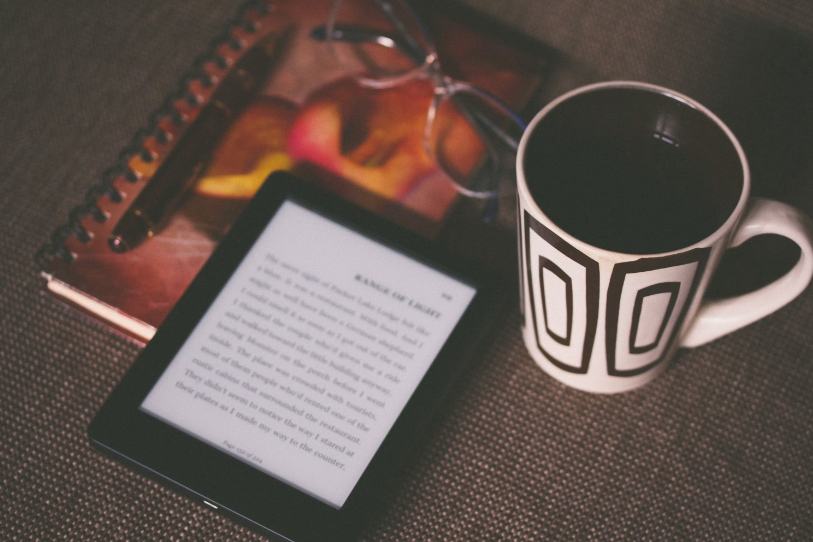
The Rise of Digital Paper in the UK
For decades, paper notebooks, printed documents, and physical books have remained an important part of everyday life in the UK. However, as workplaces, schools, and personal lifestyles become increasingly digital, a new category of electronic products is gaining attention: e-paper devices and smart notebooks. These devices combine the simplicity of traditional writing with modern digital features, offering users a more flexible way to read, write, organise, and store information.
Unlike traditional tablets with bright LCD screens, e-paper devices are designed to create a paper-like viewing experience. Their displays reduce glare, consume less energy, and provide a comfortable reading experience for long periods. In the UK, where students, professionals, and remote workers are looking for practical alternatives to traditional notebooks and laptops, smart paper technology is becoming an increasingly interesting option.
The growing popularity of digital notebooks is not only about replacing paper. It represents a shift in how people manage information. A single lightweight device can store thousands of pages, organise handwritten notes, display documents, and support digital reading. Modern e-paper products are moving beyond simple reading devices and becoming multifunctional tools for productivity.
Why British Consumers Are Interested in Smart Notebooks
One of the biggest reasons behind the popularity of e-paper devices in the UK is the changing working environment. Hybrid work has become common for many professionals, creating demand for portable technology that helps people stay organised without carrying heavy equipment.
A traditional notebook may be simple and reliable, but it has limitations. Once a page is filled, users need another notebook. Searching through handwritten notes can also be difficult, especially for students and office workers managing large amounts of information. Smart notebooks solve these problems by allowing users to save, search, and organise their notes digitally.
For university students, digital paper devices provide a new approach to learning. Instead of carrying multiple textbooks and notebooks, students can keep lecture notes, research materials, and documents in one compact device. The ability to annotate PDFs and organise handwritten content makes these products attractive for education environments.
Professionals are also discovering new possibilities. Designers, writers, researchers, and business workers can use smart notebooks to record ideas during meetings, review documents, and manage projects more efficiently. The combination of handwriting comfort and digital storage creates a unique experience between a notebook and a tablet.
E-Paper Technology Creates a New Reading Experience
Although smart notebooks are becoming popular for writing, reading remains one of their most important functions. E-paper displays are especially suitable for digital books because they imitate the appearance of printed pages rather than producing the intense brightness of conventional screens.
Many UK readers are choosing dedicated e-readers because they want a comfortable way to enjoy books without distractions. Unlike smartphones and standard tablets, e-paper devices are designed specifically for focused reading. Users can spend hours reading novels, magazines, academic papers, or professional documents with less visual fatigue.
Battery efficiency is another important factor. Because e-paper screens require very little power when displaying static content, many reading devices can operate for extended periods before needing a recharge. For people who travel frequently or spend time outdoors, long-lasting performance is one of the strongest advantages.
As manufacturers continue improving screen quality, colour displays, handwriting functions, and storage capacity, the boundary between an e-reader and a digital notebook is becoming less clear. Some modern products now combine reading, writing, and document management into one device.
The Importance of Battery Performance in Modern E-Paper Devices
Although e-paper technology is known for energy efficiency, battery quality remains a key factor when consumers choose their next digital reading or writing device. Users expect their devices to support long reading sessions, frequent note-taking, and daily productivity without constant charging.
For people who use smart notebooks for university, business travel, or creative work, a reliable e-reader battery can make a significant difference. A strong battery allows users to focus on their tasks instead of searching for charging points throughout the day.
The demand for better battery performance is also connected to the growing range of features available on modern devices. Larger screens, front lighting, handwriting recognition, wireless connectivity, and cloud synchronisation all require efficient power management. As e-paper devices become more advanced, manufacturers continue to focus on improving energy efficiency while maintaining portability.
Another important consideration is device lifespan. Many consumers in the UK are becoming more interested in sustainable electronics and products that can remain useful for several years. A durable e-reader battery helps extend the practical life of digital reading devices, reducing the need for frequent replacements and supporting more environmentally responsible technology choices.
Can Smart Notebooks Replace Traditional Office Tools?
The question many consumers are asking is whether digital notebooks can completely replace traditional paper products. The answer depends on individual needs.
For people who enjoy the feeling of writing by hand but want better organisation, smart notebooks offer an attractive solution. They preserve the natural writing experience while adding modern advantages such as digital storage and easy access.
However, traditional paper still has a place in many situations. Some users prefer the simplicity of a physical notebook, especially for quick notes or creative brainstorming. Paper requires no charging, no software updates, and no technical setup.
Instead of completely replacing paper, smart notebooks are creating a new category between analogue and digital tools. They provide an alternative for users who want the convenience of technology while keeping the familiar experience of writing.
In offices, the future may involve a combination of both methods. Employees may use digital notebooks for meetings and project management while keeping traditional notebooks for personal ideas or quick reminders.
The Future of E-Paper Devices in the UK Market
The UK market for e-paper technology is expected to continue evolving as consumers look for more specialised electronic products. Rather than buying devices with endless functions, many people are becoming interested in technology that solves specific everyday problems.
Smart notebooks and e-readers represent this change. They are not designed to replace every electronic device but to provide a focused experience for reading, writing, and organising information. This approach appeals to users who want technology that improves productivity without unnecessary complexity.
Future developments may include thinner designs, improved colour e-paper screens, stronger connectivity, and more advanced writing features. As competition increases, manufacturers will likely continue creating devices that combine the advantages of books, notebooks, and tablets.
Battery innovation will also remain an important part of this development. Consumers expect portable electronics to become more convenient, and energy efficiency will influence purchasing decisions. A dependable e-reader battery will continue to be a key component in delivering a smooth digital reading and writing experience.
Digital Paper Is Becoming Part of Everyday Life
The rise of e-paper devices in the UK reflects a broader change in consumer technology. People are no longer only looking for powerful electronics; they are searching for practical tools that fit naturally into their daily routines.
Smart notebooks and e-readers provide a balance between traditional habits and digital convenience. They offer comfortable reading, efficient note-taking, and better organisation while maintaining a familiar paper-like experience.
As more students, professionals, and everyday users explore these devices, digital paper technology is likely to become an increasingly common part of modern life. With improvements in design, functionality, and battery performance, e-paper devices may become one of the most interesting developments in the future of personal electronics.