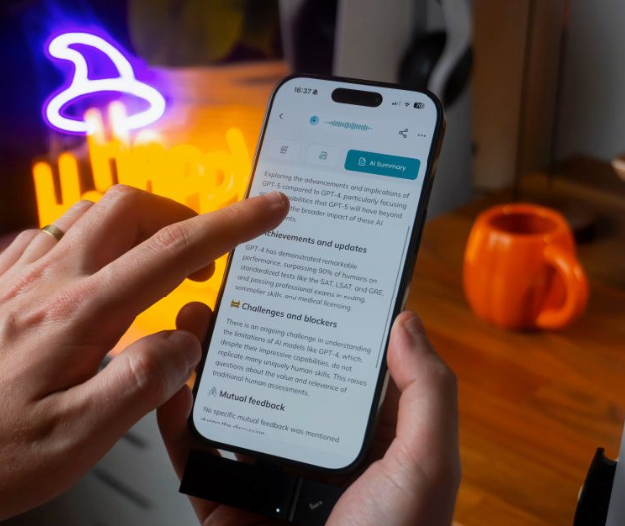
The New Era of Smartphones in the UK
Smartphones have become an essential part of everyday life in the UK, connecting people through communication, entertainment, work, shopping and personal services. However, the smartphone industry is entering a new stage of development. Instead of focusing only on faster processors, larger screens or better cameras, manufacturers are now competing through artificial intelligence (AI) features that can make devices smarter, more personalised and more efficient.
Across the UK, consumers are becoming increasingly interested in devices that can understand their habits and provide practical support. AI smartphones are now capable of helping users organise schedules, improve photos, translate languages instantly and manage daily tasks with fewer steps. As AI technology becomes more accessible, smartphones are transforming from simple communication tools into intelligent personal assistants.
The latest generation of mobile devices is also changing expectations around performance and reliability. British consumers are not only looking for innovative features but also want devices that can last longer, support demanding applications and provide dependable everyday performance. This shift has made hardware quality, including battery technology, a key consideration when choosing a new smartphone.
AI Features Are Driving the Next Smartphone Upgrade Cycle
For many years, smartphone upgrades were mainly influenced by camera improvements, screen quality and design changes. Today, AI has become one of the biggest reasons consumers consider purchasing a new device. Modern AI smartphones can analyse images automatically, remove unwanted objects from photos, generate content and offer more personalised recommendations.
In the UK market, AI-powered features are becoming especially attractive among younger users who rely heavily on smartphones for social media, education and creative projects. Instead of spending time manually editing photos or searching for information, users can complete tasks faster with built-in AI assistance.
For example, AI cameras can recognise different environments and adjust settings automatically, helping users capture better images in challenging conditions. AI writing assistants can help create messages, emails and documents, while real-time translation tools make communication easier for people travelling or working internationally.
However, advanced AI functions also require stronger hardware. Running AI models directly on a smartphone demands more processing power, which means manufacturers must improve energy efficiency and thermal management. This is why smartphone design is increasingly focused on balancing performance with long-term usability.
Battery Performance Becomes More Important in the AI Smartphone Age
As smartphones become more powerful, battery life has become one of the most important concerns for consumers. AI applications, high-resolution cameras, gaming features and continuous connectivity can increase energy consumption, creating higher expectations for efficient power solutions.
A modern smartphone battery needs to support not only basic calls and messages but also intensive activities such as AI processing, video streaming and mobile gaming. Consumers expect their devices to remain reliable throughout busy working days without constantly searching for charging points.
Manufacturers are responding by developing improved battery technologies, faster charging systems and smarter power management software. AI itself can also help extend battery life by learning user behaviour and reducing unnecessary background activity.
For British consumers, this improvement is particularly valuable because smartphones are used in many different situations, from commuting on public transport to working remotely from cafes and travelling across cities. A reliable device must be able to handle a wide range of daily demands.
The Rise of Smarter Cameras and Personal Creativity
Photography remains one of the most important smartphone features in the UK. Social media platforms, online businesses and digital content creation have increased demand for better mobile cameras. AI is now changing how people capture and edit images.
Traditional smartphone cameras required users to understand settings such as exposure, focus and lighting. AI smartphones simplify this process by automatically recognising scenes and improving results. A person taking a photo of food, a landscape or a night scene can receive professional-looking results without advanced photography knowledge.
AI editing tools are also becoming more creative. Users can remove background objects, improve image quality and create new visual effects directly from their phones. This technology is especially appealing to younger generations who use smartphones as creative platforms rather than simple communication devices.
As camera technology advances, smartphones must manage larger amounts of data and more demanding software. This increases the importance of efficient processors and a powerful smartphone battery that can maintain performance during extended photography sessions, video recording and content creation.
AI Smartphones and the Future of Mobile Work
The role of smartphones in professional life has expanded significantly. Many UK workers now use mobile devices for communication, project management, online meetings and document editing. AI is making smartphones even more useful as workplace tools.
AI assistants can summarise documents, organise information and help users complete tasks more efficiently. For small business owners and freelancers, smartphones equipped with intelligent features can provide many capabilities that previously required computers.
Remote and flexible working trends have also increased demand for reliable mobile technology. Employees need devices that can handle long working hours, frequent video calls and cloud-based applications. A smartphone that loses power during an important meeting can create unnecessary problems.
This is why battery technology remains a major factor in smartphone innovation. A high-quality smartphone battery allows users to take full advantage of AI functions without worrying about constant charging interruptions.
Sustainability and Longer Smartphone Lifecycles in Britain
Another important trend in the UK smartphone market is the growing interest in sustainability and product longevity. Many consumers are becoming more careful about electronic purchases and want devices that provide better long-term value.
Instead of replacing phones every year, more people are choosing devices that can remain useful for several years. Manufacturers are responding by improving software support, repair options and hardware durability.
Battery health has become a central part of this discussion. Since battery performance naturally decreases over time, consumers are paying more attention to devices that offer reliable battery technology and easier maintenance options.
The move towards longer smartphone lifespans also supports environmental goals by reducing electronic waste. A phone that remains functional for a longer period creates less pressure on resources and encourages more responsible consumption.
The Competition Between Major Smartphone Brands
The global smartphone market is becoming increasingly competitive as companies invest heavily in AI technology. Leading brands are developing their own AI platforms, processors and software ecosystems to attract consumers.
Premium smartphones are introducing advanced AI capabilities, while mid-range models are gradually adopting similar features to meet wider consumer demand. This means AI technology is no longer limited to expensive flagship devices.
Competition is also increasing around battery efficiency, camera performance and overall user experience. Consumers are comparing devices based on practical benefits rather than technical specifications alone. A smartphone that offers intelligent features but poor battery performance may struggle to gain popularity.
Future smartphone success will likely depend on how well companies combine AI innovation with everyday reliability.
What the Future Holds for UK Smartphone Users
The future of smartphones in the UK will be shaped by artificial intelligence, sustainability and user-focused design. As AI becomes more integrated into daily life, smartphones will continue evolving into smarter and more personalised devices.
Future models may provide more advanced health monitoring, improved translation, smarter automation and deeper connections with other smart devices. Smartphones could become central control systems for homes, workplaces and personal services.
At the same time, consumers will continue demanding longer-lasting devices. Performance, convenience and reliability will remain equally important. Battery technology will play a crucial role in making advanced smartphone experiences possible.
AI smartphones represent more than a simple hardware upgrade. They reflect a broader transformation in how people interact with technology. From improving productivity to supporting creativity and simplifying everyday tasks, these devices are changing the relationship between humans and digital technology.
As innovation continues, the smartphone will remain one of the most influential electronic products in modern British life.