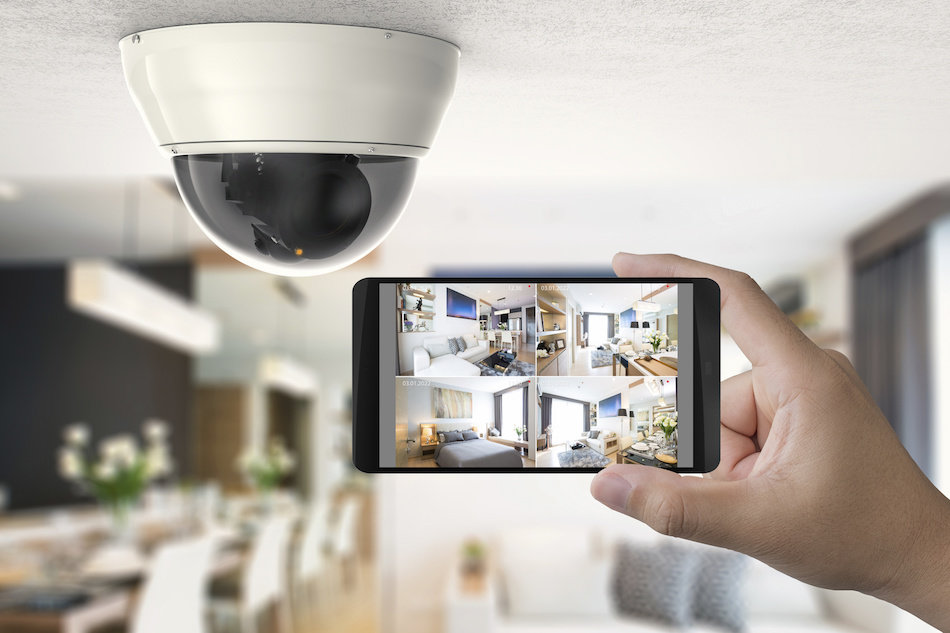
Smart technology has become a familiar part of everyday life in Britain. From video doorbells and smart speakers to connected televisions, robot vacuum cleaners and home security cameras, British households are increasingly surrounded by devices designed to make life easier.
Yet as smart devices become more capable, another issue is becoming harder to ignore: privacy.
A few years ago, buying a connected camera for the front door might have felt like a simple security decision. Today, consumers are asking more questions. Where is the footage stored? Who can access it? How long is it kept? Does the device record continuously? What happens if an account is hacked? And what happens when a device remains connected to the internet long after its owner has stopped thinking about it?
These questions are becoming particularly relevant in British homes, where connected devices are moving beyond early adopters and into ordinary households.
The Smart Home Is Becoming More Connected
The modern British home can contain dozens of connected devices.
A homeowner might use a smart thermostat to manage heating, a video doorbell to monitor deliveries, a smart television for entertainment, wireless speakers for music and a security camera to keep an eye on the garden.
Each device can collect or process information.
Some devices may know when people are at home. Others can identify voices, record images or monitor movement. Even seemingly simple products can generate information about daily routines.
This creates an interesting contradiction. Smart technology is designed to provide convenience, but convenience often depends on collecting data.
For consumers, the challenge is finding a balance between useful features and reasonable privacy.
Security Cameras Are No Longer Just Security Products
Home security cameras have become particularly interesting because they combine physical security with digital technology.
Traditional security equipment generally focused on recording activity. Modern connected cameras can offer motion detection, smartphone notifications, cloud storage, night vision, two-way audio and even intelligent recognition features.
For a British homeowner, this can be useful when monitoring a front garden, driveway, garage or entrance.
However, a connected camera also creates a new digital responsibility.
A camera may capture more than the person who owns it. It could record visitors, delivery drivers, neighbours or people walking past a property. This means homeowners need to think carefully about where cameras are positioned and what areas they can see.
The device itself is only one part of the privacy equation. Account security, software updates, passwords and cloud services can be equally important.
Battery Life Can Affect Privacy Too
Battery-powered security cameras are becoming increasingly convenient because they do not always require permanent wiring.
They can be installed in locations where running a power cable would be difficult, such as garden gates, sheds, side entrances or detached garages.
However, battery-powered devices introduce another consideration: reliability.
If a camera runs out of power, it may stop recording or communicating with the owner’s phone. For households that depend on continuous monitoring, battery performance therefore becomes an important part of the overall security experience.
Choosing an appropriate security camera battery can help users maintain reliable operation while avoiding unnecessary interruptions.
Consumers should also consider how frequently a camera records, how often motion detection is triggered and whether cold weather affects battery performance. A camera that works well during mild summer weather may behave differently during a cold British winter.
Privacy Is Becoming a Household Issue
Privacy used to be discussed mainly in connection with computers and smartphones.
Today, the conversation has moved into the living room, kitchen, bedroom and garden.
Smart televisions can connect to online services. Smart speakers can respond to voice commands. Robot vacuum cleaners may use sensors to understand the layout of a home. Cameras can monitor indoor and outdoor spaces.
The more connected devices a household owns, the larger its digital footprint can become.
This does not mean that consumers should avoid smart technology. Instead, it means that people are becoming more aware of the information these products handle.
For many British consumers, privacy is becoming another factor to consider alongside price, design, battery life and functionality.
The Importance of Device Settings
One of the simplest ways to improve privacy is also one of the easiest to overlook: checking the settings.
Many smart devices provide controls for recording, notifications, data sharing, cloud storage and user permissions.
Consumers may accept default settings when installing a product simply because they want to start using it quickly. Months later, those settings may still be unchanged.
Taking a few minutes to review them can make a significant difference.
For example, a homeowner may decide that continuous recording is unnecessary and choose motion-triggered recording instead. Another user might prefer local storage rather than storing every video clip in the cloud.
The right choice depends on the household, but understanding the available options is important.
Strong Passwords Matter More Than Ever
A smart device connected to the internet is also connected to an online account in many cases.
That means account security matters just as much as the physical security of the device.
Using unique passwords and enabling two-factor authentication where available can reduce the risk associated with compromised accounts.
This is especially important for products that provide access to cameras or other sensitive information.
A password reused across several services can create a chain reaction if one account is compromised. By contrast, unique login credentials make it more difficult for attackers to move from one service to another.
British consumers are therefore increasingly likely to think about cybersecurity when purchasing ordinary household electronics.
Cloud Storage Creates New Questions
Cloud storage is one of the features that has helped transform home security cameras.
Instead of relying entirely on a memory card inside the camera, users can store recordings online and access them remotely.
This can be extremely convenient. A homeowner could potentially check a notification while away from home and review a recorded event through a smartphone.
But cloud storage also raises questions about data retention and access.
How long are recordings stored? Can users delete them permanently? Who can access the account? What happens when a subscription expires?
These are practical questions that can influence the overall experience of owning a connected camera.
Local Storage Is Still Relevant
Not every smart home device needs to send everything to the cloud.
Some cameras support local storage through memory cards or dedicated home storage systems. For privacy-conscious users, local storage can offer greater control over where recordings are kept.
However, local storage has its own responsibilities.
A memory card can fail. Storage capacity can become limited. Important footage may need to be backed up.
There is therefore no single solution that is perfect for every household.
Instead, British consumers are increasingly having to make informed choices based on their own priorities.
Smart Doorbells Bring Privacy Into Public Spaces
Video doorbells are another example of how the boundary between private and public spaces can become complicated.
A doorbell camera may be installed on private property, but its field of view can extend toward a pavement, shared entrance or neighbouring property.
This creates practical questions about positioning and recording.
Homeowners should think carefully about what their cameras actually capture and whether the device can be adjusted to reduce unnecessary recording.
The popularity of smart doorbells demonstrates how quickly connected technology can become part of everyday British life. It also shows why privacy needs to be considered during installation rather than after a problem occurs.
Battery-Powered Devices Need Regular Attention
Convenience is one of the main reasons consumers choose wireless smart devices.
Without cables, installation is often easier and devices can be placed in more locations.
But wireless convenience does not eliminate maintenance.
Battery-powered cameras need to be checked regularly. Battery condition, recording frequency, Wi-Fi strength and environmental conditions can all influence how long a device operates between charges.
A reliable security camera battery can therefore be an important component for homeowners who want their cameras available when they need them.
For outdoor devices, users should also pay attention to operating conditions, weather protection and manufacturer specifications rather than assuming that every battery will perform identically.
British Weather Adds Another Challenge
The UK’s changing weather conditions can make outdoor electronics particularly interesting.
Rain, cold temperatures and sudden changes in weather can affect outdoor equipment. During winter, battery-powered devices may require more attention depending on their design and operating environment.
This makes placement especially important.
A camera should be positioned where it can provide useful coverage while remaining protected according to its specifications.
Homeowners should also avoid assuming that a larger battery automatically solves every problem. Power consumption depends on how the device operates.
Frequent motion alerts, high-resolution recording and constant live streaming can all increase energy use.
Privacy and Convenience Can Coexist
The growing privacy discussion does not mean that British consumers have to choose between smart technology and personal privacy.
Instead, the future of the smart home is likely to involve more conscious decisions.
Consumers can choose which devices they actually need, review privacy settings, secure their accounts and regularly update software.
They can also think about where cameras are installed, how much footage is stored and whether continuous recording is necessary.
These small decisions can make connected technology feel less mysterious and more manageable.
The Future of Smart Homes in Britain
The British smart-home market is likely to continue developing as connected devices become more affordable and sophisticated.
Cameras may become better at detecting specific events. Smart appliances may become more integrated. Wearable devices may communicate more closely with household systems. Artificial intelligence may also increase the number of tasks that connected products can perform automatically.
With greater capability, however, comes greater responsibility.
A device that can understand more information about its environment also creates more questions about how that information is collected and used.
For consumers, privacy may therefore become as important as design or performance when choosing new technology.
A More Careful Approach to Connected Living
The smartest home is not necessarily the one with the largest number of connected devices.
For many British households, the more important goal may be creating a home where technology is useful, secure and understandable.
That means asking basic questions before buying a product and continuing to pay attention after installation.
Who controls the data? Where is it stored? What does the device record? How secure is the account? How often does it need maintenance? What happens when the battery runs low?
These questions are particularly important for security products because they are designed to watch and protect personal spaces.
A dependable security camera battery can help maintain the practical function of a wireless camera, but privacy protection requires a much broader approach involving settings, account security, software updates and thoughtful installation.
As smart technology becomes increasingly normal in British homes, privacy is likely to become less of a specialist technology issue and more of an everyday household consideration. The future smart home will not simply be about connecting more devices. It will also be about giving people greater awareness and control over how those devices operate.
For British consumers, that could ultimately make connected living more comfortable, transparent and secure.