The UK Tech Shopping Season Enters a New Phase
The final quarter of 2026 is shaping up to be one of the busiest periods of the year for technology shoppers across the UK. With major retailers competing for attention and consumers becoming increasingly selective about what they buy, the question is no longer simply whether a gadget is discounted. British shoppers are asking whether a device will genuinely improve everyday life, remain useful for several years and justify its place in the home.
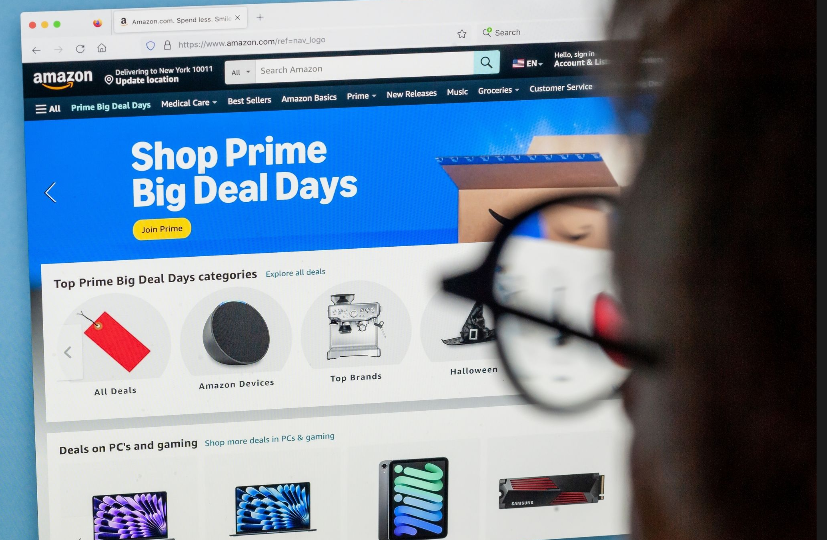
The recent Amazon Prime Big Deal Days event has added fresh momentum to this conversation. From laptops and tablets to smart home equipment, headphones and gaming accessories, the event once again highlighted how quickly consumer electronics can move from premium purchases to mainstream products when prices fall.
However, attractive discounts can also make it easy to buy something that was never really needed. For UK shoppers preparing for Christmas and the wider winter shopping season, understanding which categories are actually worth considering could be more valuable than chasing every headline deal.
Why UK Shoppers Are Becoming More Selective
The British technology market has changed considerably over the past few years. Consumers have become accustomed to frequent product launches, annual smartphone upgrades and increasingly sophisticated smart home devices.
At the same time, household budgets remain an important consideration. A product that costs several hundred pounds needs to offer more than a flashy specification sheet. Buyers want reliability, useful features and reasonable long-term ownership costs.
This is particularly important for portable electronics. A laptop, tablet, wireless speaker or gaming device may look impressive when first purchased, but its everyday usefulness depends heavily on factors such as battery life, charging behaviour, software support and build quality.
That is why the final quarter can be an excellent time to compare products rather than simply purchase the first discounted model.
Laptops Remain One of the Safest Technology Purchases
Laptops continue to occupy an important position in the UK consumer electronics market. Students, remote workers, freelancers and families all rely on portable computers for work, education, entertainment and communication.
The latest generation of laptops is also becoming more interesting because manufacturers are focusing on efficiency as much as raw performance. Modern processors can deliver strong everyday performance while consuming less power, making lightweight machines more practical for people who regularly work away from a desk.
For shoppers considering a new laptop during the final quarter, screen quality, keyboard comfort, storage and connectivity deserve as much attention as processor specifications.
Battery longevity is another major factor. A laptop that can comfortably survive a long train journey between London and Manchester is far more useful than one that requires a charger after only a few hours.
Consumers should therefore consider the entire ownership experience rather than focusing exclusively on benchmark scores.
Tablets Are Becoming More Versatile
Tablets are another category worth watching during the UK’s year-end shopping season. The line between a traditional tablet and a lightweight computer continues to become less obvious.
Large-screen tablets can now handle video streaming, web browsing, note-taking, document editing and creative tasks with surprising ease. Add a keyboard and stylus, and some models become capable productivity machines for users who do not require the full functionality of a desktop operating system.
For families, tablets can also serve multiple roles. They can become entertainment screens in the living room, study tools for children or portable displays for travel.
The key is choosing a model that matches the intended use. Spending extra money on professional-level performance may make little sense for someone who primarily watches Netflix, reads websites and checks email.
Smartphones Are Still the Centre of Digital Life
Despite the growing number of connected devices, the smartphone remains the centre of the digital ecosystem for most UK consumers.
A modern phone can replace a camera, navigation device, music player, payment card, gaming console and communication hub. This makes smartphone purchasing decisions particularly important.
The strongest deals are not always attached to the newest flagship. Last year’s premium model can sometimes offer a better balance between performance and price, particularly when a new generation has recently arrived.
Shoppers should also look beyond the headline camera megapixel count. Display quality, software support, charging speed, storage and long-term battery performance can have a much greater effect on everyday satisfaction.
For people keeping their phones for several years, durability and software updates may ultimately be more important than having the newest processor.
Wireless Audio Is Moving Beyond Basic Earbuds
Wireless earbuds and headphones have become another major part of everyday technology in Britain. Commuters use them on trains, gym-goers rely on them during workouts and many office workers use them for meetings.
Noise cancellation has become particularly popular because it can transform the experience of travelling through busy UK cities. Instead of treating headphones as simple music accessories, consumers increasingly see them as tools for concentration and communication.
The market is also becoming more diverse. Open-ear designs, clip-on earbuds and lightweight sports headphones are giving shoppers alternatives to traditional in-ear products.
When comparing these devices, comfort should be treated as seriously as sound quality. A pair of headphones with impressive specifications is not particularly useful if it becomes uncomfortable after 30 minutes.
Battery performance also deserves attention. Buyers should consider not only the advertised playback time but also charging-case capacity, charging speed and how performance changes over time.
Smart Home Devices Are Becoming More Practical
Smart home technology is another area receiving considerable attention from British consumers. Video doorbells, security cameras, smart speakers and connected lighting have moved beyond the early-adopter market.
The appeal is straightforward. A smart doorbell can show who is outside without requiring someone to approach the front door. A connected camera can provide remote monitoring. Smart lights can be controlled from a phone or automated according to a schedule.
However, convenience needs to be balanced against privacy.
UK shoppers should understand how a device stores video, where data is processed and which accounts are required. Security settings should also be reviewed before a connected camera is installed.
For products that operate continuously, energy consumption and long-term reliability are equally important. A connected device that is expected to remain active around the clock needs dependable hardware rather than simply an attractive launch price.
Gaming Hardware Remains a Major Attraction
Gaming continues to influence the British consumer electronics market, particularly as new hardware, displays and accessories compete for players’ attention.
The latest consoles and gaming PCs offer impressive graphics, while high-refresh-rate monitors are increasingly common among serious players. Accessories such as wireless controllers, headsets and charging stations can also significantly improve the gaming experience.
Yet gaming shoppers should resist the temptation to buy based purely on specifications.
A 4K display may be unnecessary for someone who mainly plays casual games. Likewise, an extremely high refresh rate may offer limited practical value unless the user’s hardware can produce enough frames per second to take advantage of it.
The best purchase is usually the one that matches the games being played and the equipment already owned.
The Hidden Importance of Power and Longevity
One of the most overlooked parts of consumer technology is the power system behind it. Consumers often spend hours comparing processors, displays and cameras while paying far less attention to how a product will behave after hundreds of charging cycles.
This matters because portable electronics are only as useful as their ability to operate away from a power socket.
A shopper considering headphones, a tablet, laptop or gaming accessory should therefore look at expected runtime, charging speed and battery replacement considerations. Searching for information about consumer electronics battery technology can help buyers understand why two devices with similar specifications may deliver very different real-world experiences.
Battery efficiency has also become increasingly important as consumers try to reduce unnecessary charging and extend the useful life of their devices.
What Makes a Technology Deal Worth Buying?
A large discount does not automatically mean a good deal.
Before purchasing, UK shoppers should ask several simple questions. Is the product genuinely needed? Is it replacing an old device or simply adding another gadget to the household? Does the discounted model still receive software updates? Are accessories included? What happens if the product develops a fault?
Warranty and after-sales support should also be considered. A slightly more expensive device from a retailer with dependable customer service can sometimes provide better value than the cheapest listing available online.
Buyers should also compare the historical pricing of a product. Some promotional campaigns create a strong sense of urgency, but consumers may discover that the advertised saving is smaller than it initially appears.
Sustainability Is Becoming Part of the Buying Decision
Environmental concerns are increasingly influencing technology purchases in Britain. Consumers are becoming more aware of electronic waste and the consequences of replacing devices too frequently.
Choosing a durable product can therefore be more sustainable than repeatedly purchasing cheaper alternatives.
Repairability is another consideration. If a device has replaceable components or receives long-term software support, it may remain useful for considerably longer.
Battery longevity plays an important role here too. When the power capacity of a portable device declines significantly, the entire product can feel obsolete even when its processor and display remain perfectly capable.
Understanding consumer electronics battery performance is therefore not just about convenience. It can also help shoppers decide whether a device is likely to remain useful for several years.
Christmas Shopping Could Keep Demand High
The period following major October sales events traditionally leads into the UK’s Christmas shopping season, meaning demand for consumer technology is unlikely to disappear quickly.
Gift buyers will be looking at headphones, tablets, smartwatches, gaming accessories and smart home products, while households may use seasonal promotions to replace ageing laptops and smartphones.
This creates an opportunity for manufacturers and retailers, but it also means consumers will face a huge number of competing offers.
The smartest strategy is to decide what is actually needed before opening a retailer’s website. Having a shortlist makes it easier to recognise a genuinely useful discount and ignore products that are simply heavily promoted.
The Best Gadget May Be the One You Keep Longest
Technology shopping in the final quarter of 2026 is less about owning the newest device and more about choosing technology that fits real life.
A powerful laptop can be worthwhile for someone who works remotely. A high-quality pair of headphones can transform a daily commute. A smart doorbell can add convenience to a busy household, while a tablet can become a useful family entertainment and productivity device.
The most valuable products are often those that solve a recurring problem rather than those with the longest specification list.
As British consumers become more careful with technology spending, longevity, reliability and power efficiency are likely to become increasingly important. Looking beyond the launch excitement and considering the complete ownership experience can make a significant difference.
For shoppers researching their next purchase, consumer electronics battery performance should be one of several factors considered alongside software support, durability, repairability and overall value.
The final quarter of 2026 could bring plenty of tempting technology deals across the UK. But the biggest saving may not come from finding the lowest price. It may come from choosing a product that remains useful long after the promotional banners have disappeared.