Why Smart Golf Watches Are Gaining Attention in the UK
Golf technology is becoming an increasingly important part of the modern game, and British golfers are showing growing interest in devices that combine traditional course knowledge with digital precision. From weekend rounds at local clubs to competitive tournaments across England, Scotland, Wales and Northern Ireland, players are looking for practical ways to improve their performance without making the game unnecessarily complicated.
Garmin has established a strong presence in the sports technology market through its GPS watches, fitness trackers and specialised golf devices. Its Approach range is designed for players who want access to course information, distances and performance data directly from their wrists. As golfers become more familiar with digital tools, the appeal of wearable technology extends beyond professional players to beginners, club members and occasional golfers.
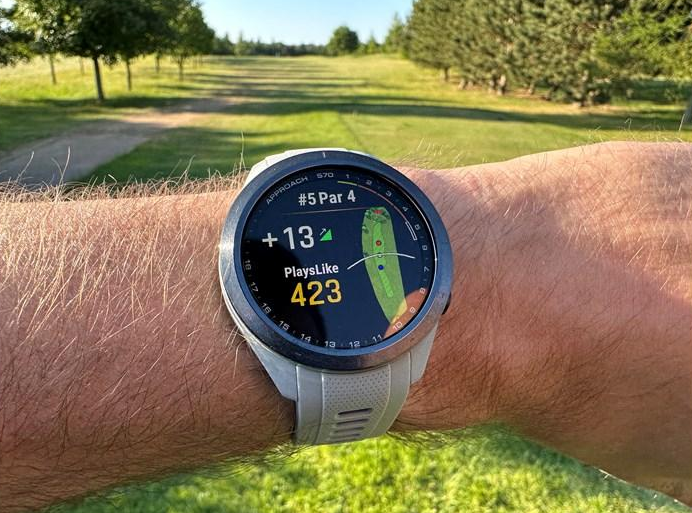
The Garmin Approach S72 is a useful starting point for discussing this wider trend. Golf watches illustrate how compact electronics can bring together location tracking, sports data and everyday convenience. However, golfers considering a new device should distinguish between confirmed product specifications and features announced for future models. Checking the manufacturer’s latest product information is essential before making a purchase.
How GPS Technology Is Changing the Way Golfers Play
For generations, golfers relied on yardage markers, course maps and their own experience to estimate distances. These methods remain valuable, but GPS technology offers another source of information that can help players make more informed decisions.
A golf GPS watch can display distances to important points on a hole, including the front, middle and back of a green, depending on the model and available course data. This information helps players select a suitable club and consider how far they can realistically hit the ball. Instead of guessing from a fairway marker, a golfer can consult the watch and combine the displayed distance with personal experience.
This convenience is particularly useful on unfamiliar courses. The UK has an extraordinary variety of golf environments, from traditional links courses along the Scottish coastline to parkland layouts in the English countryside. Wind, elevation, rough and changing ground conditions can all affect a shot. A GPS reading cannot account perfectly for every variable, but it gives players a useful starting point.
Digital course information can also make a round more accessible for newer golfers. Beginners may struggle to judge distances consistently, especially when playing a course for the first time. A clear display can reduce uncertainty and help them concentrate on technique, pace and decision-making.
Nevertheless, technology should support rather than replace judgement. Reading the weather, understanding the lie of the ball and recognising personal limitations remain essential skills. The best golf watch is one that makes useful information easy to understand without distracting players from the game.
What Makes a Golf Watch Different From a Standard Smartwatch?
A conventional smartwatch is generally designed for a broad range of everyday activities. Notifications, music controls, fitness tracking and mobile connectivity may be its main attractions. A golf-focused wearable, by comparison, prioritises information that is directly relevant to playing a round.
Depending on the device, golf-specific functions may include course maps, shot tracking, scorekeeping, hazard distances and statistics that help users identify strengths and weaknesses. Some watches can also connect with compatible smartphone applications, allowing golfers to review their rounds after leaving the course.
This distinction matters because golfers have different needs. Someone who plays once a month may prefer a straightforward device that provides essential distances and a reliable battery. A frequent club competitor might value detailed statistics and integration with other training tools.
The physical design is equally important. A golf watch needs to be comfortable throughout several hours of movement, easy to read outdoors and simple to operate while wearing golf gloves. Buttons, touchscreen responsiveness and display visibility can influence the experience as much as the number of available features.
Buyers should also consider whether they want a dedicated golf device or a multisport watch that supports running, cycling, walking and general fitness. A broader device may provide better everyday value, particularly for golfers who want one wearable for both exercise and leisure.
Battery Life Matters During Long Days on the Course
Battery performance is one of the most practical considerations when choosing a golf smartwatch. A typical round can last several hours, and some players spend much of the day at the club, combining practice, playing and social activities. A watch that needs frequent charging can become inconvenient, particularly when GPS tracking is used extensively.
Actual endurance depends on several factors, including the device model, battery condition, screen settings, GPS configuration, connected sensors and notification frequency. Manufacturers may publish different estimates for ordinary smartwatch use and GPS-intensive activities. These figures should be compared carefully rather than treated as interchangeable.
Golfers who regularly play 18 holes should look beyond headline battery claims. They should consider whether the watch can comfortably complete a round while retaining enough charge for travel, evening activities and the following day’s plans.
Long-term battery performance also deserves attention. Rechargeable lithium-ion batteries gradually lose capacity through normal use and ageing. Over time, a watch that once lasted through several activities may require more frequent charging. Temperature extremes, charging habits and the frequency of demanding GPS sessions can also influence the user experience.
When a device begins to run out of charge much sooner than expected, checking software updates, GPS settings and background functions is a sensible first step. If performance remains poor, the user should consult Garmin’s support guidance or an authorised service provider to determine whether the battery or another component requires attention.
For owners researching replacement options, the phrase Garmin smartwatch battery is relevant when investigating compatible parts or understanding how battery performance may affect the useful life of a wearable. Compatibility should always be checked against the exact model rather than assumed from the brand name alone.
The Importance of Course Maps and Accurate Distance Information
A golf watch becomes much more useful when its course information is accurate and easy to interpret. Many golfers play at different venues throughout the year, particularly during holidays or club visits. Reliable course mapping can help them prepare for unfamiliar holes and make decisions more confidently.
Course data may identify greens, bunkers, water hazards and other important features, although the available detail varies by device and software. Players should confirm that their chosen model supports the courses they regularly visit and understand whether updates require a connected phone, Wi-Fi or another method.
In Britain, changing weather can make course management especially challenging. A strong coastal wind may turn a normally comfortable approach into a demanding shot, while wet fairways can affect how far the ball rolls. GPS information provides a distance reference, but players must still adjust for the conditions.
Golfers should also remember that a watch is not a substitute for observing the course. Temporary course changes, maintenance work and unusual playing conditions may not be reflected immediately in digital maps. Combining technology with awareness remains the most reliable approach.
For players who enjoy analysing their rounds, historical data can offer additional value. Reviewing missed fairways, approach distances and putting performance may reveal patterns that are difficult to notice during play. Over several rounds, these insights can help golfers identify which parts of their game deserve more practice.
Smartwatch Connectivity and Everyday Convenience
The appeal of a golf wearable does not necessarily end when the final putt drops. Many modern sports watches combine activity tracking with everyday smartwatch functions, although the precise capabilities depend on the model.
Depending on compatibility and settings, users may receive smartphone notifications, monitor daily activity and review exercise information. These features can make a golf watch useful for walking, gym sessions and other activities throughout the week.
However, more connectivity can also mean more distractions. Golfers who prefer a quiet round may choose to disable notifications or use a dedicated activity profile. Doing so can create a more focused experience while potentially reducing unnecessary power consumption.
Smartphone connectivity also introduces practical considerations. Users should check which phones and operating systems are supported, whether the necessary applications are available and whether particular functions require an active connection. Not every feature advertised within a product family will necessarily be available on every device.
Privacy is another consideration. Sports applications can collect location and activity information, so golfers should review account permissions and sharing settings. Those who participate in club competitions may also need to understand the rules governing electronic devices and the use of distance-measuring functions.
Choosing the Right Garmin Watch for Your Playing Style
The best golf watch depends on how often someone plays and which features matter most. A casual golfer may benefit from straightforward distance measurements, an easy-to-read screen and minimal setup. A regular player may prefer more comprehensive course data and performance analysis.
Before purchasing, buyers should compare several practical factors.
First, examine battery endurance in the mode that matters most. A manufacturer’s general smartwatch estimate may differ substantially from its GPS activity estimate. Look for information about demanding use rather than relying on a single maximum figure.
Second, consider comfort and durability. A watch should feel secure during a swing without interfering with movement. Screen visibility, water resistance and control placement can be especially important when playing in unpredictable British weather.
Third, investigate software support. Course updates, compatible applications and firmware improvements may influence the experience over the life of the device. Buyers should establish whether the model continues to receive the support they expect.
Finally, compare the price with actual usage. A feature-rich watch may be worthwhile for someone who plays several times each week, but unnecessary for a golfer who visits the course only occasionally. A simpler model can deliver better value when it covers the essential requirements.
Extending the Useful Life of a Golf Smartwatch
Looking after a wearable can help maintain its performance and reduce avoidable inconvenience. After a round, users should follow the manufacturer’s cleaning instructions, especially if the watch has been exposed to sweat, sunscreen, sand or muddy conditions.
Charging equipment should be kept clean and dry, and the watch should be charged according to the manufacturer’s recommendations. Users should avoid exposing the device to excessive heat, including leaving it in a hot car for extended periods. Extreme temperatures can affect battery performance and may contribute to long-term deterioration.
Software maintenance is equally important. Installing appropriate updates can address bugs, improve compatibility and resolve certain problems that appear to be related to battery consumption. If battery life suddenly changes after an update, users can check settings and support documentation before concluding that the battery itself has failed.
When researching a Garmin smartwatch battery for an older device, buyers should confirm the precise model number, connector design, voltage and other relevant specifications. Similar-looking watches can use different internal components, and an incorrectly selected battery may be unsuitable or unsafe. Opening a sealed wearable can also compromise water resistance and damage delicate components.
For this reason, professional assessment is often preferable when a watch is still under warranty or requires specialised tools. Repair costs should be compared with the price of a newer device, particularly when software support or other hardware components are also approaching the end of their useful life.
What the Future Holds for Golf Wearables in Britain
Golf technology is likely to continue developing around convenience, better data presentation and integration with broader fitness ecosystems. Future devices may offer more personalised training insights, improved interfaces and increasingly seamless connections between watches, smartphones and coaching applications.
Artificial intelligence could also influence how sports data is interpreted. Rather than simply presenting statistics, future systems may help users identify recurring patterns in their performance and suggest areas for practice. The usefulness of these features will depend on data quality, transparent explanations and whether recommendations genuinely help players improve.
Battery efficiency will remain central to the experience. More advanced displays, sensors and connected functions can increase energy demands, making efficient hardware and intelligent power management important design priorities. Golfers will continue to value devices that remain dependable throughout a full day of activity.
The market will also need to balance innovation with accessibility. Not every player wants a complicated wearable or an expensive subscription. Straightforward controls, understandable statistics and reliable essential functions may prove just as important as advanced features.
As the technology develops, existing owners will also want to keep their devices useful for longer. Understanding charging behaviour, recognising normal battery ageing and choosing compatible replacement components can help consumers make more informed decisions about repair and replacement.
Final Thoughts on Golf Smartwatches and Battery Performance
Golf smartwatches demonstrate how wearable technology can make a traditional sport more data-driven without removing its essential human elements. GPS distances, course maps and performance statistics can help British golfers prepare more effectively, but experience, strategy and an understanding of local conditions remain indispensable.
For anyone considering a Garmin golf wearable, the smartest purchase is not necessarily the model with the longest feature list. It is the device that fits their playing habits, offers useful information, remains comfortable throughout a round and provides dependable battery performance.
Owners should also treat battery health as part of the overall ownership experience. Sensible charging practices, software maintenance and professional support when necessary can help extend a watch’s useful life. When a replacement becomes necessary, model-specific compatibility and safe installation matter more than choosing a component based on appearance alone.
Ultimately, the future of golf technology in the UK will depend on how well devices solve real problems on the course. A watch that delivers clear information, dependable operation and meaningful insights can be a valuable companion from the first tee to the final green.