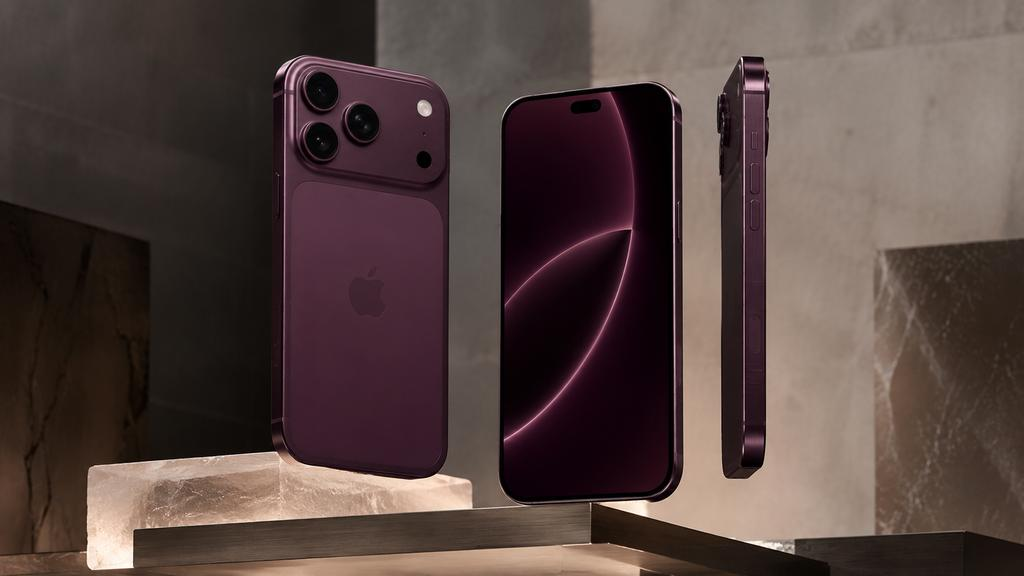
A New Flagship for Britain’s Smartphone Market
The UK smartphone market is entering another exciting period, with consumers expecting more from premium devices than ever before. A flagship phone must deliver excellent photographs, reliable performance, a bright display and enough battery life to survive a demanding day without constantly searching for a charger. Against this backdrop, the iPhone 18 Pro Max is an interesting subject for anyone considering their next upgrade.
For British consumers, the appeal of a premium iPhone extends beyond specifications. It is about how well the device fits into everyday life, from navigating London on public transport and capturing a weekend in the Lake District to managing work messages, streaming programmes on a train and taking photographs during a family holiday.
However, expectations should be separated from confirmed product information. Buyers should check Apple’s official UK announcements and specifications before making a purchase, particularly when details about a new model’s camera system, battery capacity and charging performance remain unverified. The most useful approach is to examine the features that matter most and understand what to look for when evaluating the iPhone 18 Pro Max.
Camera Performance Could Make the Biggest Difference
For many people, the camera is the main reason to consider a flagship smartphone. Dedicated cameras remain valuable for specialist photography, but a premium phone offers something different: a capable camera that is always within reach.
British life provides countless opportunities to put smartphone photography to the test. A sunny afternoon along Brighton beach presents different challenges from a rainy walk through Edinburgh’s Old Town. Meanwhile, busy Christmas markets, dimly lit restaurants and evening concerts require a camera that can handle changing light without producing blurry or overly processed images.
When evaluating the iPhone 18 Pro Max, prospective buyers should pay attention to low-light performance, portrait quality, optical zoom, stabilisation and colour reproduction. These characteristics often matter more in everyday use than a single headline megapixel figure.
Video is equally important. Families may want smooth footage of children playing, while independent creators need dependable recording for social media, product demonstrations and travel videos. Effective stabilisation and natural-looking skin tones can make a substantial difference, particularly when filming handheld.
Computational photography also deserves attention. Modern smartphones combine information from multiple exposures to improve detail, manage highlights and preserve shadow information. The results can be impressive, but aggressive processing sometimes makes photographs look artificial. The best camera system is not necessarily the one that produces the most dramatic image; it is the one that consistently captures the scene as the photographer remembers it.
Battery Life Matters More Than Impressive Numbers
Even an outstanding camera becomes less useful when the phone runs low on power halfway through the day. Battery endurance is therefore one of the most important considerations for anyone shopping for a premium smartphone in Britain.
Consider a typical weekday. A commuter might check train times, use navigation, listen to music, answer emails, join video calls and browse social media before returning home. At weekends, the same device might spend hours recording videos, taking photographs and guiding its owner through unfamiliar streets.
These activities place different demands on a phone’s power system. Navigation uses location services and can keep the display active, while gaming and video recording may increase processor activity and heat. Mobile signal strength also matters: a phone working in an area with weak reception may consume more power as it attempts to maintain a connection.
Anyone researching an iPhone battery should therefore look beyond capacity alone. Real-world endurance depends on a combination of hardware efficiency, software optimisation, screen brightness, network conditions and individual usage habits.
For UK shoppers, independent battery tests are especially useful when comparing flagship models. Ideally, a review should include a mixture of web browsing, video playback, photography, navigation and standby time rather than relying on a single continuous video test. Such comparisons provide a more realistic picture of how a device might perform during a normal working day.
Display Quality and Everyday Comfort
A large premium display is useful for much more than entertainment. It can make maps easier to read, documents more comfortable to review and photographs more enjoyable to edit. For people who regularly work from their phones, screen quality can directly influence productivity.
Brightness is particularly relevant in Britain, where outdoor conditions can change quickly. A screen that remains readable in direct sunlight is helpful during summer travel, outdoor events and sightseeing. At the other end of the spectrum, effective brightness control and comfortable viewing settings matter when using a phone late at night.
Refresh rate is another feature worth considering. A high-refresh-rate display can make scrolling, animations and compatible games feel smoother. However, buyers should also consider power efficiency. A beautiful display that consumes excessive energy may undermine one of the most important benefits of a premium phone: dependable all-day use.
Screen size also involves a practical compromise. A larger device offers more room for videos, maps and multitasking, but it can be harder to operate with one hand or fit comfortably into a smaller pocket. Anyone upgrading from a compact handset should try a similarly sized device before committing to a purchase.
Charging Habits and Long-Term Battery Health
A smartphone should remain useful for years, not merely through its first few months. That makes long-term battery health an important part of the buying decision.
Rechargeable batteries gradually lose capacity as they age. The rate of deterioration varies with temperature, charging patterns, usage intensity and the number of charge cycles. Over time, a phone that once comfortably lasted until bedtime may require a top-up in the afternoon.
There is no need to become obsessed with charging percentages. Instead, users can adopt straightforward habits that reduce unnecessary battery stress. Avoid leaving a phone in a hot car, keep it away from direct heat while charging and use charging accessories that meet the manufacturer’s safety and compatibility requirements.
Optimised charging features can also help manage the time a device spends at a full charge. Their exact behaviour depends on the model and software settings, so owners should consult the relevant Apple guidance rather than assuming every iPhone behaves identically.
When comparing phones, check whether battery-health information is available and understand the manufacturer’s support arrangements. Battery replacement can sometimes extend the useful life of a handset considerably, making it a worthwhile consideration for consumers who prefer to keep their devices for several years.
Performance for Work, Gaming and AI Features
A flagship smartphone must also handle demanding applications without becoming frustrating to use. Fast app launches, smooth multitasking and responsive gaming contribute to the overall experience, although performance claims should be supported by verified specifications and independent testing.
For professionals, a powerful phone can simplify daily tasks. It may be used to edit documents, join meetings, review presentations, manage calendars and authenticate access to work services. A reliable connection and good microphone quality can be just as important as benchmark results.
Gaming presents a different challenge. Graphics-intensive games place sustained demands on the processor, graphics hardware and thermal system. Performance during a short benchmark does not necessarily reflect what happens after an hour of play. Temperature, frame-rate consistency and power consumption should all be considered.
AI-powered features are another area attracting attention across the smartphone industry. Depending on the capabilities supported by the device and the software available in the UK, these features may assist with writing, image editing, transcription and everyday organisation. Buyers should verify language support, regional availability, privacy controls and any additional subscription requirements before treating a feature as a decisive reason to upgrade.
Is Upgrading Worth the Money?
Premium smartphones are expensive purchases, and the newest model is not automatically the best value for every household. The right decision depends on the age of the existing phone, its condition and the benefits the buyer expects from an upgrade.
Someone using an older iPhone with a deteriorating battery, limited storage or an unsatisfactory camera may notice a meaningful improvement from a newer device. By contrast, someone whose current phone already performs well may gain relatively little from upgrading immediately.
Before buying, compare the total cost rather than the advertised monthly payment alone. UK shoppers should examine SIM-free prices, contract terms, data allowances, trade-in offers and the overall amount payable over the agreement. It is also worth comparing last-generation models, which may provide many of the same everyday benefits at a lower price.
Storage deserves particular attention. High-resolution photographs and long video recordings can consume substantial space, especially for people who create content regularly. Choosing sufficient storage at the outset may be more economical than paying for a higher tier later or relying entirely on cloud storage.
The condition of an existing phone should influence the calculation too. If the principal complaint is reduced endurance rather than poor performance, investigating battery replacement may be more sensible than purchasing an entirely new handset.
What UK Buyers Should Check Before Purchasing
A careful shopping checklist can prevent disappointment. First, confirm the official specifications and availability of the model through reliable sources. Do not rely solely on leaked specifications, unofficial social media posts or retailer pages that may have been published before final product details were confirmed.
Second, look for independent reviews that measure camera performance and battery endurance under repeatable conditions. A convincing review should explain its testing method and distinguish measured results from subjective impressions.
Third, consider practical details such as device weight, screen size, storage capacity, charging compatibility, warranty coverage and repair options. These factors can have a greater effect on long-term satisfaction than small differences in processor speed.
Finally, think about the way the phone will actually be used. A photography enthusiast may prioritise zoom and video quality, whereas a commuter might care more about battery endurance, screen readability and dependable connectivity. A parent may value storage and simple photo sharing, while a mobile gamer may focus on sustained performance and heat management.
The Verdict: Focus on Real-World Improvements
The iPhone 18 Pro Max represents the kind of premium smartphone proposition that attracts attention from consumers seeking better photography, faster performance and a more capable everyday device. Yet the smartest buying decision depends on verified improvements, not excitement surrounding a new product name.
For British buyers, camera quality and battery endurance should be assessed together. Better photography is valuable, but frequent recording and demanding camera use can also increase power consumption. A balanced review should establish whether the phone can deliver the experience people want without requiring constant charging.
It is equally important to consider longevity. A premium handset that remains fast, receives software support and can be maintained responsibly may offer better long-term value than a cheaper device that needs replacing sooner. Checking battery-health information, understanding replacement options and adopting sensible charging habits can all contribute to a longer useful life.
Anyone researching an iPhone battery should compare real-world test results, charging behaviour and long-term maintenance costs alongside camera specifications. This broader approach helps buyers distinguish genuine improvements from marketing claims.
Ultimately, the best flagship phone is not simply the one with the most impressive specification sheet. It is the one that reliably captures important moments, keeps up with everyday responsibilities and remains comfortable to use throughout its lifespan. By checking official information, reading credible independent reviews and comparing the full cost of ownership, UK consumers can make a more confident decision about whether the iPhone 18 Pro Max deserves a place in their pocket.