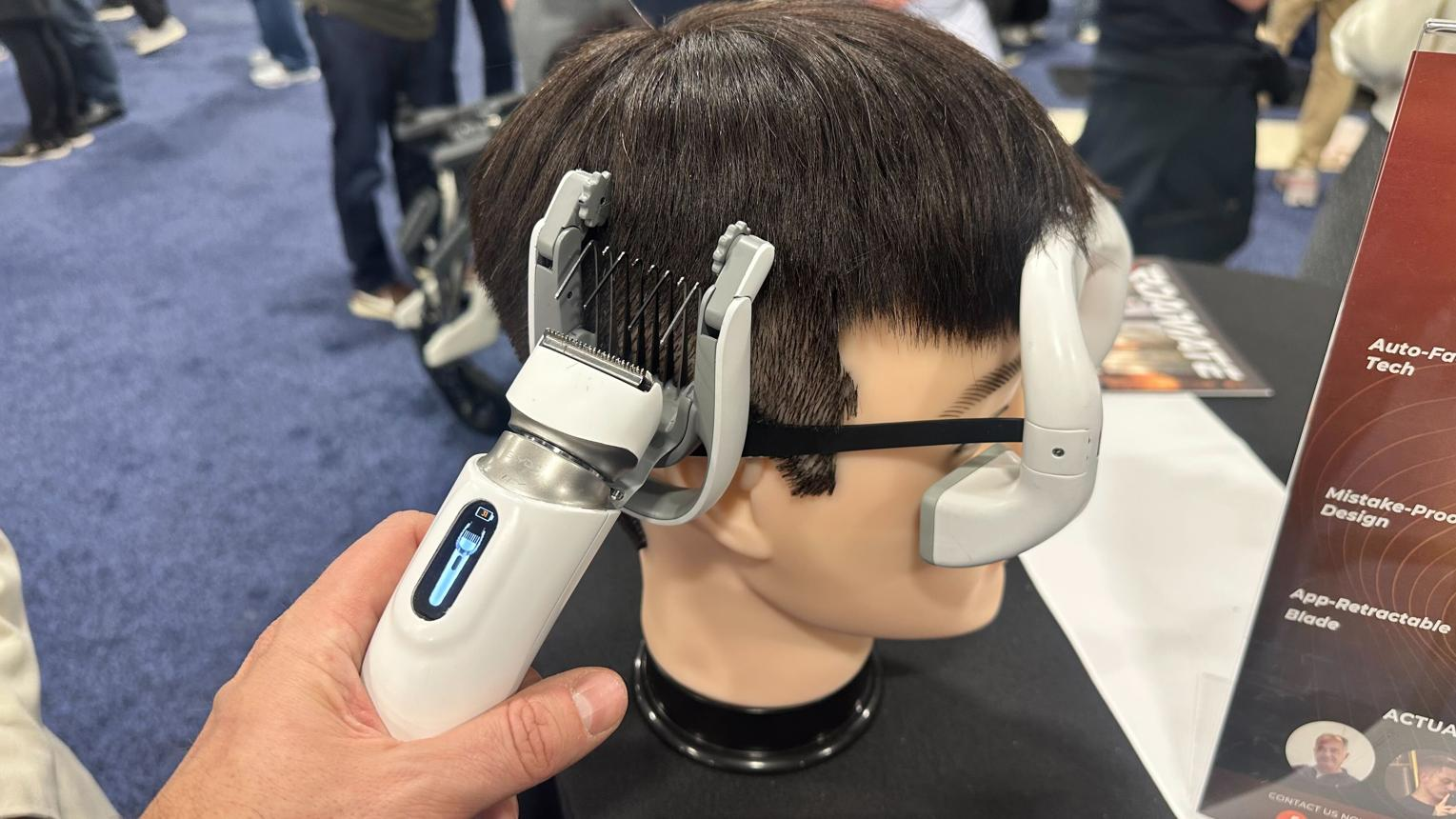
A New Era of Smarter Home Grooming
Imagine standing in front of your bathroom mirror, holding a pair of electric hair clippers. Instead of worrying about cutting too much hair from one side or creating an uneven fade, you simply select the hairstyle you want on your smartphone. A digital assistant analyses your hair, recommends the right cutting length and guides you through every movement. The clippers even adjust their performance to help you achieve a more consistent result.
This might sound like something from a futuristic science-fiction film, but artificial intelligence is gradually finding its way into everyday consumer products. From smart watches and robotic vacuum cleaners to AI-powered cameras, technology is making ordinary household activities more convenient. Hair grooming could be another area ready for a technological transformation.
In the United Kingdom, home grooming remains an attractive option for people who want to save time, manage their appearance and avoid unnecessary trips to the barber. Whether someone prefers a traditional short back and sides, a fashionable fade or a simple buzz cut, modern grooming equipment offers more possibilities than ever.
The next question is whether artificial intelligence could make home haircuts considerably easier, even for people who have never used professional barbering equipment.
Why Home Haircuts Are Becoming More Appealing
For many British households, convenience plays an important role in purchasing decisions. Busy working schedules, family responsibilities and the rising cost of everyday services encourage consumers to look for practical ways to manage routine expenses.
A visit to a barber is still an important part of many people’s grooming routines. Professional hairdressers provide experience, precision and personalised advice that are difficult to reproduce at home. However, not everyone needs a complete haircut every few weeks. Some people simply want to tidy their sides, shorten their hairline or maintain a particular style between appointments.
This is where electric hair clippers become useful.
A cordless clipper allows users to move freely around a bathroom or bedroom without worrying about a power cable. Different guide combs provide various cutting lengths, while adjustable blades help users maintain more precise styles.
British consumer technology publications have also highlighted the appeal of modern cordless grooming products. Reviews of current hair clippers increasingly consider battery life, charging convenience, cutting performance and ease of handling alongside traditional factors such as blade quality.
For example, lithium-ion-powered models can offer a useful balance between operating time and charging efficiency. Some products provide more than an hour of cordless use, making them suitable for routine grooming sessions.
These developments create an interesting opportunity for manufacturers: combining reliable electric grooming equipment with intelligent digital assistance.
How Could AI-Powered Hair Clippers Actually Work?
The most exciting possibility is that future AI-powered clippers could help users make better decisions before the blades even touch their hair.
A connected smartphone application might begin by taking photographs of the user’s head from different angles. Computer vision technology could then analyse hair length, density, growth direction and the general shape of the hairstyle.
Based on this information, the application could recommend suitable cutting options.
For example, someone with thick hair might receive different recommendations from someone with fine or naturally curly hair. The software could also suggest how much length to remove from particular areas to create a more balanced appearance.
A beginner hoping to achieve a fade could follow a step-by-step visual guide. Instead of remembering several cutting measurements, the user might see which guide comb to attach and which section to trim next.
More advanced systems could potentially use sensors to monitor movement, detect excessive pressure and provide feedback when the clipper moves too quickly. Some future designs might even adjust motor performance according to the resistance experienced by the blades.
These features would not automatically make everyone a professional barber. Hair cutting still requires judgement, coordination and an understanding of different hairstyles. Nevertheless, intelligent guidance could reduce some of the uncertainty associated with DIY grooming.
The Smartphone Could Become Your Personal Barbering Assistant
One of the biggest advantages of connected grooming equipment could be its relationship with smartphones.
Most people already use mobile applications to organise their schedules, track exercise and control smart home devices. A grooming application could become another useful part of this digital lifestyle.
Imagine opening an app and choosing between several popular hairstyles. A virtual preview could show how a particular cut might look before the user starts trimming.
The application could also remember previous grooming sessions. If someone regularly maintains a short hairstyle, the software might suggest when a simple touch-up is needed.
Another interesting possibility is personalised haircut tutorials. Rather than watching a general video that demonstrates a style on someone with completely different hair, users could receive instructions adapted to their own needs.
For example, a person maintaining a short fade might receive reminders to use longer guards near the upper sides and shorter guards closer to the ears.
This type of assistance could make grooming more approachable for younger users who enjoy experimenting with their appearance but have limited experience with traditional barbering techniques.
However, smartphone integration should remain simple. Nobody wants to spend twenty minutes configuring an application before completing a five-minute haircut.
Why Battery Technology Matters More Than People Think
Smart features might attract attention, but the everyday performance of cordless grooming equipment still depends heavily on its power supply.
A clipper that offers impressive digital features is not particularly useful if it runs out of power halfway through a haircut. Battery reliability is therefore an essential consideration for both ordinary users and professional barbers.
A dependable hair clipper battery needs to provide sufficient energy for the motor while maintaining consistent performance throughout a grooming session.
Lithium-ion technology is particularly relevant because of its combination of energy density, relatively low weight and rechargeable convenience. These characteristics make it suitable for compact grooming equipment that needs to remain comfortable to hold.
Charging time is another important factor. A quick-charge function could be particularly useful for someone who discovers that their clipper has insufficient power just before an important meeting or social occasion.
Future intelligent grooming devices could also monitor battery condition through connected software. An application might display remaining charge, estimate available operating time and notify users when charging is necessary.
For professional barbers, reliable power becomes even more important. A busy shop may use several clippers throughout the day, making predictable operating time and convenient charging essential.
The development of a better hair clipper battery could therefore influence the entire user experience, not simply how long a device remains switched on.
Could AI Help Beginners Avoid Common Haircutting Mistakes?
One reason many people hesitate to cut their own hair is the fear of making an obvious mistake.
A slightly uneven side, an excessively short fringe or an incorrectly blended fade can change the appearance of an entire haircut. Without professional experience, it can be difficult to recognise these problems before they become noticeable.
AI guidance could help address some of these challenges.
A future grooming system might provide a digital map of the user’s head, dividing it into sections with different recommended cutting lengths. The application could then guide the user through the process in a logical order.
Visual warnings might appear if someone selects a much shorter cutting length than intended. Other prompts could remind beginners to check both sides regularly to maintain symmetry.
Camera-based progress tracking could provide another useful feature. Users might take photographs before and after trimming, allowing the application to identify areas that may require additional attention.
Nevertheless, AI recommendations should be treated as guidance rather than guaranteed professional results. Lighting conditions, camera angles, hair texture and individual styling preferences can all affect the accuracy of digital analysis.
A good system should make users more confident without encouraging them to remove too much hair.
The Opportunity for British Barbers and Grooming Businesses
It might seem that smarter home grooming devices would threaten traditional barber shops. In reality, the relationship could be more complicated.
Professional barbers offer services that go far beyond simply shortening hair. They understand facial proportions, hair texture, personal preferences and the techniques needed to create distinctive styles.
AI-powered equipment could support these professionals rather than replace them.
For instance, a barber might use digital hairstyle previews to help customers understand different styling options. A connected device could also store preferred cutting lengths, making regular appointments more consistent.
Professional grooming businesses could introduce technology demonstrations, offer advice about suitable home equipment and recommend simple maintenance routines between visits.
There may also be opportunities for smaller independent barbers to build stronger relationships with customers through digital booking systems and personalised grooming recommendations.
In the British market, where traditional barbering culture exists alongside modern fashion and lifestyle trends, combining personal service with useful technology could become an appealing business approach.
The most successful products will probably be those that improve practical results rather than simply adding fashionable digital features.
What Features Would British Consumers Actually Want?
Although AI technology can introduce impressive possibilities, consumers are unlikely to pay more simply because a product has an artificial intelligence label.
Practical benefits will matter much more.
First, cutting performance must remain reliable. Sharp blades, a powerful motor and useful guide combs are fundamental requirements. Without these basics, advanced software cannot compensate for poor results.
Second, the device should be comfortable to use. A lightweight design, balanced grip and manageable vibration can make a significant difference, especially during longer grooming sessions.
Third, cleaning and maintenance should be straightforward. Hair can accumulate around moving components, so removable or washable parts may be valuable features, depending on the manufacturer’s design.
Fourth, cordless operation needs to be dependable. Consumers should be able to understand charging requirements and expected running time without complicated instructions.
Finally, privacy deserves attention. If a grooming application collects photographs of users’ faces or heads, manufacturers should clearly explain how those images are processed, stored and protected.
For British consumers who are increasingly familiar with connected devices, transparent data policies could become an important part of product selection.
Will Smart Hair Clippers Become Another Popular Household Gadget?
The future of AI-powered grooming equipment will depend on whether manufacturers can turn interesting ideas into genuinely useful products.
There are several possible directions for development. Entry-level models could offer basic digital tutorials, while premium devices might combine sensors, connected applications and personalised styling recommendations.
Some products may focus on helping beginners maintain simple hairstyles. Others could target professional barbers who want more precise control over their equipment and better information about usage.
However, there are practical challenges to overcome. Advanced sensors can increase manufacturing costs, while additional electronics may make devices heavier or more complicated. AI systems also need reliable data and carefully designed interfaces to provide meaningful assistance.
Another consideration is durability. Grooming equipment is exposed to hair, dust, moisture and frequent handling. Manufacturers will need to ensure that technological additions do not compromise the reliability of the basic cutting mechanism.
Power efficiency will be equally important. Adding wireless connectivity, cameras or other electronic components could increase energy consumption, making battery optimisation a priority.
A well-designed hair clipper battery will remain an important part of this development, especially if future devices combine powerful motors with more sophisticated electronic features.
A Smarter Haircut Could Be Closer Than It Seems
AI-powered hair clippers represent an interesting meeting point between personal care and consumer electronics. Although fully automated home barbering is not yet an everyday reality, existing developments in computer vision, mobile applications and smart sensors provide a foundation for more intelligent grooming experiences.
For British households, the appeal is easy to understand. People want products that save time, offer flexibility and help them feel confident about their appearance.
For manufacturers, the challenge is to create equipment that combines traditional cutting performance with genuinely useful digital assistance.
Perhaps the most exciting future is not one in which robots completely replace barbers. Instead, it could be one where professional expertise, intelligent software and convenient home devices work together.
The next time someone picks up a pair of clippers before a weekend outing, they might not need to rely entirely on guesswork. A little digital guidance could help them achieve a cleaner, more confident look.
And if that happens, the humble hair clipper could become one of the more surprising examples of how artificial intelligence is changing everyday life.