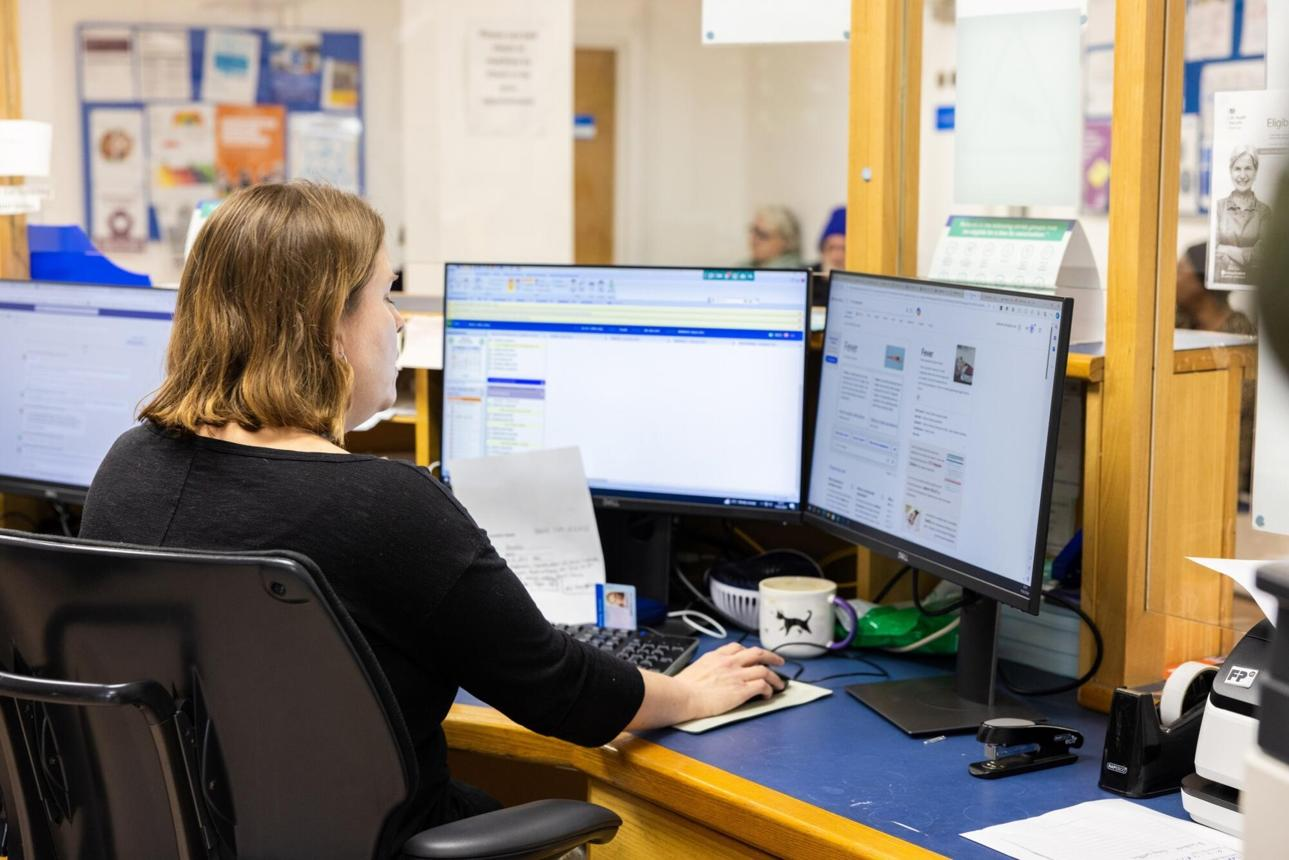
The NHS Is Moving Towards Digital Healthcare
Booking an appointment with a general practitioner (GP) has long been a familiar part of everyday life in Britain. For years, patients would telephone their local surgery early in the morning, wait in a queue and hope to secure a convenient appointment. However, the traditional process has increasingly been replaced by online consultation forms, digital booking platforms and services accessed through the NHS App.
The change is part of a wider effort to modernise the National Health Service (NHS) and make primary care more accessible. In England, GP practices have been required since 1 October 2025 to keep their online consultation tools available throughout core opening hours, from 8am to 6.30pm, for non-urgent requests, medication queries and administrative enquiries.
The government has presented this reform as an important step towards ending the frustrating morning telephone rush. According to a Department of Health and Social Care announcement published in December 2025, almost 98.7% of responding GP practices had their online consultation tools switched on during core hours. Patients submitted a record eight million online requests in October 2025.
These figures suggest that digital healthcare is becoming increasingly popular. Nevertheless, the growing dependence on online services raises an important question: are these systems genuinely making healthcare easier for everyone, or are some British patients finding themselves further away from the medical support they need?
When Convenience Becomes Another Barrier
For people who regularly use smartphones, computers and online services, arranging a GP appointment digitally can be straightforward. Patients may be able to describe their symptoms, provide relevant information and submit requests without spending time waiting on the telephone.
However, the experience is not necessarily the same for everyone.
Some online systems require patients to complete lengthy questionnaires, navigate several pages or understand medical terminology before submitting a request. Others ask users to create accounts, verify their identities or download particular applications.
For someone who is confident with technology, these steps may seem relatively simple. For an older person unfamiliar with smartphones, however, even a small technical problem can become a significant obstacle.
A patient might accidentally select the wrong symptom category, struggle to upload a photograph or abandon an application because they cannot remember their login details. Someone experiencing pain or feeling unwell may find these additional tasks particularly stressful.
There is also a difference between submitting an online consultation request and actually securing an appointment. Digital forms do not automatically guarantee that a GP will be available at a convenient time. Patients may still need to wait for a response, receive a telephone call or attend an appointment arranged by the practice.
This distinction matters because the purpose of digital healthcare should be to improve access to medical professionals, rather than simply replace one administrative process with another.
Older People Face a Growing Digital Divide
One of the most important concerns surrounding online GP booking is its impact on older residents.
Britain has an ageing population, and many older people manage several health conditions that require regular contact with healthcare professionals. Although a growing number are comfortable using smartphones and tablets, digital confidence is not universal.
Some older patients have limited experience with online accounts, password management and digital identity verification. Others may have visual impairments, reduced dexterity or difficulties reading information displayed on small screens.
For these individuals, a telephone conversation with a receptionist can be considerably easier than completing a complicated online form.
The problem is not necessarily a lack of interest in technology. In many cases, older patients simply need accessible interfaces, clear instructions and the option to speak to a real person when something goes wrong.
Research published by Healthwatch Birmingham and Solihull in February 2026 highlighted concerns about patients being unable to access GP appointments through online-only arrangements. Its report recorded 73 patients who said they had been unable to book an appointment because of online-only booking experiences during the previous year.
The report also identified concerns about some practices failing to make traditional access routes sufficiently clear.
These experiences demonstrate why digital healthcare cannot assume that every patient has the same abilities, resources or preferences.
Low-Income Households May Experience Different Challenges
Digital access is also closely connected to household finances.
Owning a smartphone does not necessarily mean having reliable internet access, sufficient mobile data or the latest software. For households facing financial pressure, maintaining a suitable device and paying for connectivity can become additional expenses.
A person may own an older smartphone that struggles to run modern healthcare applications. Another may share a computer with family members or rely on public Wi-Fi to access online services.
These situations can make it difficult to complete a healthcare request privately and reliably.
There are also concerns about patients who have limited English proficiency or learning disabilities. Although some digital platforms provide accessible features, not every interface is equally easy to understand.
Healthcare information must be particularly clear because misunderstandings can affect how patients describe symptoms and explain their medical needs.
The NHS should therefore consider digital inclusion as an essential part of healthcare accessibility. Providing an online service is only the first step. Ensuring that people can actually use it is equally important.
Is the NHS App Becoming Too Important?
The NHS App has become an increasingly important gateway to digital healthcare in England. Depending on the services supported by their GP practice, patients can use it to access health information, request repeat prescriptions and manage certain appointment-related tasks.
For people who are comfortable with digital technology, having these services in one place can be extremely convenient.
However, placing more healthcare functions inside a single application also creates questions about accessibility and reliability.
What happens when a patient forgets their password? What if an application update changes its layout? What if an individual cannot complete identity verification or experiences difficulties connecting to the internet?
Even relatively minor technical problems can become serious inconveniences when someone needs medical assistance.
There is also a wider issue of digital dependence. If patients begin to believe that the NHS App is the only way to contact their surgery, they may not realise that other communication options remain available.
NHS guidance continues to explain that patients can contact their GP practice online, by telephone or in person. Practices should maintain appropriate alternatives for people who cannot use digital services.
Making these options visible is particularly important. Patients should not have to search through several website pages simply to discover how to speak to someone.
Remote Healthcare Also Depends on Reliable Medical Equipment
Online GP booking is only one part of the wider digital transformation taking place across British healthcare.
Once patients have made contact with their practice, some may be asked to provide additional information using remote monitoring equipment. Depending on their circumstances, this could include blood pressure monitors, pulse oximeters, digital thermometers or portable diagnostic devices.
These technologies can help healthcare professionals gather useful information without requiring every patient to attend a surgery in person.
However, remote healthcare also depends on equipment that works reliably.
Portable medical devices need dependable power supplies, particularly when patients use them regularly at home. A suitable medical battery can help ensure that compatible monitoring equipment operates when needed, reducing the inconvenience of unexpected power interruptions.
This becomes especially relevant for patients who rely on home monitoring as part of an ongoing care plan.
Nevertheless, technology should support clinical decisions rather than replace professional assessment. A digital reading cannot always explain why a patient feels unwell, and abnormal results may require further investigation by a healthcare professional.
As more NHS services incorporate remote monitoring, equipment reliability, clear instructions and appropriate clinical follow-up will become increasingly important.
What Happens When Patients Cannot Complete an Online Request?
Another concern is what happens after someone encounters a problem with an online booking system.
A patient might spend several minutes completing a form only to discover that it cannot be submitted. Someone else may receive an automated response advising them to contact the surgery without explaining how to proceed.
For people with limited digital skills, this can create a frustrating cycle.
They may attempt the process again, contact relatives for help or simply postpone seeking medical advice. In some circumstances, patients could decide that getting an appointment is too difficult and avoid contacting their GP altogether.
This is particularly concerning when symptoms persist or gradually become worse.
The NHS needs clear procedures for dealing with unsuccessful digital requests. Patients should be able to explain their difficulties to reception staff and receive practical assistance without feeling that they are being treated as an inconvenience.
GP practices also need to ensure that administrative systems do not create unnecessary delays between receiving a patient’s request and arranging an appropriate clinical assessment.
Digital efficiency should ultimately be measured by whether patients receive suitable care, not simply by how many forms are submitted.
Could a Hybrid Booking System Be the Better Solution?
The debate does not necessarily need to be about choosing between traditional telephone appointments and modern online services.
A hybrid approach could offer a more practical solution.
Under this model, patients would be able to choose how they initially contact their GP practice. People who prefer digital services could use the NHS App or an online consultation form, while those who need additional assistance could telephone or visit the surgery.
Practices could also provide simple digital guidance, accessible booking interfaces and support for patients who struggle with online systems.
For example, a receptionist might help an older patient complete a digital request during a face-to-face visit. A family member or carer could also assist where appropriate and with the patient’s agreement.
Another important improvement would be clearer communication about what happens after a request is submitted.
Patients should know whether they can expect a telephone call, a message, a face-to-face appointment or further questions from the practice.
The process should also make it clear which symptoms require urgent attention and which services patients should contact when their GP surgery is closed.
These measures would allow digital technology to improve efficiency without removing personal contact from primary care.
Protecting Patients Who Need More Than an Online Form
The NHS faces considerable pressure from rising demand, limited clinical capacity and an ageing population. Digital systems offer opportunities to manage some administrative work more efficiently, potentially allowing healthcare professionals to focus more time on patients who need direct medical attention.
However, digital transformation should not become an excuse for transferring additional responsibility to patients.
People seeking medical care may already be anxious, uncomfortable or uncertain about their symptoms. Requiring them to navigate complicated technology before receiving help can make an already difficult situation worse.
The quality of healthcare access should therefore be judged by more than the availability of online booking tools.
A reliable system needs to recognise different communication needs, provide appropriate alternatives and make it possible to escalate concerns when a patient’s condition requires prompt attention.
The same principle applies to supporting equipment used in remote healthcare. Where compatible devices depend on portable power, a dependable medical battery is one component of maintaining consistent operation. But the wider service must also include clear instructions, technical support and a way for patients to contact healthcare professionals when equipment or digital services fail.
A More Accessible Digital NHS Must Work for Everyone
Online GP booking has the potential to make primary healthcare more convenient for millions of people across Britain. It can reduce dependence on busy telephone lines, allow patients to submit requests outside traditional reception rushes and help practices organise demand more effectively.
Yet the experiences reported by patients show that wider digital access does not automatically mean equal access.
Older residents, people with disabilities, low-income households and those with limited digital confidence may face additional difficulties. These barriers should not be overlooked simply because online consultation systems are available in most practices.
The next stage of NHS digital transformation should focus on improving the actual patient experience. That means designing simpler systems, keeping telephone and face-to-face alternatives accessible, improving communication and ensuring that online requests lead to appropriate care.
It also means recognising that digital healthcare extends beyond booking applications. Remote monitoring devices, connected equipment and reliable medical battery solutions can all contribute to modern healthcare, provided they are supported by suitable clinical services.
Ultimately, patients should not have to become technology experts to see their GP.
The success of online booking should not be measured by how quickly Britain moves away from traditional appointments. It should be measured by whether someone who is ill, elderly, disabled or unfamiliar with technology can still obtain the medical help they need.
A truly modern NHS should make healthcare easier to reach, not create another digital obstacle between patients and their doctors.