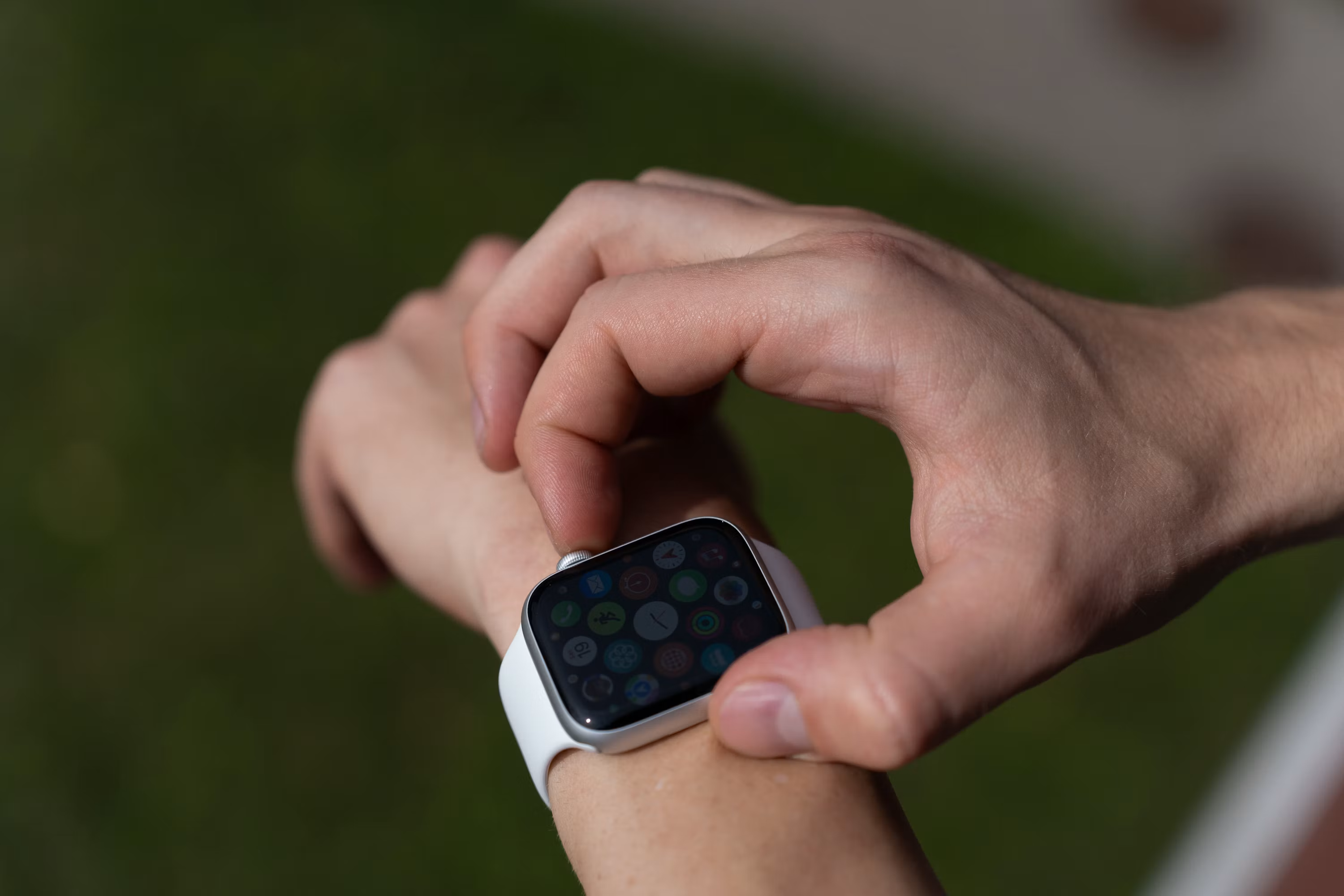
Understanding How Apple Watch 8 Battery Life Performs
Battery life is one of the most important aspects of any smartwatch, and the Apple Watch 8 battery life is engineered to meet the needs of daily users. On a typical day, the watch can comfortably handle notifications, messaging, fitness tracking, and light app usage without running out of power. The integration of the S8 chip with watchOS optimises energy efficiency, ensuring that background processes like health monitoring and GPS tracking consume minimal power. For users who rely heavily on features like the always-on display, continuous heart rate monitoring, or streaming music, the battery will naturally drain faster. Understanding these patterns can help users manage their day more effectively and prevent mid-day charging surprises.
Comparing Apple Watch 8 Battery Life with Series 7
For those deciding whether to upgrade, the Apple Watch 8 battery life vs 7 shows subtle but meaningful improvements. Both models typically offer up to 18 hours of daily usage under normal conditions, but the Apple Watch 8 benefits from improved internal power management and slightly more efficient components. These enhancements allow the device to handle demanding tasks with less energy draw, particularly when using health monitoring features such as sleep tracking or blood oxygen measurements. Users may notice that the watch holds up better during long workouts or extended screen-on periods, offering a small but valuable boost compared to Series 7. These refinements make daily usage smoother, reducing the frequency of urgent charging sessions.
Exploring How Long Battery Life on Apple Watch 8 Lasts in Everyday Use
So how long is battery life on Apple Watch 8 in practical terms? Real-world usage shows that for moderate daily activities, the watch easily lasts from morning until late evening. Activities like receiving calls, checking messages, using maps, and performing occasional workouts are well within its capacity. More intensive usage, such as extended GPS tracking, multiple workout sessions, or frequent app interactions, may require a top-up before the end of the day. Activating low-power mode or reducing screen brightness can extend battery life even further, giving users more flexibility during travel, long workdays, or outdoor activities. By understanding personal usage patterns, most owners can comfortably manage a full day without constant concern about battery depletion.
Strategies to Maximise Battery Performance on Apple Watch 8
There are several effective ways to optimise Apple Watch 8 battery life without compromising on functionality. Users can reduce unnecessary notifications, manage background app refresh, and adjust screen brightness to conserve energy. Low-power mode is particularly useful during extended workouts or travel days when charging opportunities are limited. Regularly updating to the latest watchOS ensures that the latest efficiency improvements are applied. Additionally, being aware of which apps or sensors consume the most power allows users to make informed choices about usage. By implementing these strategies, the watch can consistently deliver reliable performance throughout the day, making it a dependable companion for work, fitness, and personal organisation.
The Future of Battery Technology in Smartwatches
The Apple Watch 8 demonstrates how far smartwatch battery technology has come, balancing high performance with efficient power usage. Looking ahead, future models are likely to integrate even smarter energy management systems, faster charging capabilities, and longer-lasting batteries. These developments will make it possible for users to rely on their devices for extended periods without compromise, enhancing convenience for fitness enthusiasts, professionals, and everyday users alike. As wearable technology continues to evolve, understanding and managing battery life will remain a key factor in choosing the right device.