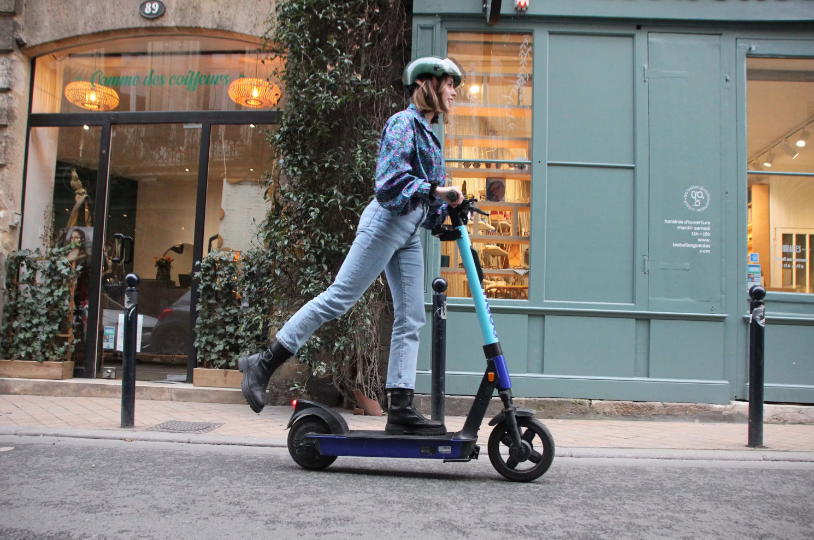
Electric bikes and electric scooters have become increasingly popular in the UK because they offer a convenient way to travel, reduce commuting costs and provide a greener alternative for short journeys. However, concerns about product quality, battery safety and fire risks have also increased. Understanding how these vehicles work, what affects e-bike and scooter quality, and how to maintain them properly can help riders make safer choices.
What Affects E-Bike and Scooter Quality?
Many factors influence the overall performance, reliability and safety of an electric bike or scooter. What affects e-bike and scooter quality? The answer includes battery technology, motor performance, frame construction, electronic components, charging systems and manufacturing standards.
The battery is one of the most important parts because it determines riding range, charging frequency and long-term reliability. A well-designed battery management system can help prevent overheating, overcharging and excessive battery wear. The motor also affects acceleration, climbing ability and energy efficiency, while the frame and braking system influence riding stability and safety.
Weather resistance is another important factor for UK riders. Frequent rain and damp conditions can affect electrical connections, so waterproof protection and proper maintenance are essential for long-term use.
Understanding Electric Scooter and Hoverboard Battery Safety
The electric scooter and hoverboard battery is usually based on lithium-ion technology because it provides high energy density and a lightweight design. However, lithium batteries require careful handling because damage, poor charging habits or low-quality components may increase safety risks.
A battery that becomes unusually hot, swells, produces strange smells or loses power suddenly may indicate a problem. Riders should avoid using damaged batteries and should store electric scooters and hoverboards in dry, ventilated areas away from extreme temperatures.
Battery lifespan also depends on charging habits. Frequent complete discharges, overheating and leaving a battery connected to charging for long periods can reduce performance over time.
Why Are There London E-Bike and E-Scooter Fires?
Reports about london e bike e scooter fires have attracted attention because some incidents have caused serious property damage. These fires are often related to battery failures, damaged battery cells, unsuitable charging equipment or incorrect modifications.
The main concern is not the electric bike or scooter itself, but the condition and quality of the battery system. Lithium-ion batteries contain stored energy, and if a battery cell becomes unstable, it can generate heat rapidly.
Similar concerns appear in reports about uk e bike e scooter blazes. In many cases, investigations focus on battery damage, charging practices and electrical faults rather than normal everyday use.
Why Do Electric Bikes Catch Fire?
Many people ask why do electric bikes catch fire when they appear to be simple transportation devices. The most common reasons involve battery problems rather than the motor or frame.
A lithium battery fire can happen when internal battery cells become damaged and create a short circuit. Other possible causes include using an unsuitable charger, modifying the electrical system incorrectly, physical damage from crashes or using a battery that has reached the end of its useful life.
Regular inspection can reduce risks. Riders should check for unusual heat, damaged cables, charging problems and changes in battery performance.
Electric Scooter Fires UK: Understanding the Risks
The topic of electric scooter fires uk has become a major safety discussion because electric scooters are often stored and charged inside homes. A battery problem can become more dangerous when a scooter is left near furniture, doors or other household items.
The dangers of e scooters are not limited to fire risks. Other concerns include reduced stability compared with bicycles, smaller wheels that can be affected by road conditions, limited visibility at night and potential injuries from falls.
Safe riding habits, correct charging methods and regular maintenance are important ways to reduce these risks.
Electric Bike Fires and Battery Maintenance
Electric bike fires are usually linked to battery-related issues rather than normal riding conditions. A damaged battery pack, faulty charging equipment or poor electrical connections can create dangerous situations.
The e bike charger plays an important role in battery safety. Using the wrong charger may cause incorrect voltage or charging problems, which can damage battery cells. Riders should always make sure their charger matches the battery specifications of their vehicle.
A charger should also be kept away from water and inspected regularly for damaged cables or connectors.
How to Charge an E-Bike Battery Without a Charger?
Many riders search for how to charge e bike battery without charger when they lose their charging equipment. However, charging a battery with unsuitable methods can create serious safety problems.
An e-bike battery requires a charger that provides the correct voltage, current and charging control. Using random adapters, wires or alternative power sources may damage the battery or create overheating risks.
If a charger is unavailable, the safer approach is to find a suitable replacement that matches the battery requirements rather than attempting an improvised charging method.
Are E-Bike Conversion Kits Dangerous?
E-bike conversion kits allow traditional bicycles to be upgraded with electric assistance, but some riders wonder are e bike conversion kits dangerous.
The safety of a conversion kit depends on the quality of the components, installation method and battery choice. Incorrect installation can lead to loose connections, overheating or electrical problems. A poorly fitted motor or battery can also affect bicycle balance and handling.
When converting a bicycle, careful installation and regular checks of electrical connections are important for safe operation.
What Are the Most Common Problems With E-Bikes?
Many owners ask what are the most common problems with e-bikes after using them for a period of time. Common issues include reduced battery range, charging problems, motor faults, brake wear and electrical connection problems.
Battery capacity naturally decreases after many charging cycles. Riders may notice shorter travel distances compared with when the bike was new. Mechanical parts such as brakes, tyres and chains also require regular maintenance because electric bikes are often heavier and faster than traditional bicycles.
Keeping the bike clean, checking tyre pressure and maintaining the battery correctly can improve reliability.
Why Are Electric Bikes OK but Not Scooters?
A common question is why are electric bikes ok but not scooters. The difference is mainly related to design, stability and usage patterns.
Electric bikes usually have larger wheels, a more stable riding position and better control on uneven roads. Riders also typically sit in a position similar to a traditional bicycle, which can make handling easier.
Electric scooters have smaller wheels and a standing riding position, which may make them more sensitive to potholes, wet surfaces and sudden movements. However, both types of vehicles can be safe when they are well maintained and used responsibly.
What Is the Most Common Problem With Electric Scooters?
When people ask what is the most common problem with electric scooters, battery performance is often one of the biggest concerns. Reduced range, charging issues and battery aging are common complaints.
Other problems include tyre damage, brake wear, loose folding mechanisms and electronic controller faults. Because scooters are often used on busy streets and stored in different environments, regular checks are important.
Keeping the scooter dry, avoiding unnecessary impacts and charging correctly can help extend its service life.
How Long Can an E-Bike Last?
Many buyers ask what’s the average lifespan of an e-bike because they want to understand long-term value. In general, an e-bike can last several years with proper care, but the lifespan depends on battery quality, riding frequency, storage conditions and maintenance.
The battery is usually the component that needs attention first because it gradually loses capacity after repeated charging cycles. The motor and frame can often last much longer when they are maintained properly.
Regular servicing, careful charging and replacing worn components when needed can significantly extend the useful life of an electric bike.
How to Make E-Bikes and Scooters Safer for Everyday Use
For UK riders, safe use starts with good charging habits and regular inspections. Batteries should be protected from extreme heat, moisture and physical damage. Charging areas should have good ventilation, and damaged electrical parts should not be ignored.
Riders should also follow basic safety practices, including wearing protective equipment, checking brakes regularly and avoiding modifications that may overload the electrical system.
Electric bikes and scooters can provide reliable and convenient transport when users understand battery safety, choose suitable equipment and maintain their vehicles properly. With better awareness of battery care and common problems, riders can enjoy the benefits of electric mobility while reducing unnecessary risks.