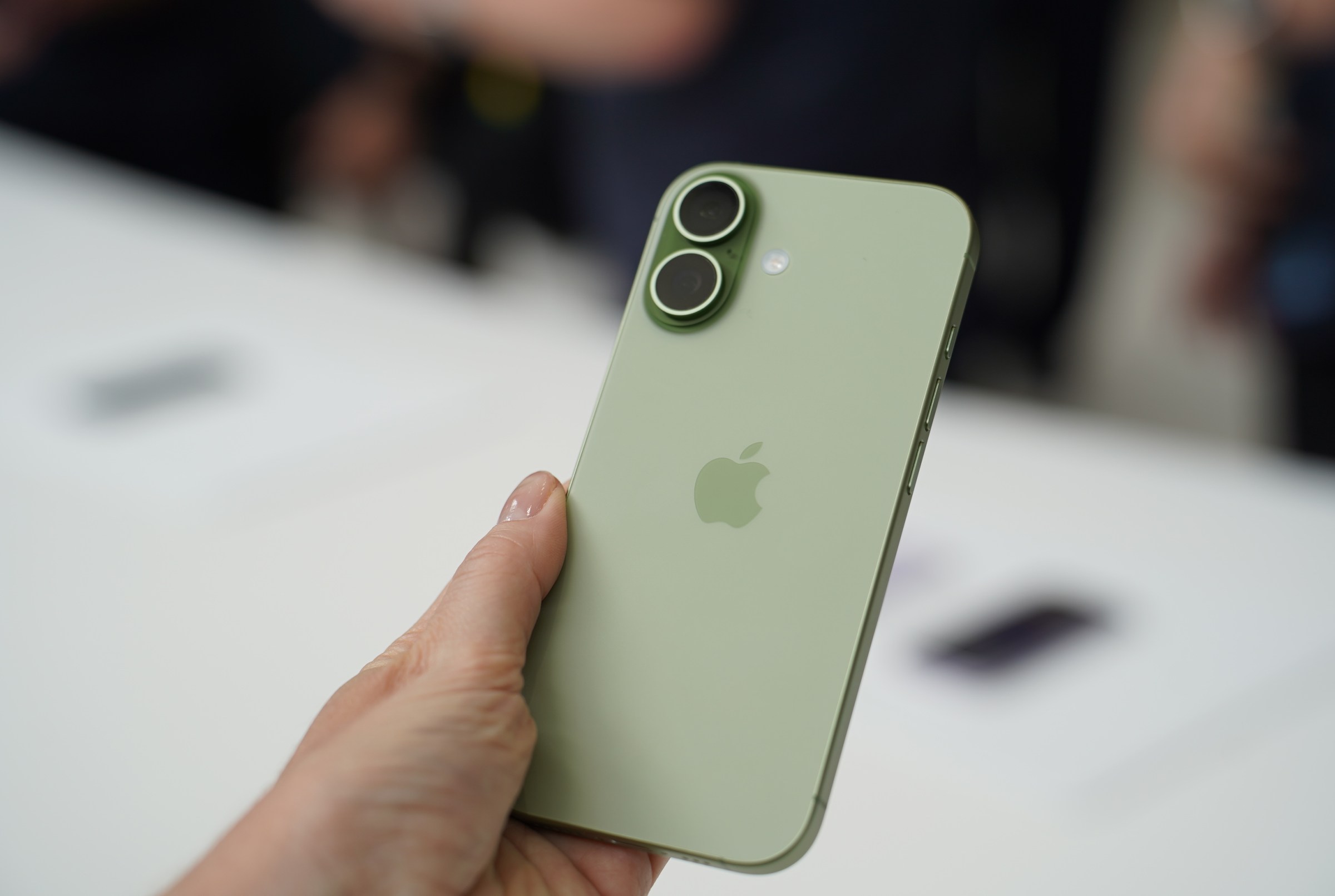
For millions of people across Britain, September has become almost synonymous with one thing in the technology calendar: the arrival of a new iPhone. This year, however, the excitement feels different. Apple is preparing to unveil its latest iPhone generation on 9 September 2026, but the launch comes at a particularly important moment for the company.
Apple is entering a new leadership era, with John Ternus taking over as chief executive after Tim Cook’s long tenure. At the same time, consumers are demanding more from smartphones than faster processors and better cameras. Artificial intelligence, battery life, privacy, repairability and price are becoming just as important as the traditional headline specifications.
For British consumers, the iPhone 18 launch could therefore represent more than another annual upgrade. It could offer a glimpse into how Apple plans to compete in an increasingly AI-driven smartphone market.
A New Chapter for Apple
The first major talking point surrounding this year’s launch is not actually a new camera or display. It is Apple’s leadership transition.
Tim Cook has stepped down as chief executive after 15 years, becoming executive chairman, while John Ternus has taken over as CEO. Ternus previously played a major role in Apple’s hardware development, making his first major iPhone event particularly significant.
That change comes at a fascinating time for Apple.
The company remains one of the world’s most valuable technology businesses, but it faces growing pressure to demonstrate that it can keep pace with the rapid development of artificial intelligence. Rivals have increasingly positioned AI as the centre of the smartphone experience, from writing assistants and image generation to voice interaction and personalised recommendations.
Apple has traditionally preferred to introduce new technology only when it believes the experience is ready. That strategy has helped create a reputation for polished products, but it also means consumers may now expect a much bigger AI story from the iPhone 18 generation.
The September event could therefore become an early test of Ternus’s vision for the company.
Why the UK Market Will Be Watching Closely
Britain is one of Apple’s important European markets, and the iPhone has become deeply embedded in everyday life. From mobile banking and public transport apps to photography, messaging and entertainment, smartphones are no longer simply communication devices.
For many British buyers, the question is no longer whether a new iPhone is technically better. Instead, they want to know whether the improvements are meaningful enough to justify the price.
That question is becoming increasingly important as household budgets remain under pressure.
A premium smartphone can represent a significant purchase, particularly when consumers already own a recent model that still performs well. If Apple raises prices while adding incremental improvements, some customers may decide to keep their existing phones for another year.
This makes the iPhone 18 launch a delicate balancing act.
Apple needs to make the new models exciting enough to encourage upgrades without pushing the price beyond what mainstream British consumers consider reasonable.
AI Could Become the Real Story
The most interesting changes may not be visible from the outside.
Apple has been working to make artificial intelligence a more integrated part of its ecosystem. For iPhone users, the appeal of AI is not necessarily about having a chatbot on the home screen. It is about making everyday tasks faster and more convenient.
Imagine an iPhone that can understand the context of a conversation, organise information from different apps, summarise messages, suggest useful actions and make intelligent recommendations without requiring the user to constantly switch between applications.
That could change how people interact with their phones.
For British consumers, practical AI may be more valuable than flashy demonstrations. Someone travelling through London might want an assistant that understands their journey, messages and calendar. A university student might want help organising research. A small-business owner might use AI to summarise emails or prepare notes between meetings.
The challenge for Apple is turning these possibilities into features that feel natural rather than gimmicky.
Battery Life Could Decide the Upgrade
There is another issue that could quietly determine whether the iPhone 18 becomes a success: endurance.
Consumers may enjoy AI, advanced cameras and brighter displays, but none of those features matter much if the phone constantly needs to be recharged. As smartphones become more powerful, battery management is becoming increasingly important.
This is why the iPhone battery remains a surprisingly important consideration when people decide whether to upgrade.
Apple is expected to make efficiency improvements across its latest hardware, potentially helping users get more from each charge. More efficient processors, displays and connectivity components can reduce energy consumption without necessarily requiring a dramatic increase in physical battery capacity.
For people who spend long days commuting, working remotely or travelling around the UK, even a modest improvement can make a noticeable difference.
Battery performance also affects the long-term ownership experience. A phone that remains dependable throughout a busy day is easier to keep for several years, while declining battery health can eventually become one of the biggest reasons for replacement.
The Camera Race Is Not Over
Photography remains one of the strongest reasons people choose premium smartphones, and the iPhone 18 generation is expected to continue Apple’s focus on camera improvements.
The Pro models are rumoured to receive changes to their camera systems, including a variable-aperture main camera. Such technology could give users greater control over how much light enters the camera and potentially improve both low-light photography and creative effects.
For British users, that could be particularly useful.
The UK’s famously unpredictable weather creates challenging photography conditions. One moment a scene can be brightly lit, while minutes later clouds can dramatically change the available light. A more flexible camera system could help users capture better images in situations where smartphone photography traditionally struggles.
Night-time photography could also benefit.
From London streets and Manchester’s city centre to coastal landscapes in Cornwall and Scotland, Britain’s visual character provides endless opportunities for smartphone photography. Better cameras could turn the iPhone into an even more capable everyday creative tool.
The Foldable iPhone Question
Perhaps the most dramatic possibility surrounding Apple’s September event is the arrival of a foldable iPhone.
A foldable model would represent one of the biggest design changes in the history of Apple’s smartphone line-up. Instead of simply making the existing design faster or thinner, Apple could introduce a completely different form factor.
The reported concept is expected to combine a conventional smartphone experience when closed with a much larger display when opened. That could make the device attractive to consumers who want the portability of a phone but occasionally need a larger screen.
For British commuters, this could be especially interesting.
A foldable phone could provide more space for reading documents, watching videos, checking maps or working on the move without requiring a separate tablet. On crowded trains, the ability to carry one device that changes size could be genuinely useful.
However, premium design usually comes with a premium price.
If Apple’s foldable iPhone launches at a significantly higher price than the conventional Pro models, it could become a niche product rather than the next mainstream iPhone.
Is a Higher Price Becoming a Problem?
Price may ultimately be the biggest obstacle facing the iPhone 18.
Industry reports suggest that Apple’s new high-end models could become more expensive, partly because of rising component costs and the complexity of newer hardware. That creates a difficult situation for consumers.
People want better technology, but they also want value.
The British smartphone market is filled with consumers who compare monthly contracts, trade-in offers and outright prices before making a decision. A £100 or £200 difference can have a meaningful impact on whether someone upgrades immediately or waits.
Apple therefore needs to communicate value clearly.
If the company can demonstrate that the new iPhone offers substantially better performance, longer useful life, improved photography and genuinely useful AI, customers may be willing to pay more.
If the improvements feel incremental, however, consumers may simply keep their current devices.
The Importance of Long-Term Ownership
One trend that could work in Apple’s favour is the growing interest in keeping smartphones for longer.
British consumers are becoming increasingly aware that replacing a phone every year is not always necessary. Software updates can extend the useful life of existing devices, while improvements in repair services and battery replacement can make older phones more practical.
That means the success of the iPhone 18 may not be measured only by launch-week sales.
Apple will also need to convince consumers that the new generation can remain useful for years.
This is where battery health becomes particularly relevant. Even when a processor and display remain perfectly functional, battery degradation can make an otherwise excellent smartphone feel old.
For users planning to keep their next iPhone for three, four or even five years, the long-term performance of the iPhone battery could be just as important as the launch-day specifications.
Privacy Remains a British Concern
AI brings another important issue into the conversation: privacy.
As smartphones become increasingly intelligent, they need access to more information. They may analyse messages, photos, schedules, locations and user habits to provide personalised services.
That creates a difficult balance.
Consumers want convenient AI, but they do not necessarily want every detail of their digital lives processed without clear explanations.
Apple has historically positioned privacy as a major part of its product philosophy. That gives the company an opportunity to distinguish itself from competitors.
If Apple can demonstrate that powerful AI features can operate while protecting personal information, privacy could become a meaningful selling point for British customers.
However, Apple is also facing legal and regulatory scrutiny in the UK over aspects of its digital ecosystem, showing that the company’s relationship with regulators is becoming increasingly important.
Will Existing iPhone Owners Upgrade?
For someone using an older iPhone, the answer may be relatively simple.
A new processor, improved camera system, better display technology and modern AI features could make an upgrade attractive. Owners of much older models may notice a significant difference in everyday performance.
But owners of recent Pro models face a more difficult decision.
If the current phone already delivers excellent photography, fast performance and reliable battery life, the new model needs to offer something genuinely compelling.
This is why Apple’s marketing will matter.
The company will have to explain not just what has changed, but why those changes improve everyday life.
A faster chip is easy to measure. A better smartphone experience is harder to quantify.
What About Battery Replacement?
Another factor often overlooked during major smartphone launches is the growing importance of maintenance.
As consumers keep their devices for longer, battery replacement becomes a practical alternative to buying a completely new phone. A phone with an ageing battery may still have an excellent camera, display and processor.
Replacing the battery can restore much of its original usability.
This is particularly relevant in the UK, where consumers are increasingly interested in reducing electronic waste and getting greater value from expensive devices.
The idea of keeping a smartphone longer also changes how people think about the iPhone battery. Instead of viewing battery capacity as simply a specification listed on a product page, users increasingly see it as part of the phone’s overall lifespan.
That could encourage more consumers to think about battery health before deciding that their phone needs replacing.
A Bigger Test Than a New Phone
The iPhone 18 launch is therefore about much more than another smartphone.
It represents Apple’s first major product moment under John Ternus. It arrives while the company is under pressure to strengthen its AI strategy, while consumers are becoming more careful about technology spending and while regulators are paying closer attention to major digital platforms.
The hardware itself will obviously matter.
Cameras, displays, processors, connectivity and battery efficiency will all influence the buying decision. But the bigger question is whether Apple can make the iPhone feel exciting again.
The smartphone market has matured considerably. The dramatic leaps seen a decade ago are becoming harder to repeat. Today’s customers already have excellent cameras, fast processors, high-quality screens and sophisticated apps in their pockets.
The next generation therefore needs to offer something more meaningful.
What British Consumers Should Watch For
When Apple takes the stage on 9 September, British consumers should look beyond the headline specifications.
Watch how Apple talks about AI. Look at the claimed improvements in efficiency and battery life. Pay attention to camera changes, pricing and the availability of different models in the UK.
Most importantly, consider whether the new features solve real problems.
The best technology is not necessarily the device with the longest specification sheet. It is the device that becomes easier and more enjoyable to use every day.
If Apple can combine powerful AI, meaningful camera improvements, better efficiency and a compelling design while keeping the experience intuitive, the iPhone 18 could become one of the company’s most important launches in years.
But if the price rises too far and the improvements feel too familiar, British consumers may decide that their current iPhone is good enough.
That is the fascinating question heading into September: will Apple’s next iPhone give people a reason to upgrade, or will it give them a reason to keep the phone they already own?
For Apple, the answer could define the beginning of a new era.